Understanding the Image to Prompt Generator Technology
In the rapidly evolving landscape of artificial intelligence, the emergence of tools that bridge the gap between human creativity and machine interpretation has become essential. One of these innovative tools is the image to prompt generator, which transforms visual inputs into textual prompts tailored for AI image generation. This technology allows users to leverage their images’ intricate details and nuances to create stunning AI-generated art, understanding not just the image’s subject, but also its style, tone, and atmosphere.
What is an Image to Prompt Generator?
An image to prompt generator is an advanced AI application designed to analyze and convert images into detailed textual descriptions. This process involves examining various visual elements such as subjects, environments, styles, and moods, and articulating them in a structured format that AI image generators can understand. By providing a comprehensive description, these generators enable creators to easily replicate or modify artistic concepts using AI tools like Midjourney, DALL·E, Stable Diffusion, Flux, and Gemini.
How Image Analysis Enhances Prompt Accuracy
The accuracy of generated prompts directly correlates with the sophistication of the image analysis techniques employed. Machine learning algorithms, particularly those focusing on computer vision, play a critical role in this process. These algorithms dissect visual elements within the image, identifying key components such as color, light, and composition. By leveraging large language models, the system translates these insights into coherent, natural language prompts that align with user expectations and AI capabilities.
Comparative Review of Leading Image to Prompt Tools
In a landscape filled with various image to prompt tools, it is vital for users to understand the strengths and weaknesses of each option. Different tools may excel in unique areas, such as user interface simplicity, prompt accuracy, or the range of AI models they support. Tools that offer the ability to refine prompts post-generation or customize outputs for specific AI models, like Gemini or Flux, often stand out as more effective for users looking to achieve specific artistic outcomes.
How to Effectively Use the Image to Prompt Generator
Step-by-Step Guide to Uploading Images
Using an image to prompt generator is a straightforward process, making it accessible even for those unfamiliar with AI tools. Here’s a simple guide:
- Prepare your image: Ensure your image is in PNG, JPG, or WEBP format, with a size no larger than 4MB.
- Upload the image: Use the drag-and-drop feature or click to select your image from your device.
- Initiate the prompt generation: After uploading, click the “Generate Prompt” button.
- Receive your prompt: Wait for a few moments as the AI processes your image and displays the generated prompt.
Choosing the Right AI Model for Your Needs
Different AI image generators have distinct characteristics and requirements; hence, selecting the right model can significantly enhance the effectiveness of your prompt. It’s essential to consider the specific attributes of models like Midjourney, Stable Diffusion, or Gemini. For example, some models may favor certain descriptive styles or formats, which can affect the final visual output.
Refining Generated Prompts for Optimal Outcomes
After generating a prompt, users should not hesitate to refine it further. This refinement process can involve adjusting the wording for clarity, modifying descriptive elements to align with artistic vision, or simplifying complex ideas into more relatable terms. The goal is to ensure that the final prompt resonates well with the AI generator while maintaining the essence of the original image.
Exploring Prompt Variations for Different AI Models
Structured vs. General Descriptive Prompts
Prompts can be categorized into structured formats and general descriptive formats. Structured prompts provide clear guidelines, often incorporating specific terms that AI models recognize, while general descriptive prompts offer more flexibility and creativity. Understanding when to use each style can optimize results when interacting with different AI systems.
Model-Specific Considerations for Gemini and Others
Model-specific prompts require unique considerations to align with each generator’s capabilities. For instance, while Gemini might respond well to prompts rich in detail and context, others like Flux might benefit from more succinct instructions. Tailoring your prompts to the strengths of each model can result in more impressive and accurate outputs.
Creating Diverse Prompts for Unique Artistic Styles
Creativity thrives in diversity; hence, generating prompts that cater to various artistic styles can enhance creative projects. Experimenting with different descriptive elements, such as mood, color palettes, and themes, allows artists to explore different visual narratives and develop a more robust body of work.
Real-World Applications of Image to Prompt Generators
Case Studies: Artists Leveraging AI for Creativity
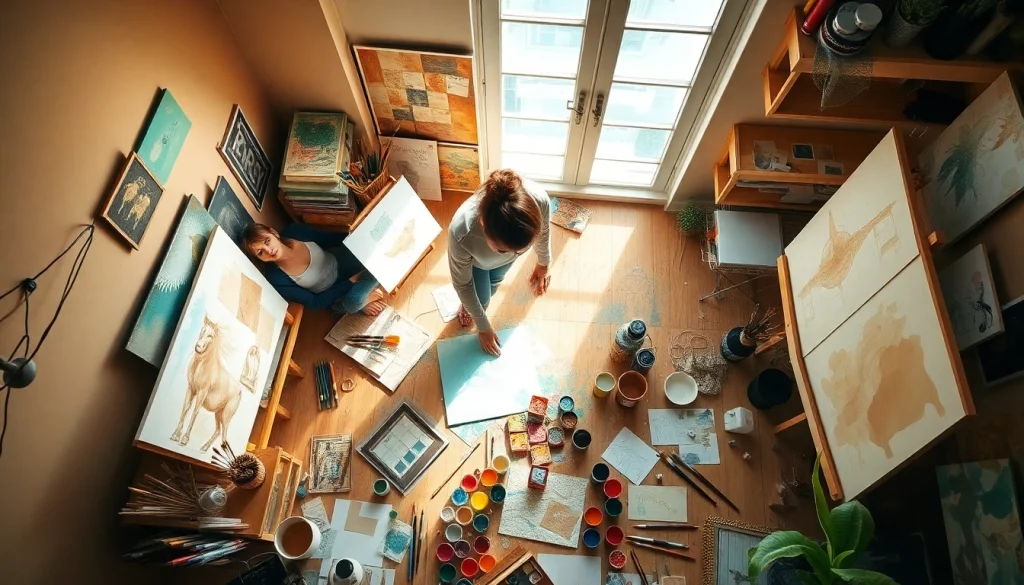
Numerous artists are integrating image to prompt generators into their creative processes. For instance, digital illustrators may utilize generated prompts to enhance their concept art or to kickstart their projects. By providing a detailed foundation, these tools empower artists to focus more on creative execution rather than initial idea generation.
How Image to Prompt Tools Aid in Professional Settings
In professional environments, such as marketing and advertising, image to prompt generators can streamline workflows. Marketers can quickly generate compelling visuals based on existing concepts, ensuring that their campaigns resonate with target audiences. This efficiency not only saves time but also optimizes resource allocation.
Impact on Social Media and Content Creation
As content creation continues to expand, social media influencers and content creators are leveraging image to prompt tools to produce engaging visuals. By transforming images into insightful prompts, creators can craft unique stories and artistic representations, driving audience engagement and enhancing their online presence.
Future Trends in AI and Prompt Generation
Emerging Technologies in Image Recognition
The coming years are likely to see significant advancements in image recognition technologies that will enhance prompt generation. Innovations in neural networks and machine learning are expected to lead to more sophisticated analysis, allowing for improved accuracy and richer contextual outputs.
Predictions for 2026: Advancements in AI Creativity
By 2026, we anticipate that the capabilities of AI in the realm of creativity will be remarkably advanced. Tools like the image to prompt generator will likely become more intuitive, with AI models equipped to generate not only descriptions but also stylistic interpretations that reflect current artistic trends and user preferences.
Ethical Considerations and User Needs in AI Art
As AI tools continue to evolve, ethical considerations regarding copyright, artistic integrity, and user data handling will rise to the forefront. It will be crucial for developers and users alike to navigate these issues thoughtfully, ensuring that the benefits of AI-generated art are balanced with respect for original creators and transparent user practices.