Understanding Sleek Illumination
Definition and Importance
Sleek Illumination refers to a modern approach to lighting design that emphasizes simplicity, elegance, and functionality. In contemporary spaces, lighting plays a crucial role—not just as a source of light, but also as a key component of aesthetic appeal and environmental enhancement. As technology advances, the importance of lighting in architecture and interior design has become increasingly evident, influencing the ambiance, mood, and usability of spaces. By integrating Sleek Illumination into your home or office, you can transform ordinary environments into extraordinary settings that reflect style and comfort.
Key Principles of Lighting Design
Lighting design revolves around several core principles that help create effective and visually pleasing atmospheres. These principles include:
- Functionality: Understanding the purpose of light in a given space is fundamental. From task lighting in a kitchen to ambient light in a living room, the application of light must meet specific user needs.
- Proportions: The scale and ratio of lighting fixtures should align with the dimensions of the room and its existing decor. Oversized lights in a small space can feel overwhelming, while miniature fixtures may seem insubstantial in larger rooms.
- Layering: Effective lighting involves combining multiple sources of light, including ambient, task, and accent lighting, to create depth and interest. Each layer serves a distinct purpose, enhancing both functionality and ambiance.
- Color Temperature: The warmth or coolness of light influences the mood of a space. Warmer hues can create comfort, while cooler tones can evoke clarity and focus.
Benefits of Sleek Illumination
Embracing Sleek Illumination offers a multitude of benefits, both practical and aesthetic. Some key advantages include:
- Enhanced Aesthetics: Modern lighting fixtures are designed with aesthetics in mind, providing elegant designs that complement contemporary decor.
- Improved Functionality: Well-placed lighting can enhance the usability of spaces, making tasks easier to perform and areas more inviting.
- Energy Efficiency: Many sleek light fixtures utilize LED technology, which is both energy-efficient and cost-effective, helping to lower electricity bills while reducing environmental impact.
- Versatility: Sleek illumination can be adapted to various styles and spaces, making it ideal for both residential and commercial applications.
Types of Sleek Illumination Fixtures
Overview of Modern Lighting Options
The market today offers a diverse array of lighting fixtures suited to implement Sleek Illumination effectively. Some popular options include:
- Pendant Lights: These fixtures hang from the ceiling and can serve as both task lighting and decorative elements, making them ideal for kitchens and dining areas.
- LED Strip Lights: Versatile and low-profile, LED strips can be used for both ambient and accent lighting, often installed under cabinets or along shelves.
- Recessed Lighting: Installed flush with the ceiling, recessed lights create a clean, unobtrusive look that enhances the spaciousness of a room.
- Wall Sconces: These fixtures provide a stylish way to introduce soft, ambient light to hallways or accent walls, enhancing visual interest.
- Floor and Table Lamps: Available in various designs, these portable fixtures can create cozy nooks and flexible lighting options in living spaces.
Choosing the Right Fixture
Selecting the appropriate lighting fixture involves considering several factors, including the space’s purpose, size, and existing decor. Here are some tips to guide your decision-making:
- Assess the Space: Determine the size of the area to be illuminated, and select fixtures that complement its dimensions.
- Identify the Function: Understand how the lighting will be used. Task lighting requires focus, while ambient lighting should promote overall mood.
- Consider Style: Reflect on the existing design aesthetic. Opt for fixtures that align with contemporary styles and enhance overall design coherence.
- Evaluate Placement: Think about where fixtures will be installed to maximize their effectiveness—this may require experimentation and adjustment.
The Role of Technology in Lighting
Technology plays a pivotal role in modern lighting solutions. Innovations in smart lighting systems allow users to control the ambiance of their spaces easily. Smart bulbs can be adjusted in brightness and color temperature, and may even be programmed for specific tasks or moods. Integration with home automation systems enables users to control lighting remotely or set schedules, enhancing both convenience and efficiency. This technological evolution enhances the Sleek Illumination experience, providing users with dynamic control over their environments.
Creating Functional Spaces with Sleek Illumination
Lighting for Different Room Types
Each room in a home serves a unique purpose, and the lighting should reflect these varied functions appropriately:
- Kitchen: A well-lit kitchen should have multiple light levels—bright task lighting for cooking areas and softer ambient lights for dining.
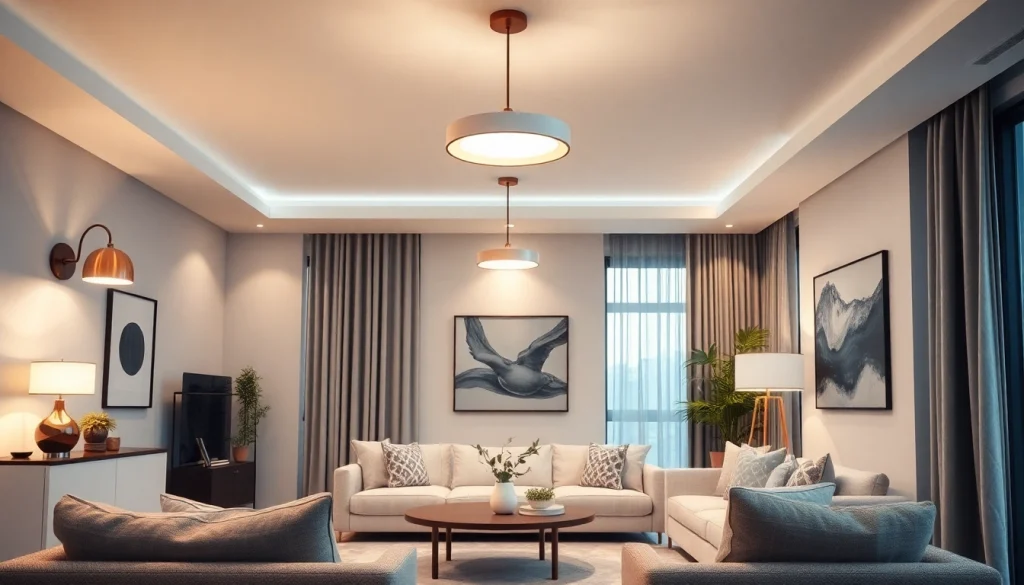
- Living Room: This space benefits from layered lighting, combining recessed lights, lamps, and accent lights to create a warm ambiance.
- Bedroom: Soft, warm lighting is essential for bedrooms, often complemented by bedside lamps for reading.
- Home Office: Task lights should be implemented to enhance focus, with consideration to minimize glare on screens.
Layering Light for Depth
Layering light is a fundamental aspect of creating visually interesting and functional spaces. By integrating ambient, task, and accent lighting, you can achieve a balanced and inviting atmosphere. Ambient lighting provides overall illumination, while task lighting focuses on functionality, and accent lighting adds drama or highlights features of interest. Aim for a combination that supports the room’s purpose and adds depth to the visual appeal.
Maximizing Natural Light
Embracing natural light is a vital consideration in any lighting design. Natural light not only enhances the aesthetic quality of a space but also promotes well-being. Ways to maximize natural light include:
- Use Reflective Surfaces: Mirrors, glass, and light-colored furnishings can help bounce natural light around a room.
- Choose Sheer Window Treatments: Sheer curtains allow light to enter while providing some privacy.
- Clear Obstructions: Ensure that foliage or structures outside don’t block windows, maximizing incoming light.
Incorporating Sleek Illumination into Interior Design
Aligning Lighting with Decor
Integrating sleek lighting solutions into interior design requires thoughtful alignment with the overall decor style. Lighting fixtures should complement color palettes, textures, and existing furnishings to create a cohesive look. This alignment ensures that lighting becomes a harmonious part of the overall design, rather than an afterthought. When selecting fixtures, consider shape, color, and material to achieve this synergy.
Using Color Temperature Effectively
The color temperature of lighting significantly impacts a room’s ambiance and functionality. Light is generally measured in Kelvins (K), with lower temperatures (2700K-3000K) providing warm, cozy light, ideal for living areas and bedrooms. Mid-range temperatures (3500K-4100K) offer a neutral feel suitable for kitchens and workspaces, while cool white lights (5000K-6500K) can create bright, alert environments, perfect for offices or task-oriented spaces. Understanding the application of color temperatures helps set the right mood in each area.
Trends in Sleek Illumination Design
The landscape of illumination design is always evolving, driven by creativity and technological advancements. Current trends in Sleek Illumination include:
- Sustainable Lighting: There is a growing shift toward eco-friendly lighting solutions, including the use of renewable materials and energy-efficient technologies.
- Minimalist Designs: Simple and clean designs that do not overwhelm a space are increasingly popular, resonating with modern aesthetics.
- Smart Lighting: Home automation systems that allow for customizable lighting setups are becoming a staple in contemporary interiors.
Maintenance and Sustainability in Lighting
Energy Efficiency and Cost Savings
Maintaining energy-efficient lighting is both a sustainable choice and a smart financial decision. LED lighting options consume significantly less energy than traditional bulbs, resulting in reduced electricity bills. Additionally, they have longer lifespans, which minimizes replacement costs. Establishing energy-efficient lighting systems can lead to substantial savings while helping reduce your carbon footprint.
Upgrading to Sustainable Options
Transitioning to sustainable lighting solutions is more accessible than ever. Consider options such as LED fixtures, which are designed to be energy-efficient and environmentally friendly. Explore brands that emphasize sustainability in their manufacturing processes, focusing on the use of recyclable materials. Making informed choices in lighting can result in substantial ecological benefits and elevate overall quality.
Tips for Long-Lasting Lighting Fixtures
To ensure that your lighting fixtures last as long as possible, implement the following maintenance tips:
- Regular Cleaning: Dusting and cleaning fixtures improves their performance and appearance, preventing build-up that can affect efficiency.
- Check for Damage: Periodically inspect cables, mounts, and bulbs for wear or damage to prevent further issues.
- Use Appropriate Bulbs: Ensure you are using the correct wattage and type of bulbs for your fixtures to avoid damage and maximize longevity.
Frequently Asked Questions
1. What is Sleek Illumination?
Sleek Illumination refers to a modern lighting design that emphasizes simplicity and elegance while enhancing functionality in various spaces.
2. How do I choose the right lighting fixture?
Consider the room’s purpose, size, existing decor, and how you plan to use the lighting to select the most suitable fixture.
3. What are the benefits of LED lighting?
LED lighting is energy-efficient, long-lasting, cost-effective, and available in a variety of aesthetic designs suitable for any space.
4. How can I maximize natural light in my home?
Use reflective surfaces, sheer window treatments, and ensure no obstructions block windows to maximize natural light effectively.
5. What are the key trends in lighting design?
Current trends include sustainable lighting options, minimalist designs, and smart lighting systems that enhance user convenience and energy efficiency.