The Essence of Education: Understanding Its Core Principles
Defining Education and Its Importance
Education is a multifaceted concept that transcends mere knowledge acquisition; it encapsulates the enhancement of critical thinking skills, personal growth, and social responsibility. The primary role of education is to empower individuals to navigate and contribute positively to society. This empowerment starts from early childhood and extends through formal schooling and lifelong learning. The significance of Education lies in its ability to shape informed citizens who can approach challenges pragmatically and engage with the world constructively.
Moreover, education influences economic development, reduces inequalities, and fosters social cohesion. By providing individuals with the skills and knowledge necessary to secure employment, education enhances quality of life and economic stability for families and communities. As societies evolve, so do the methods and philosophies underpinning education, making it essential for the education system to adapt in order to meet contemporary needs.
The Different Types of Education
Education can be categorized into several distinct types, each serving specific purposes and populations. The primary types include:
- Formal Education: Structured education that takes place in educational institutions. It follows a scheduled curriculum and leads to certification or degrees.
- Informal Education: Learning that occurs outside traditional classrooms, often through daily life experiences, self-directed learning, and community engagements.
- Non-Formal Education: Organized educational activities that happen outside the formal education system. This can include adult education, vocational training, and programs targeted at marginalized populations.
- Vocational Education: Focused on practical and specific skills for particular trades or professions, preparing individuals for the labor market.
Understanding these types allows educators and policymakers to address the diverse needs of learners and ensure accessibility to educational opportunities for all.
Key Objectives of Effective Education
Effective education not only imparts knowledge but also aims to cultivate critical thinking, creativity, and problem-solving skills. Key objectives include:
- Knowledge Transmission: Educators aim to impart essential knowledge across various disciplines.
- Skill Development: Education should equip students with practical skills applicable in real-world scenarios, enriching their career prospects.
- Character Building: Education also seeks to instill values such as empathy, respect, and resilience, contributing to the holistic development of individuals.
- Socialization: Through education, individuals learn to navigate social norms, cultures, and relationships, promoting healthy community living.
By emphasizing these objectives, education can foster well-rounded individuals who contribute positively to society.
Innovative Approaches: Enhancing Engagement in Education
Integrating Technology into the Classroom
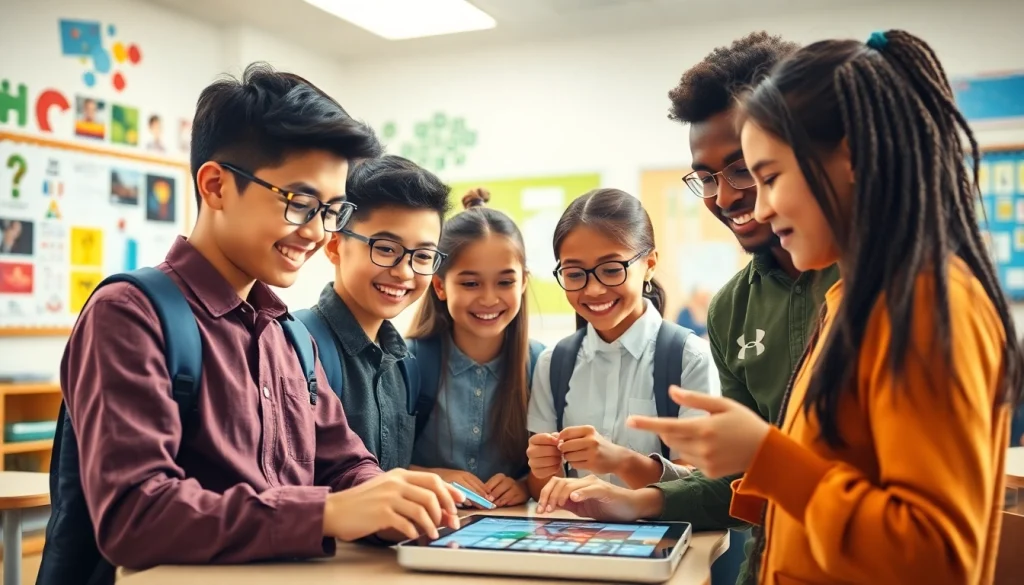
The rapid advancement of technology has revolutionized education, shifting traditional methodologies toward more interactive and engaging experiences. Integrating technology into the classroom can include the use of smart boards, educational software, online resources, and interactive mobile applications.
Classroom technology can enhance learning by catering to various learning styles, facilitating collaborative projects, and providing instant access to information. For example, students can engage in gamified learning or virtual simulations that cultivate immersive experiences. Furthermore, platforms that support online learning significantly expand educational reach, allowing learners from remote areas to access quality content and resources.
Project-Based Learning and Its Benefits
Project-Based Learning (PBL) is an instructional strategy that emphasizes active exploration and inquiry-based learning processes. In PBL, students work on real-world projects that require research, collaboration, and problem-solving. This approach enhances engagement and retention, as students can see the tangible results of their efforts.
Research indicates that students involved in PBL develop critical skills such as collaboration, communication, and self-management. By pursuing interests relevant to their lives and communities, they become more motivated and engaged learners. For instance, a science class might explore environmental issues by initiating a community garden project, thereby integrating lessons from biology, ecology, and social studies.
Customized Learning Strategies for Diverse Learners
Recognizing that each learner is unique is fundamental to educational success. Customizing learning strategies ensures that diverse learning needs are met. This may involve differentiated instruction, personalized targets, or tailored resources that align with students’ interests and capabilities.
One effective method is formative assessment, which allows educators to regularly assess students’ understanding and adapt their teaching methods accordingly. Additionally, utilizing assistive technologies can support learners with disabilities, providing them with equitable access to educational opportunities. Through these strategies, all students, regardless of their starting point, can thrive in an adaptive learning environment.
Challenges in Education: Barriers to Effective Learning
Identifying Common Obstacles in the Education System
Despite the positive advancements in educational practices, various challenges persist that impede effective learning. Some of the most common obstacles include:
- Lack of Resources: Many schools face inadequate funding, leading to shortages in materials, technology, and qualified staff.
- Standardized Testing Pressure: The strong focus on standardized tests can narrow the curriculum and stifle creativity and critical thinking in students.
- Socioeconomic Barriers: Students from low-income backgrounds may face additional challenges, such as food insecurity and limited access to educational support.
- Teacher Burnout: High-stress workloads and a lack of support can lead to teacher burnout, affecting the quality of instruction.
Addressing these challenges is vital to ensuring equal educational opportunities for all students.
Addressing Equity and Access in Education
Equity in education ensures that every student has access to quality resources and support, regardless of their background or circumstances. Implementing policies that prioritize underfunded schools, promoting inclusive practices, and allocating additional support for disadvantaged students can help bridge gaps in educational access.
Initiatives such as community partnerships and mentorship programs can also enhance support systems, fostering a sense of belonging and acceptance. By actively working toward equity in education, we create environments where all learners can thrive and achieve their fullest potential.
Combating Student Disengagement
Student disengagement poses a significant threat to educational outcomes. Factors such as unchallenging curriculum, lack of relevance to students’ lives, or personal challenges can contribute to a lack of motivation. Addressing disengagement requires educators to foster a stimulating learning environment that encourages active participation.
Using strategies such as incorporating student interests into lessons, offering choices in assignments, and fostering peer collaboration can enhance engagement. Additionally, personalized check-ins with students to discuss their feelings towards learning can help educators identify issues early and adapt accordingly.
The Role of Educators: Shaping Future Generations
Essential Qualities of Effective Educators
Effective educators possess several key qualities that contribute to their success in the classroom. These include:
- Passion for Teaching: A genuine enthusiasm for teaching inspires students and fosters a positive classroom environment.
- Adaptability: The ability to adjust strategies based on students’ needs and emerging challenges is crucial in today’s dynamic educational landscape.
- Communication Skills: Clear and effective communication fosters understanding and encourages collaboration among students.
- Empathy: Understanding diverse perspectives and challenges facilitates stronger connections between educators and students.
By embodying these qualities, educators can profoundly influence their students’ academic journeys and personal development.
Professional Development for Educators
Continuous professional development is essential for educators to stay informed of best practices, emerging technologies, and educational trends. Opportunities for professional growth can include attending workshops, participating in peer collaborations, pursuing higher education, or engaging with educational organizations.
Encouraging a culture of lifelong learning among educators not only enhances their teaching but also demonstrates to students the importance of self-improvement and adaptability. Ultimately, well-supported educators are better equipped to meet their students’ diverse needs.
Building Relationships with Students
Establishing strong relationships with students is fundamental for effective learning. When students feel valued and understood, they are more likely to engage with the material and contribute to classroom dynamics. Techniques for building strong educator-student relationships include:
- Active Listening: Taking the time to listen to students’ concerns, ideas, and feedback fosters a supportive environment.
- Encouragement: Recognizing achievements and efforts, regardless of their size, boosts students’ confidence and motivation.
- Accountability: Holding students accountable while providing moral support helps them understand the significance of responsibility.
Long-lasting bonds between educators and students promote an atmosphere conducive to exploration and learning.
Measuring Success: Evaluating Educational Outcomes
Standardized Testing and Its Impact on Education
Standardized testing has become a predominant method for assessing educational success. While these tests provide a means of measuring achievement across students, they often face criticism for oversimplifying educational quality and reinforcing inequities.
Critics argue that an overemphasis on standardized tests may limit the curriculum to test-related material and place undue pressure on both students and educators. Instead, a more nuanced approach to evaluate educational outcomes would involve a combination of assessments, including formative, summative, and authentic evaluations that reflect a broader spectrum of student abilities.
Alternative Assessment Methods in Education
Alternative assessment methods present tangible ways to evaluate student learning beyond standardized tests. Techniques such as portfolio assessments, project-based evaluations, performance-based assessments, and peer evaluations allow students to demonstrate their understanding and mastery of subject matter in diverse and meaningful ways.
These methods enable educators to gauge students’ abilities holistically, encouraging creativity and fostering a deeper understanding of concepts while providing opportunities for reflection and growth.
Continuous Improvement and Feedback Mechanisms
Continuous improvement in educational practices relies on effective feedback mechanisms that allow educators to assess their teaching methods, curriculum effectiveness, and student engagement. Regularly soliciting input from students, parents, and peers ensures that the educational experience remains dynamic and evolving.
Instituting feedback channels can include surveys, classroom observations, self-reflections, and focus groups. By embracing a cycle of assessment and feedback, educators develop the capacity for continual improvement, enhancing the quality and relevance of education for every learner.