
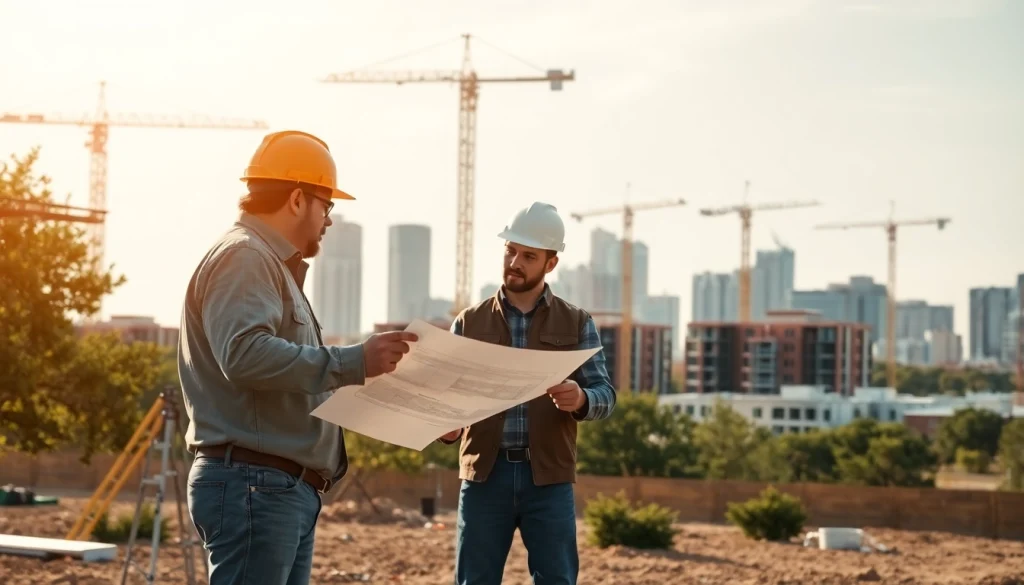
Understanding the Austin Construction Landscape
With a burgeoning population and a vibrant economy, the Austin construction industry is experiencing significant growth and innovation. As more developers, architects, and contractors enter the market, understanding the construction landscape in this Texas capital becomes crucial for stakeholders, from homeowners to large-scale developers and investors.
The Rise of Construction Projects in Austin
Austin’s skyline is evolving rapidly, characterized by the emergence of both residential and commercial projects. Over the past decade, the city has captured attention for its eclectic blend of culture, technology, and a robust job market, prompting an influx of new residents and businesses. Reports indicate that the construction sector in Austin has outpaced national growth averages, with residential construction alone seeing a year-over-year increase of 10% in new home permits issued.
This uptick in construction has been fueled by numerous factors, including a favorable business climate, investment in infrastructure, and proximity to several key tech hubs. For instance, the development of tech campuses, educational institutions, and shopping centers has stimulated additional residential projects, creating a cascading effect across various sectors within the construction landscape.
Key Players in the Austin Construction Market
The Austin construction market is dominated by several key players, including both large contracting firms and skilled local businesses. Notable companies include Turner Construction, Austin Commercial, and SpawGlass, all of which have established a robust presence through significant projects across the region.
Additionally, there are numerous smaller contractors who play a crucial role in the market, specializing in niches ranging from green building to custom home design. These players contribute to a dynamic marketplace that encourages competition and innovation, often leading to improved building techniques and customer-centric projects.
Trends Shaping Austin Construction
Several trends are presently shaping the Austin construction scene. Firstly, the demand for sustainable building practices is surging, driven by both consumer preferences and regulatory mandates aimed at reducing carbon footprints. The use of eco-friendly materials and energy-efficient designs is becoming standard practice, appealing to a more environmentally conscious buyer demographic.
Secondly, the integration of smart technologies into residential and commercial structures is becoming increasingly prominent. Automated systems that control lighting, security, and HVAC are now common in new builds, enhancing efficiency and comfort for occupants. Finally, the trend towards mixed-use developments is gaining traction, allowing for more integrated community living that combines residential, retail, and recreational spaces.
Navigating Local Regulations and Permits
For anyone looking to undertake construction in Austin, understanding local regulations and securing the necessary permits is paramount. The process can be daunting, yet compliance is critical to the success of any project.
Essential Construction Permits in Austin
Construction permits in Austin vary based on the type and scope of the project. Common permits required typically include a building permit, electrical permit, plumbing permit, and mechanical permit. Each permit serves a specific purpose, ensuring that construction adheres to safety standards and local building codes.
Before beginning any construction project, it is essential for developers and contractors to consult the City of Austin’s Development Services Department to determine the exact permits required. Delays from improper permit acquisition can be costly and hinder project timelines.
Compliance Requirements for Austin Construction
Compliance requirements extend beyond simply obtaining permits. Builders must adhere to various local, state, and federal regulations, including zoning laws, safety codes, and environmental impact assessments. The City of Austin has specific rules regarding building heights, setbacks, and land usage that must be strictly followed.
Additionally, contractors must ensure they comply with health and safety standards to protect workers on the site. Regular inspections by the relevant authorities help to safeguard against non-compliance, adding an extra layer of accountability in the construction process.
Best Practices for Working with Local Authorities
Establishing a positive working relationship with local authorities can facilitate smoother navigation through the regulatory landscape. Engaging in early discussions about project plans and requirements can provide valuable insights that may streamline the permitting process. Open communication and willingness to address any concerns from local officials can also foster goodwill and lead to quicker approvals.
Furthermore, hiring a local consultant familiar with Austin’s regulatory environment can help contractors avoid common pitfalls and ensure compliance at every project stage.
Choosing the Right Contractors for Your Project
Selecting the right contractor is one of the most critical decisions in the construction process. Given the complexity of construction projects, the right contractor can ensure that projects are completed on time, within budget, and to high-quality standards.
What to Look for in an Austin Construction Contractor
When evaluating potential contractors, it is vital to consider their experience, expertise, and specific knowledge of the Austin market. Look for contractors with a proven track record of similar projects and inquire about their licensing and insurance to ensure they meet all legal requirements.
Additionally, contractors should be well-versed in local building codes and regulations, as mentioned earlier. Their familiarity with the sites and the local labor market can also be advantageous for project execution.
Evaluating Contractor Portfolios and Reviews
Before finalizing a contractor, it is essential to review their portfolios, which showcase their past projects. Pay particular attention to project types, styles, and quality of work, and consider reaching out to past clients for references. Client testimonials and reviews can provide invaluable insight into the contractor’s reliability, professionalism, and ability to meet deadlines.
Online platforms and local construction forums are also excellent sources for discovering independent reviews that offer perspectives from a wider audience. It’s wise to evaluate not just the successes of past projects, but also how the contractor managed challenges and conflicts during construction.
Cost Factors in Hiring Contractors
Understanding the various factors that influence contractor costs can also assist in making informed decisions. Key cost determinants include labor rates, project complexity, material choices, and the contractor’s level of experience. It is essential to request detailed estimates from multiple contractors to help gauge pricing and ensure transparency.
Be wary of bids that are significantly lower than the competition, as they may compromise quality or include hidden costs. A thorough evaluation of estimates alongside a contractor’s qualifications can lead to the best overall value.
Innovative Techniques in Austin Construction
The Austin construction industry is at the forefront of innovation, constantly adapting to new technologies and sustainable practices that redefine how buildings are constructed and operated.
Sustainable Construction Practices
The emphasis on sustainability has given rise to advanced construction techniques that aim to minimize environmental impacts. Many contractors in Austin are now using recycled materials, optimizing site management to reduce waste, and implementing water-saving technologies.
In addition, projects like LEED-certified buildings demonstrate a commitment to sustainability by complying with rigorous environmental standards. The shift toward renewable energy sources, such as solar panels, further enhances the sustainability of new constructions.
Technological Advancements in Construction
Technology has revolutionized the construction industry, bringing about notable improvements in project management, design, and execution. Building Information Modeling (BIM) has emerged as a vital tool that allows contractors and architects to create comprehensive digital representations of buildings, improving collaboration and reducing costly errors.
Moreover, advancements in prefabrication techniques and 3D printing are simplifying complex construction processes, reducing labor costs, and expediting timelines. The adoption of drones for site surveys and inspections is also becoming more common, allowing for real-time data collection and site management.
Future Trends in Austin Building Technologies
As the Austin construction environment continues to evolve, trends such as modular building and smart construction are gaining traction. Modular building allows for sections of a structure to be prefabricated off-site, which can significantly reduce build times and costs, while smart construction integrates IoT devices to monitor and manage building systems for enhanced efficiency.
The increasing integration of artificial intelligence in project planning and risk management also promises to reshape the industry. As these technologies further develop, they will likely lead to greater efficiency, lower construction costs, and enhanced sustainability in the Austin construction landscape.
Measuring Success in Austin Construction Projects
Defining and measuring success in construction projects is paramount for ensuring that projects meet their intended purposes while providing value to stakeholders. Establishing key performance indicators (KPIs) and evaluation techniques during and after construction creates a roadmap for continuous improvement.
Key Performance Indicators for Construction Success
Key performance indicators vary but generally include metrics related to time, cost, quality, safety, and customer satisfaction. Timely completion within budget is often the most critical measure of success. Additionally, monitoring adherence to quality standards and safety protocols can provide insight into the effectiveness of project management workflows.
Ultimately, stakeholder satisfaction is a vital KPI, gauging how well the final product meets the needs and expectations of users and investors.
Post-Construction Evaluation Techniques
After the completion of a project, conducting thorough evaluations can highlight areas for improvement and validate best practices. Techniques such as gathering stakeholder feedback, conducting walk-through inspections, and implementing performance audits can help in assessing the project’s success.
Additionally, leveraging data analytics post-construction to evaluate project performance can provide insights into efficiency, cost-effectiveness, and overall satisfaction levels, guiding future projects.
Case Studies of Successful Austin Construction Projects
Examining successful construction case studies within Austin demonstrates diverse strategies and approaches that lead to robust results. Projects like the Texas State Capitol renovation showcase effective management of historical preservation and modern functionality.
More residential-focused, the Mueller community exemplifies how innovative planning, sustainable development, and vibrant public spaces can create a thriving neighborhood, thus serving as a model for future developments across the city.
Each of these case studies underscores the importance of effective planning, community engagement, and adherence to local regulations in achieving successful construction outcomes in Austin.