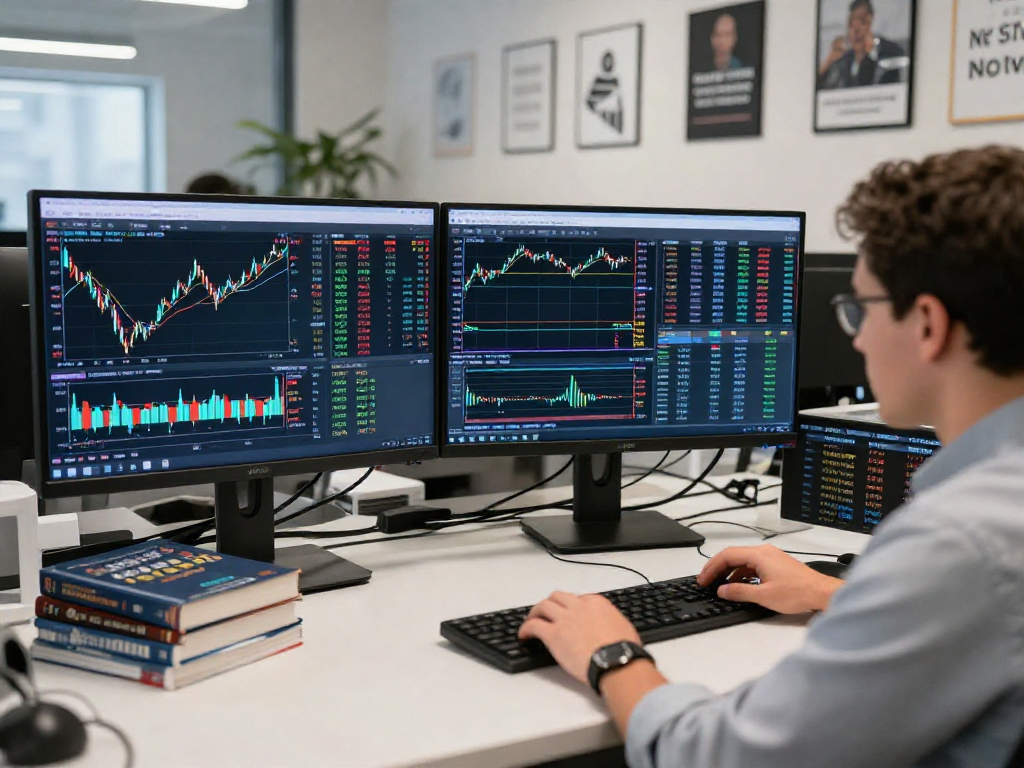
Understanding the German Algo Trading Stock API
In the rapidly evolving world of finance, the need for precise and timely data is paramount, especially for algo trading. The German algo trading stock API offers developers and financial institutions the ability to access real-time and historical market data from over 50 global exchanges. This capability empowers users to design sophisticated trading strategies and leverage algorithmic trading to optimize decision-making processes.
What is an Algorithmic Trading API?
An Algorithmic Trading API (Application Programming Interface) is a set of protocols and tools that allow traders to program their trading strategies and access market data programmatically. These APIs serve as a bridge between trading systems and the financial markets, enabling users to execute trades and retrieve market information automatically. The API can provide various functionalities ranging from real-time market data, end-of-day data, historical trends, and even order execution capabilities.
Key Features of German Algo Trading APIs
The most effective German algo trading APIs come equipped with several key features, which include:
- Real-Time Data: Access to live market data is crucial for executing trades based on current market conditions.
- Historical Data Access: Historical feeds allow traders to backtest strategies and analyze past performance.
- WebSocket & RESTful API Support: Flexible integration options to suit different programming environments and preferences.
- Comprehensive Market Coverage: Access to data from over 50 exchanges ensures a broad view of global markets.
- Scalability: Designed to handle high-frequency trades and large volumes of data seamlessly.
Benefits for Developers and Financial Institutions
Utilizing a robust German algo trading stock API provides numerous benefits. Developers can create powerful trading applications that automate processes, reduce human error, and enhance efficiency. Financial institutions can leverage these APIs to design comprehensive risk management frameworks and improve their trading strategies through data analytics. Moreover, the real-time delivery of data ensures that both developers and institutions can act quickly, providing a competitive edge in the fast-paced financial markets.
Common Mistakes in Using Trading APIs
Despite the advantages of trading APIs, users often encounter pitfalls that can jeopardize their trading strategies. Understanding these common mistakes is crucial to maximizing the potential of the German algo trading stock API and harnessing the full power of algorithmic trading.
Neglecting Real-Time Data Dependency
One of the most critical aspects to consider is the reliance on real-time data. Neglecting to account for latencies and delays in data delivery can lead to missed trading opportunities or incorrect trade execution. Traders must ensure their systems are capable of handling real-time data efficiently to maintain accuracy in their trading strategies.
Ignoring API Documentation Best Practices
API documentation is an invaluable resource that outlines usage guidelines, best practices, and common troubleshooting tips. Ignoring this resource can lead to inefficient code, unexpected errors, and ultimately a poorly performing trading strategy. Engaging with the documentation can greatly enhance the integration process and troubleshooting capabilities.
Overlooking Scalability and Performance Metrics
As trading volumes increase, the demands on the API can escalate. Failing to consider scalability can lead to performance degradation during critical trading periods. It is essential to monitor performance metrics diligently to ensure that the system remains responsive, particularly under high data loads or during volatile market conditions.
Best Practices for Effectively Implementing Trading APIs
To fully leverage the capabilities of a trading API, certain best practices should be adhered to. This ensures the development of reliable and efficient trading algorithms.
Integrating Historical Data for Backtesting
Backtesting is a fundamental process that allows traders to test their strategies against historical data before implementing them live. By utilizing a German algo trading stock API, traders can access extensive historical datasets that enable them to fine-tune their algorithms for optimal performance.
Ensuring Data Security and Compliance
Financial data is sensitive and must be treated with the utmost security. Developers should implement the latest security protocols and ensure compliance with relevant regulations, such as GDPR and others, when working with trading APIs. This not only protects user data but also enhances the credibility of the trading application.
Optimizing API Call Efficiency
Efficiency in API calls can significantly impact the performance of trading applications. Reducing the frequency of calls while maximizing the data retrieved in each call can help in conserving bandwidth and processing power. Utilizing batch requests and caching strategies can contribute to enhanced efficiency.
Real-World Applications of Algo Trading APIs
Understanding the practical applications of algorithmic trading APIs can provide insights into their capabilities and potential. Here are a few real-world scenarios where these APIs are utilized.
Case Study: Successful Integration by a Leading Fintech
A prominent fintech company recently integrated a German algo trading stock API to enhance its trading capabilities. By automating trade executions based on algorithmic signals derived from real-time data, the firm reported a 30% increase in trading efficiency and a substantial reduction in operational risks. This successful implementation showcases the transformative potential of algorithmic trading.
Comparative Analysis: Different Trading Platforms
While numerous trading platforms utilize APIs, the efficiency and effectiveness of these APIs can vary widely. A comparative analysis of various platforms can highlight strengths such as speed, data accuracy, and ease of integration. Traders should conduct thorough evaluations to determine the best fit for their trading needs.
Innovative Strategies Leveraging API Data
Traders are increasingly employing innovative strategies built on API data. From machine learning models that predict market trends to high-frequency trading algorithms that capitalize on minute price movements, the possibilities are extensive. These strategies require a firm understanding of both the API's capabilities and the underlying financial instruments.
Future Trends in Algo Trading APIs for 2026
The landscape of algo trading is set to undergo significant transformations by 2026, influenced by advancements in technology and evolving market dynamics.
Impact of AI and Machine Learning on Trading Strategies
AI and machine learning are becoming integral components of trading strategies, providing unprecedented analytical capabilities. Algorithms are increasingly being designed to learn from historical and real-time data, allowing for more adaptive and predictive trading techniques.
Predictions for Market Dynamics and API Development
As markets continue to evolve, API development must also keep pace. Future APIs may provide more granular data, enhanced analytics capabilities, and improved support for emerging asset classes, including cryptocurrencies and other digital assets.
Emerging Technologies in Financial Data Delivery
The incorporation of blockchain technology and decentralized finance (DeFi) principles in trading APIs could further enhance data transparency and security. These emerging technologies promise to reshape the financial landscape by enabling more direct and efficient access to market data.
What is the best way to start using a trading API?
Starting with a trading API involves selecting a reliable provider, understanding the documentation, and integrating the API into your trading environment.
How can I optimize my algorithm for better performance?
Performance optimization can be achieved by refining your code, reducing API calls, and implementing caching strategies to minimize latency in decision-making.
What common errors should I avoid with trading APIs?
Avoid neglecting documentation, underestimating the importance of real-time data, and failing to consider scalability as trading volumes increase.
How does a real-time API enhance trading strategies?
Real-time APIs deliver market data instantly, enabling traders to execute strategies based on current market conditions, thus increasing adaptability and potential profitability.
What future innovations should I be aware of in trading?
Stay informed about AI-driven trading algorithms, advancements in blockchain and DeFi, and the potential integration of quantum computing into financial modeling.