
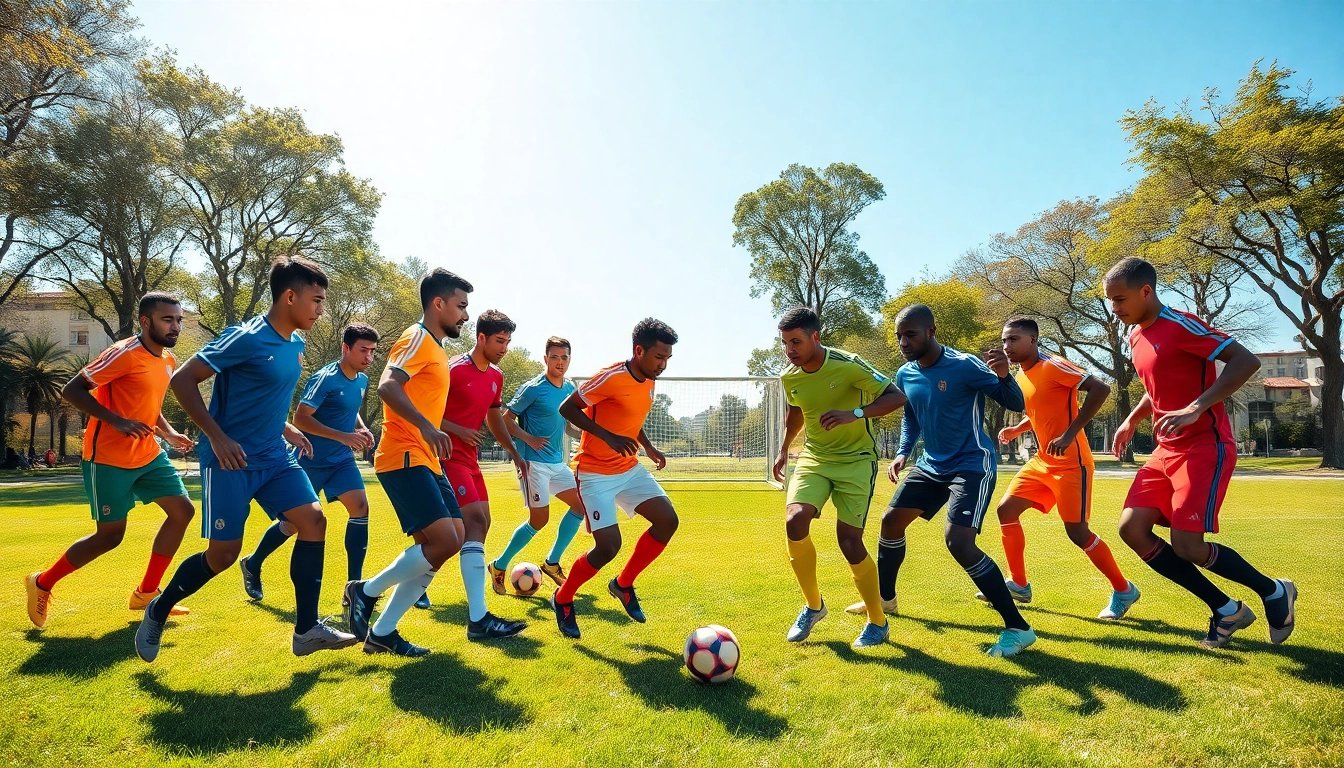
Understanding the Importance of Team Kit
Defining Team Kit and Its Purpose
A Team kit is the ensemble of clothing and equipment worn by a sports team during games and practice sessions. Typically, it includes jerseys, shorts, socks, and other key accessories suited to the specific sport the team is engaged in. The design and quality of a team kit reflect not only the team's branding and identity but also significantly impact the players' comfort and performance on the field. Essentially, a well-crafted team kit goes beyond mere aesthetics; it plays a vital role in fostering a sense of unity and pride among team members.
Key Benefits of a Well-Designed Team Kit
Investing in a high-quality team kit yields numerous benefits:
- Enhanced Performance: Properly designed and fitted kits made from specialized fabrics ensure breathability and wicking properties, essential for athletes during intense gameplay.
- Team Unity: A uniform team kit fosters a sense of belonging and camaraderie among players, which is crucial for team morale.
- Brand Exposure: A well-branded kit can enhance visibility and recognition, especially during matches, leading to potential sponsorship opportunities.
- Safety: Many teams incorporate protective gear or designs that consider player safety, minimizing injuries during practice and matches.
How Team Kit Impacts Team Morale
The psychological aspects of wearing a uniform cannot be underestimated. Athletes often experience a boost in confidence and morale when donning their team colors. This psychological phenomenon, known as the “enclothed cognition,” suggests that clothing can significantly influence a person’s behaviors and attitudes. Here are some ways in which a team kit impacts morale:
- Identity: Wearing a recognizable kit helps players feel like part of a cohesive unit, enhancing their collective identity.
- Prestige: A professionally designed kit can instill pride and an ethos of excellence within a team.
- Respect: Teams that present themselves well often command respect from opponents and referees, impacting their overall performance.
Components of a High-Quality Team Kit
Essential Items Included in a Team Kit
A functional Team kit includes various components designed to meet the needs of players. These essentials commonly consist of:
- Jersey: The primary clothing piece that showcases the team colors, crest, and player numbers.
- Shorts: Worn alongside jerseys, these are designed for comfort and agility.
- Socks: Team socks, often knee-length, designed to provide comfort and usually contain the team colors.
- Warm-up Tracksuits: Essential for maintaining body temperature before and after game scenarios.
- Goalkeeper Gear: Specialized attire for goalkeepers which includes padded jerseys and gloves.
- Accessories: Items such as caps, headbands, and wristbands may also be included for enhanced brand identity and player comfort.
Choosing Fabric and Comfort for Players
Choosing the right material is critical for the effectiveness of a Team kit. Players perform best when they wear garments made from fabrics that promote breathability, moisture-wicking, and flexibility. Some commonly used materials in sports wear include:
- Polyester: Lightweight, durable, and resistant to fading; it helps wick moisture away from the skin.
- Nylon: Known for its strength and elasticity, making it a popular choice for athletic wear.
- Spandex: Often blended with other materials, it provides stretchability and comfort.
- Mesh: Typically used for ventilation; breathable mesh panels can enhance comfort and reduce overheating during play.
Customization Options to Enhance Team Identity
Customization is a crucial aspect of developing an impactful Team kit. Tailoring the kit to reflect the team’s identity through logos, colors, and player names can foster pride and unity. The following customization options are popular:
- Logos: Placement of the team crest or sponsor logos can enhance branding and representation.
- Player Names: Custom player names on jerseys allow for better identification during play.
- Unique Designs: Custom patterns and aesthetic details can make the team kit stand out on the field.
- Color Variations: Options for home and away kits help distinguish the team in different settings.
Factors to Consider When Selecting Your Team Kit
Budgeting for Your Team Kit Acquisition
Establishing a budget is a foundational step in acquiring a Team kit. Costs can vary significantly based on factors such as quality, customization, quantity, and supplier. Consider the following budgeting tips:
- Research Suppliers: Comparing prices from different suppliers can yield cost-effective options.
- Bulk Orders: Many manufacturers offer discounts for bulk purchases; planning ahead can save money.
- Quality vs. Cost: Opting for the cheapest option isn’t always wise; consider the long-term benefits of investing in higher quality pieces.
- Seasonal Sales: Watch for sales periods, such as back-to-school promotions, which can lead to significant savings.
Understand Your Team’s Needs and Sizes
To ensure a successful kit acquisition, it is essential to understand the specific needs of your team. This involves:
- Assessing Players' Sizes: Conduct fitting sessions to obtain the correct measurements, avoiding discomfort during play.
- Identifying Specific Needs: Consider any unique requirements, such as additional padding for goalkeepers or warmer layers for colder climates.
- Player Preferences: Gathering input from team members on preferences related to fabrics and styles can lead to higher satisfaction with the final kit.
Where to Source Quality Team Kits
Finding a reliable source for a Team kit is imperative to ensure quality and timely delivery. Options for sourcing include:
- Local Sporting Goods Stores: Visiting physical stores allows for hands-on assessments of fabric and fit.
- Online Retailers: Many websites specialize in customizable sports gear, often with extensive selections.
- Team Supply Firms: Companies that focus on team kits can provide personalized service and specialized knowledge.
- Custom Apparel Makers: These often provide extensive customization options and may be more flexible regarding smaller orders.
Best Practices for Maintaining Team Kits
Cleaning and Care Tips for Long-Lasting Kits
Maintaining the integrity of a Team kit involves proper cleaning and care. To ensure longevity:
- Read Labels: Always adhere to the manufacturer's washing instructions to avoid damage.
- Cold Water Wash: Washing in cold water helps preserve the fabric's color and shape.
- Avoid Bleach: Using bleach can weaken fabrics and alter colors; opt for non-bleach alternatives.
- Air Dry: Whenever possible, air dry jerseys and shorts to prevent heat damage from dryers.
Repairing Common Damages on Team Kits
Even the best kits may suffer damage over time. Address common issues promptly to extend the lifespan of a Team kit:
- Stitching Repairs: Simple sewing kits can help fix loose hems or seams.
- Patch Repair: Applying fabric patches to holes or tears can extend the life of affected garments.
- Cleaning Stains: Tackle stains immediately; using cold water and mild detergent can aid in removal.
Storing Team Kits Between Seasons
Proper storage ensures that your Team kit remains in optimal condition. Consider the following storage tips:
- Clean Before Storage: Ensure that all kits are clean and dry before putting them away to prevent mold or odours.
- Use Breathable Containers: Store kits in breathable bags or bins to reduce moisture and allow air circulation.
- Keep Away from Sunlight: Direct sunlight can fade colors; store kits in a cool, dark location to maintain vibrancy.
Trends in Team Kit Design and Technology
Innovative Materials in Modern Team Kits
Emerging technologies in fabric development are shaping the future of a Team kit. Today's materials are engineered to enhance athlete performance. Trends include:
- Smart Fabrics: Some kits now incorporate sensors that can monitor players’ performance metrics.
- Eco-Friendly Materials: Sustainability in sportswear is increasingly gaining traction, with kits made from recycled materials.
- Temperature-Regulating Fabrics: Technologies that help modulate body temperature improve athletes' comfort during extreme conditions.
Popular Trends in Team Kit Design
Design trends are evolving, focusing on both aesthetics and functionality. Key trends in Team kit design include:
- Bold Prints: Kits featuring striking patterns or graphic designs are becoming more popular to capture attention.
- Futuristic Silhouettes: Non-traditional cuts and shapes offer both style and functionality during games.
- Custom Graphics: Teams are embracing unique designs that reflect local culture and heritage.
The Future of Team Kits in Professional Sports
As the world of sports evolves, so will the Team kit. The future could involve:
- Increased Customization: Advances in technology may allow for individualized kits that adhere to personal preferences.
- Integration of Technology: More kits may feature integrated technology, from performance monitoring to GPS tracking.
- Focus on Sustainability: A growing emphasis on eco-consciousness will likely drive the development of kits made entirely from recyclable materials.