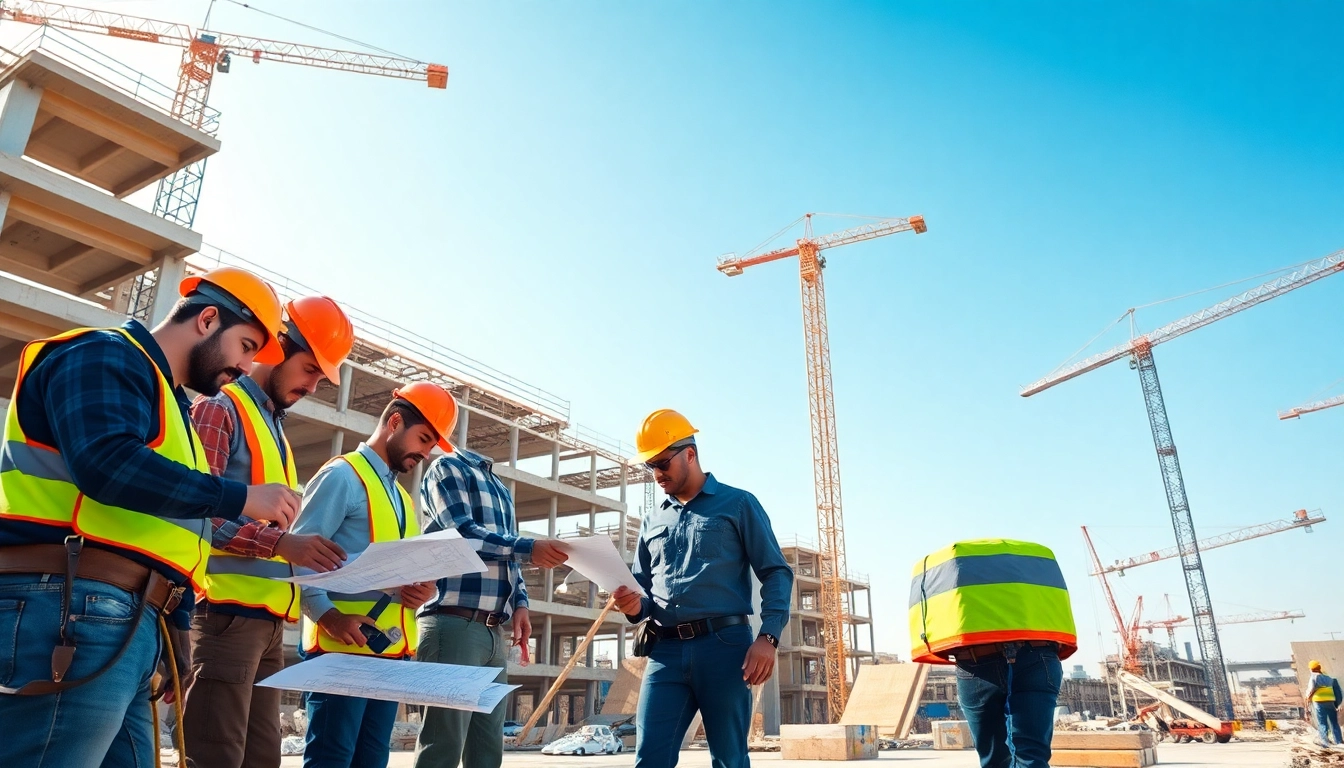
Understanding the Role of a New York General Contractor
When undertaking a construction project, whether residential or commercial, understanding the pivotal role of a general contractor becomes crucial. These professionals act as the linchpin for your project, coordinating all aspects, resources, and personnel involved to ensure timely and successful completion. A New York General Contractor manages everything from initial planning and budgeting to the final walkthrough.
What Services Do They Provide?
General contractors offer an extensive range of services that can vary depending on the project's specifics. Key services typically include:
- Project Planning and Management: They create timelines, manage the budget, and coordinate resources over the lifespan of the project.
- Permitting and Regulatory Compliance: Navigating local regulations and obtaining the necessary permits can be overwhelming; general contractors handle these areas efficiently.
- Site Supervision: Throughout the building process, they supervise work crews and ensure safety and compliance with building codes.
- Subcontractor Coordination: They often hire and manage subcontractors for specialized work, ensuring everyone is on the same page and working toward the same goals.
- Quality Control: It's their job to ensure that work performed meets established quality standards.
Why a General Contractor is Essential
The importance of hiring a general contractor cannot be understated. With their expertise, they streamline the construction process, minimizing delays and risks. They ensure appropriate resource allocation while managing conflicts that may arise during the project. For example, without a general contractor, sourcing materials, hiring subcontractors, and adhering to deadlines becomes an exponentially complex task. Their local knowledge of suppliers, regulations, and industry standards can save significant time and money.
Differences Between General Contractor and Subcontractor
Understanding the distinctions between general contractors and subcontractors is crucial for anyone embarking on a construction project. While a general contractor oversees the entire construction project and coordinates all parties involved, subcontractors specialize in specific trades or tasks. General contractors manage the project as a whole, whereas subcontractors focus on particular components, such as plumbing, electrical work, or carpentry. This hierarchical structure is essential for ensuring each aspect of a project receives the necessary attention and expertise.
How to Select the Correct New York General Contractor
Selecting the right general contractor for your project is crucial to its success. Engaging a New York General Contractor with the right qualifications can mean the difference between a seamless project and one filled with challenges. Here’s a comprehensive guide on how to make this decision.
Defining Your Project Needs
Begin by clearly defining the specifics of your project. Consider the type of construction required—whether it's residential, commercial, renovation, or new construction—and the scale and scope of the project. Understanding your goals enables you to communicate effectively with potential contractors and ensures that they have the requisite experience and skills for your particular needs.
Evaluating Credentials and Experience
When evaluating potential contractors, scrutinize their credentials. Ensure that they are licensed and insured to operate in New York. Additionally, experience in similar projects is invaluable. Ask about their past work and look for completed projects that mirror your intended construction type. A contractor with a proven track record is more likely to understand the nuances and challenges of your specific project.
Reading Reviews and Case Studies
Reviews from previous clients provide insight into a contractor's performance, reliability, and quality of work. Look for testimonials on their website, social media platforms, or independent review sites. Additionally, request case studies from potential contractors to gauge their problem-solving abilities and approach to challenges. Engaging contractors with a history of problems solved successfully adds a significant level of assurance to your selection.
Common Challenges With New York General Contractors
Budget Overruns and How to Avoid Them
One of the most prevalent challenges in construction projects is budget overruns. These often occur due to unforeseen circumstances, design changes, or poor estimation. To avoid this, have a detailed budget that encompasses not just the costs of labor and materials but also a contingency fund for unexpected expenses. Regular monitoring of your budget in collaboration with your contractor can help keep the project within financial boundaries.
Managing Communication Effectively
Effective communication is vital in any construction endeavor. Misunderstandings related to project details can lead to delays and frustration. Establishing regular touchpoints with your general contractor for updates ensures that everyone remains on the same page. Utilize tools and technologies that facilitate project updates and documentation exchange, minimizing the risk of communication breakdowns.
Resolving Contract Disputes
Contract disputes can arise from misunderstandings or unmet expectations. To mitigate this risk, ensure you have a detailed contract that outlines roles, responsibilities, timelines, and standards of work. If disputes emerge, maintaining open lines of communication and seeking compromise can often lead to satisfactory resolutions before escalating the issue. Should formal mediation be required, having a clear contract can support your position and facilitate a resolution.
Best Practices for Working With New York General Contractors
To foster a productive relationship with your general contractor, adhering to best practices can facilitate cooperation and result in a successful project. Here are some guidelines to consider.
Setting Clear Expectations
From the onset, clearly outlining your expectations regarding standards, timelines, and deliverables sets the groundwork for a productive relationship. Ensure both parties are aligned on project objectives, as having a shared vision fosters cooperation and accountability.
Scheduling and Timelines
Timelines are critical to construction projects. Collaborate with your contractor to develop a realistic project schedule that includes milestones. Be flexible when adjustments are required, but ensure that there are provisions to address any significant delays or setbacks within the agreed-upon timeline.
Regular Progress Meetings
Regular check-ins and progress meetings help maintain momentum in the project. Use these meetings to discuss updates, challenges, and changes in scope with your contractor. Establishing a rhythm for these interactions creates a collaborative environment and fosters transparency throughout the project lifecycle.
Performance Metrics and Project Success
To gauge the success of a construction project, certain performance metrics should be monitored throughout the lifespan of the project. Here’s a look at some key indicators that can help assess overall project success.
Key Performance Indicators for Contractors
KPIs provide quantifiable measures to evaluate a contractor's efficiency and effectiveness. Important KPIs include project completion time, budget adherence, number of change orders, and client satisfaction scores. Regular assessment of these metrics allows for informed decision-making regarding contractor performance and project adjustments.
Assessing Work Quality
Quality of work should always be a priority. Establish thorough quality benchmarks and inspect ongoing work against these metrics. When problems are identified, address them promptly to ensure high standards are maintained. Client satisfaction often reflects the overall quality of work completed, which reinforces the importance of monitoring standards continuously.
Post-Project Review and Feedback
Once the project concludes, conducting a post-project review helps assess what worked well and what could be improved. Seek feedback from all parties involved, including subcontractors and stakeholders. This evaluation not only facilitates personal growth and improvement for future projects but also helps build stronger relationships for any prospective future collaborations.
Frequently Asked Questions
1. What is the average cost to hire a general contractor in New York?
The average cost varies, but typically ranges from 10-20% of the total project budget, depending on the complexity and scale of the project.
2. How long does it take to complete a typical project?
Completion time varies by project scale; small renovations can take weeks, while larger commercial projects may extend to several months or even years.
3. What should I include in a contractor agreement?
Your agreement should detail project scope, timelines, cost, payment schedules, responsibilities, quality standards, and procedures for change orders.
4. How can I ensure my project remains within budget?
Regular budget reviews, maintaining contingency funds, and transparent communication with your contractor about any changes can help keep your project on track financially.
5. Are general contractors responsible for obtaining permits?
Yes, a New York General Contractor typically handles all necessary permits and ensures compliance with local building codes and regulations.