
Understanding the Sweetener Supplier Market
The sweetener market has evolved significantly over the past few decades, driven by changing consumer preferences towards health and wellness. As demand for low-calorie and natural alternatives grows, companies looking to source sweeteners need to choose their sweetener supplier carefully. This article explores the different aspects of the sweetener supplier market, covering supplier roles, types of sweeteners available, and current market trends.
The Role of Sweetener Suppliers
Sweetener suppliers play a critical role in the food and beverage industry, offering a broad range of products from traditional cane sugar to innovative alternatives like stevia and erythritol. Suppliers are responsible not only for providing ingredients but also for ensuring quality, safety, and compliance with industry standards. Their ability to adapt to consumer trends is vital for businesses aiming to stay competitive.
Types of Sweeteners Available
The sweetener market is diverse, featuring various types of sweeteners, each serving unique consumer needs:
- Natural Sweeteners: These include honey, maple syrup, and agave nectar, which are derived from plants and minimally processed.
- Artificial Sweeteners: Commonly used to reduce calories, these include aspartame and sucralose, offering sweet flavors without the added energy content.
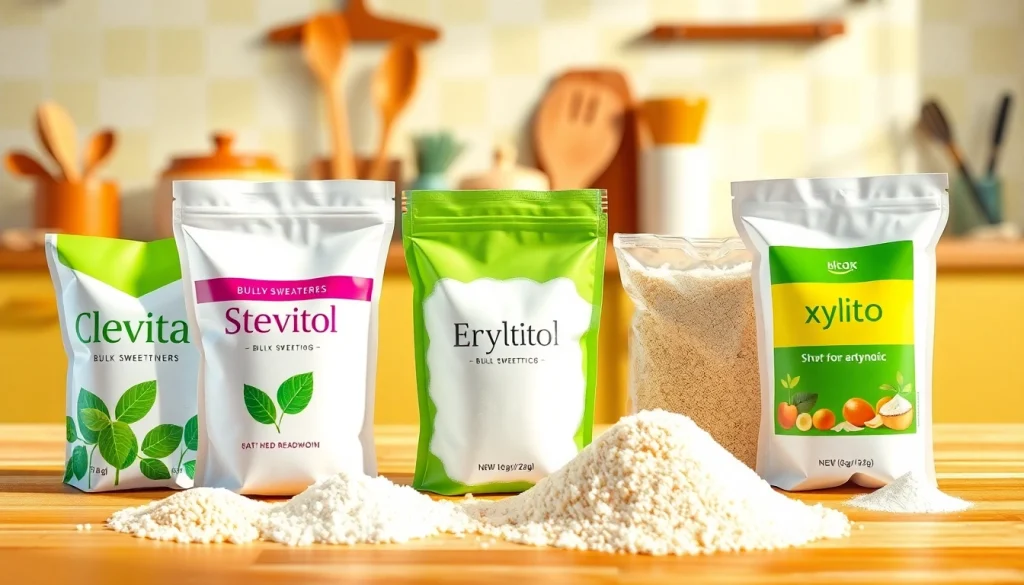
- Sugar Alcohols: Such as xylitol and erythritol, these provide sweetness with fewer calories and a lower glycemic index, appealing to health-conscious consumers.
- Low-Calorie Sweeteners: These sweeteners, like stevia and monk fruit extract, provide sweetness without the calories, fitting well into low-carb and sugar-free diets.
- Bulk Sweeteners: Traditional sugar forms, including granulated, powdered, and liquid sugars, remain staples for many manufacturers.
Market Trends in Sweeteners
Key trends influencing the sweetener market include:
- Health Consciousness: Consumers are increasingly seeking alternatives to sugar due to diabetes, obesity, and other health concerns.
- Sustainability: Environmental impacts are now a significant consideration, with many suppliers adopting sustainable sourcing practices.
- Diversity in Product Offerings: The demand for unique flavors and combinations is growing, prompting innovation in sweetener products.
- Clean Labeling: Consumers prefer transparency, leading suppliers to provide clear ingredient lists without artificial additives.
Key Factors in Selecting a Sweetener Supplier
Choosing the right sweetener supplier is crucial for businesses. Understanding the critical factors to consider will help in making informed decisions.
Quality Assurance and Safety Standards
Quality and safety are paramount when selecting a sweetener supplier. This means ensuring that the products are manufactured in accordance with strict safety protocols and certifications. Suppliers should be able to provide documentation for:
- Certifications like ISO, HACCP, or FSSC 22000, confirming their adherence to quality standards.
- Ingredient sourcing practices that meet ethical and quality benchmarks.
- Regular quality control checks to ensure consistency in their products.
Pricing Strategies and Negotiation Tips
A competitive price can greatly affect a business’s bottom line. Here are strategic considerations:
- Volume Discounts: Talk to suppliers about pricing structures linked to order volumes.
- Long-Term Contracts: Committing to longer terms may afford advantages in pricing, especially with forecasted increases in demand.
- Market Comparisons: Benchmark prices against industry standards to negotiate better deals.
Supplier Reliability and Delivery Times
Timely delivery is essential in maintaining production schedules. Considerations to assess supplier reliability include:
- Evaluating their delivery performance history through reviews or testimonials.
- Understanding their inventory management practices to prevent shortages.
- Establishing clear agreements on lead times for orders, especially during peak seasons.
How to Evaluate Sweetener Supplier Competitors
Understanding the competitive landscape can provide valuable insights into choosing a sweetener supplier that’s right for your business.
Analyzing Product Offerings and Variety
When comparing suppliers, consider the range of products they offer:
- Do they provide both natural and artificial options?
- Are their sweeteners customizable to meet unique production needs?
- What is the quality and purity of their products? Be wary of fillers or low-quality additives.
Comparing Customer Service Policies
Exceptional customer service can make a significant difference in supplier relationships. Evaluate potential suppliers based on:
- Responsiveness to inquiries and support requests.
- Availability of account managers or dedicated service teams.
- Policies for returns, refunds, and complaint resolution.
Understanding Market Reputation and Reviews
Researching a supplier’s reputation in the industry is essential:
- Look for client testimonials or case studies showcasing past successful collaborations.
- Check independent reviews or rankings within industry associations.
- Participate in industry forums to gather an authentic perspective on supplier performance.
Building a Long-Term Relationship with Your Sweetener Supplier
A successful partnership with a sweetener supplier can lead to mutual benefits, including shared growth opportunities. Here’s how to foster a strong relationship:
Effective Communication Strategies
Establishing clear communication channels is vital for a strong partnership:
- Regular meetings to discuss performance, challenges, and expectations.
- Utilizing technology for real-time updates and collaboration tools.
- Encouraging openness about feedback – both positive and negative.
Collaboration for Product Development
Co-creating products can lead to innovative sweetener solutions. Collaborate effectively by:
- Sharing insights from market research that may influence product enhancements.
- Involving the supplier in brainstorming sessions about new product lines.
- Requesting their expertise in testing and refining formulations.
Key Performance Indicators for Monitoring Supplier Quality
Utilize performance metrics to ensure supplier accountability:
- Track delivery times against agreed benchmarks to assess reliability.
- Monitor quality incidents or defects to gauge consistency.
- Evaluate responsiveness and support efficiency through surveys or feedback mechanisms.
Frequently Asked Questions about Sweetener Suppliers
1. What factors should I consider when choosing a sweetener supplier?
Consider product quality, price, delivery reliability, and customer support. Evaluate certifications and the range of sweeteners offered.
2. How do I verify the quality of sweeteners from a supplier?
Request certifications, conduct audits, and check customer reviews. Consider third-party testing for unbiased quality assessment.
3. What types of sweeteners can I source from suppliers?
Suppliers offer various types, including natural sweeteners, artificial sweeteners, sugar alcohols, and low-calorie alternatives to suit dietary needs.
4. Is it possible to negotiate prices with sweetener suppliers?
Yes, many suppliers are open to negotiations, especially based on order volumes and long-term contracts, allowing for favorable pricing adjustments.
5. How can I build a strong relationship with my sweetener supplier?
Maintain clear communication, set expectations, and collaborate on projects. Regular feedback and joint initiatives strengthen the partnership.