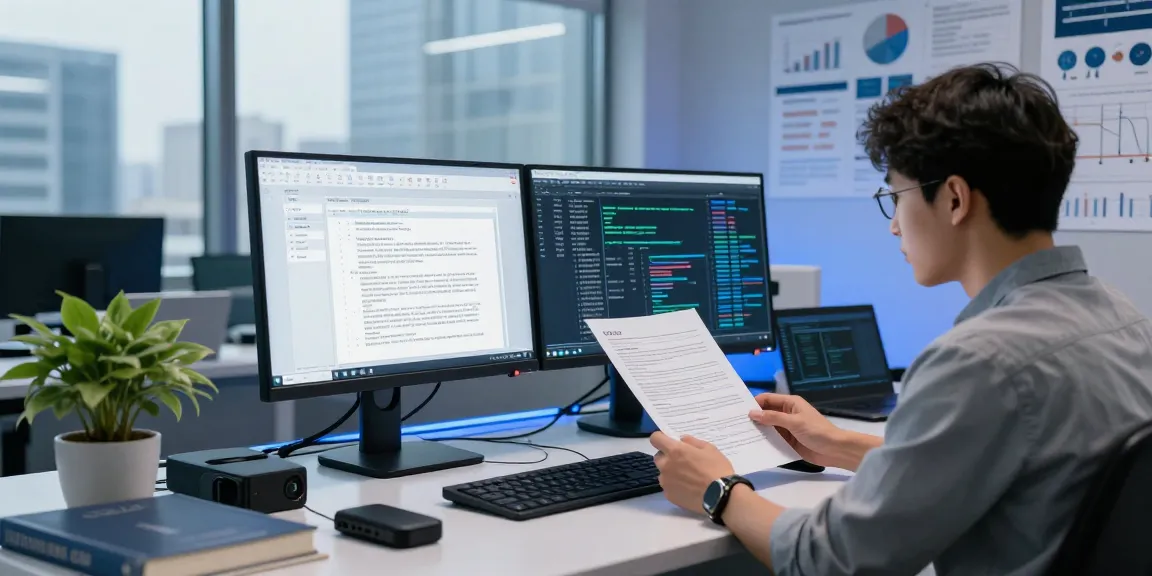
Understanding IT Helpdesk Solutions
In today's fast-paced digital landscape, businesses encounter a myriad of IT challenges daily. To effectively navigate these issues, organizations often turn to IT Helpdesk Solutions, which serve as a critical component in supporting their operational needs. These solutions provide robust frameworks for managing IT-related inquiries, enhancing user experience, and ensuring timely resolutions. With the right IT Helpdesk Solutions, businesses can transform how they address technical issues and improve overall service delivery.
What are IT Helpdesk Solutions?
IT Helpdesk Solutions encompass a variety of software and tools designed to assist IT teams in managing service requests, streamlining communication, and providing customer support. At their core, these solutions centralize inquiries and issues from end-users, enabling efficient tracking and resolution through a ticketing system. In addition to ticketing, many helpdesk solutions offer features like knowledge bases, self-service portals, and live chat capabilities, ensuring users have access to the support they need.
Key Features of Effective IT Helpdesk Solutions
Effective IT Helpdesk Solutions are characterized by several key features that enhance their functionality and usability:
- Ticketing System: A robust ticketing system allows for the categorization, prioritization, and tracking of user requests. This ensures that no inquiry falls through the cracks and facilitates better resource allocation.
- Knowledge Base: Many helpdesk solutions come equipped with knowledge management capabilities. A centralized knowledge base can empower users to find solutions independently, reducing the number of repetitive inquiries.
- Automated Workflows: Automation features can help streamline ticket management by automatically routing requests to the appropriate team members, thereby minimizing response times and improving efficiency.
- Reporting and Analytics: Comprehensive reporting tools allow IT managers to analyze performance metrics, user satisfaction, and common issues, which informs strategic decision-making.
- Integration Capabilities: Seamless integration with other software tools like CRM systems, project management tools, and communication platforms enhances collaboration and workflow efficiency.
The Importance of IT Helpdesk Solutions in Modern Businesses
The significance of implementing IT Helpdesk Solutions in modern organizations cannot be understated. Here are several reasons why these solutions are pivotal:
- Enhanced User Experience: By providing timely support, organizations can improve user satisfaction, leading to increased productivity and morale among employees.
- Operational Efficiency: Automating routine tasks and centralizing support can reduce the workload on IT staff, allowing them to focus on more strategic initiatives.
- Data-Driven Decisions: With analytics features, organizations can make informed decisions based on user feedback and issue trends, leading to continuous improvement in support services.
- Cost-Effectiveness: Effective support reduces downtime and minimizes the financial impact of IT-related issues, making businesses more agile and resilient.
Choosing the Right IT Helpdesk Solutions for Your Organization
Assessing Your Needs and Budget
When selecting an IT Helpdesk Solution, organizations must first assess their specific needs and budgetary constraints. Key considerations include:
- Size of the Organization: Smaller organizations may require less complex solutions compared to larger enterprises that need advanced features and scalability.
- Volume of Requests: Understanding the typical volume of IT requests helps determine the level of automation and response features necessary for the helpdesk.
- Budget Considerations: Organizations should analyze their budget to balance cost and functionality. It’s essential to evaluate the value that a solution provides against its price tag.
Comparing Different IT Helpdesk Solutions in the Market
With numerous IT Helpdesk Solutions on the market, organizations need a systematic approach to compare them effectively. Key comparison factors include:
- User-Friendliness: Solutions should be intuitive for both end-users and IT staff, reducing the time spent on training and support.
- Feature Set: Evaluate which features are essential for your organization and whether a solution adequately meets those needs.
- Customer Support: Strong vendor support can make a significant difference, especially during implementation and for ongoing queries.
- Customization Options: The ability to tailor the solution to meet specific organizational workflows is essential.
- Scalability: Ensure that the solution can grow with your organization’s needs over time, without the necessity for a complete overhaul.
Expert Tips for Selecting IT Helpdesk Solutions
To make an informed choice, consider the following expert tips:
- Conduct a needs assessment involving input from various departments to gauge their requirements and expectations from the helpdesk.
- Request demonstrations or trial periods from vendors to thoroughly evaluate user interfaces and feature sets.
- Review case studies or testimonials from organizations similar to yours to understand the practical implications of the solutions offered.
- Leverage feedback from end-users during the evaluation process, as they will ultimately be the ones interacting with the solution regularly.
Implementing IT Helpdesk Solutions Successfully
Steps for Smooth Deployment of IT Helpdesk Solutions
Implementing IT Helpdesk Solutions requires strategic planning and execution. Here are key steps to ensure a smooth deployment:
- Project Planning: Establish a clear project plan outlining timelines, resource allocation, and key deliverables.
- Data Migration: If transitioning from an old system, ensure that all relevant data is correctly migrated without loss.
- Integration: Integrate the helpdesk solution with existing systems where necessary to enable seamless information flow.
- User Testing: Conduct thorough testing with selected users before full-scale implementation to identify and resolve potential issues.
- Go Live: Launch the system across the organization, offering support for users as they acclimate to the new setup.
Training Your Team on IT Helpdesk Solutions
Proper training is essential for maximizing the effectiveness of IT Helpdesk Solutions. Effective training strategies involve:
- Creating comprehensive training materials, including user guides and video tutorials that cater to diverse learning styles.
- Conducting live training sessions, giving staff the opportunity to ask questions and engage with the system directly.
- Encouraging ongoing learning through refresher courses, especially when new features are introduced or updates are made.
Creating a User-Friendly Experience with IT Helpdesk Solutions
A user-friendly experience is essential to encourage the effective use of IT Helpdesk Solutions. Key strategies include:
- Simplifying navigation within the helpdesk interface to ensure users can easily submit tickets and find resources.
- Implementing self-service options, enabling users to resolve common issues independently through a knowledge base or FAQs.
- Soliciting user feedback regularly to identify pain points and areas for improvement in the helpdesk interface and overall experience.
Measuring the Effectiveness of IT Helpdesk Solutions
Key Performance Indicators for IT Helpdesk Solutions
To assess the effectiveness of IT Helpdesk Solutions, organizations should focus on relevant Key Performance Indicators (KPIs) that align with their support objectives. Important KPIs include:
- Response Time: Measure the average time taken to respond to user tickets, as swift responses typically correlate with higher satisfaction.
- Resolution Time: Track the time taken to resolve issues from submission to closure, enabling assessment of efficiency and bottlenecks.
- User Satisfaction Score: Utilize surveys post-resolution to gauge user satisfaction with the support received.
- Ticket Volume: Monitor ticket volume trends to understand peak times and the effectiveness of self-service options.
Evaluating User Feedback on IT Helpdesk Solutions
User feedback is invaluable in continually refining IT Helpdesk Solutions. Organizations can gather feedback through:
- Post-Interaction Surveys: Send surveys to users after a ticket has been closed to understand their experience.
- Focus Groups: Organize focus groups where users can share their experiences and suggest improvements freely.
- Usage Analytics: Analyze data from the helpdesk solution to identify patterns in usage and areas that require enhancement.
Continuous Improvement Strategies for IT Helpdesk Solutions
Continuous improvement is vital for maintaining the effectiveness of IT Helpdesk Solutions. To achieve this, organizations should:
- Regularly review performance metrics and outcomes against established KPIs to identify areas that can be enhanced.
- Encourage a culture of feedback where both users and IT staff feel empowered to suggest changes.
- Stay informed about industry best practices and emerging technologies that can enhance service delivery.
Future Trends in IT Helpdesk Solutions
Innovations Shaping IT Helpdesk Solutions
The landscape of IT Helpdesk Solutions is continuously evolving, influenced by innovations that enhance functionality and user experience. Some notable trends include:
- Artificial Intelligence: AI is being increasingly utilized in helpdesk solutions to automate responses for common queries, thereby freeing up IT personnel for more complex issues.
- Chatbots: Integration of chatbots facilitates real-time support, providing immediate assistance and enhancing user engagement.
- Cloud-Based Solutions: The shift towards cloud hosting not only allows for scalable deployments but also enables anywhere accessibility for both users and support teams.
The Impact of AI on IT Helpdesk Solutions
Artificial Intelligence is set to redefine IT Helpdesk Solutions significantly. The advantages of integrating AI include:
- Intelligent Ticket Routing: AI can analyze incoming requests to prioritize issues and route them to the appropriate team members based on complexity and expertise.
- Predictive Analysis: By analyzing past data, AI can identify recurring issues, allowing organizations to proactively address potential problems before they escalate.
- Enhanced User Interfaces: Natural Language Processing (NLP) can improve user interaction by allowing them to submit inquiries in everyday language rather than technical jargon.
Preparing for the Future of IT Helpdesk Solutions
To stay ahead in a rapidly changing technological landscape, organizations must prepare for the future of IT Helpdesk Solutions by:
- Investing in training for IT staff to ensure they are adept at using new technologies and managing AI-driven solutions effectively.
- Conducting regular technology audits to ensure that existing systems remain efficient and are aligned with the organizational goals.
- Engaging with vendors that offer innovation roadmaps to stay informed about potential upgrades and feature additions that can benefit the organization.