Understanding the Growing Demand for Modern Security Systems
In recent years, the demand for reliable and advanced Security Systems has grown at an unprecedented rate as homeowners, renters, and business owners look for better ways to protect their property, ensure safety, and maintain peace of mind. With technology evolving rapidly and smart homes becoming the new norm, people are no longer limited to traditional setups. Instead, they are exploring customizable options that range from fully DIY setups to professionally designed and installed solutions. The debate between DIY and professional installation has become one of the most important discussions in the home protection market, especially as brands continue to introduce new features, subscription plans, monitoring capabilities, and innovative hardware designs. For someone looking to make an informed decision, understanding these systems in depth is essential because the performance of any setup often determines the level of security and convenience it can provide.
How DIY Security Systems Became a Popular Modern Option
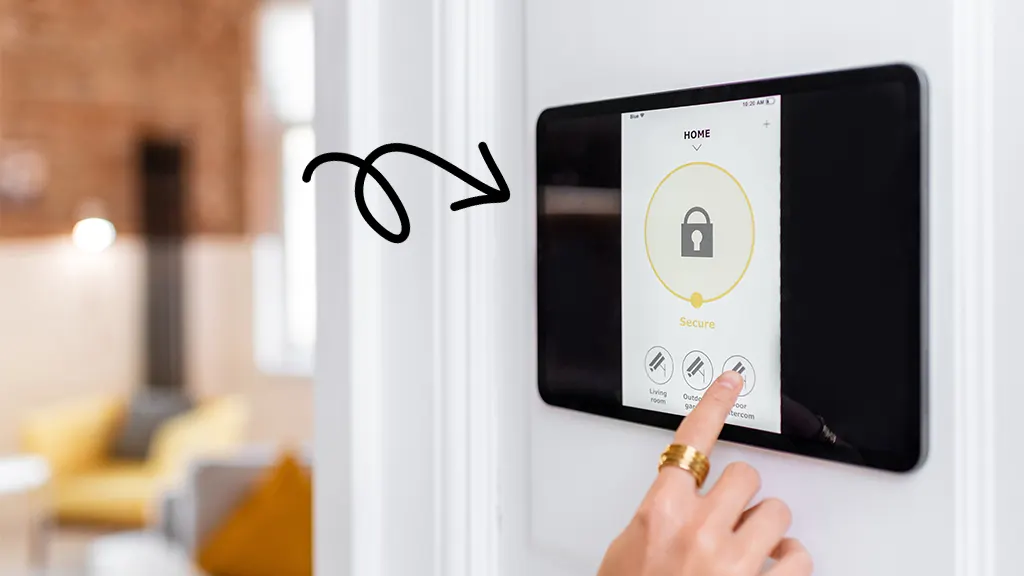
DIY Security Systems have gained massive traction over the past decade due to their flexibility, affordability, and ease of installation. Many people prefer these systems because they offer a level of control and customization that traditional professionally installed systems sometimes lack. The modern DIY market has evolved to include wireless cameras, motion sensors, video doorbells, smart locks, and automated control hubs that are designed for simple setup without the need for technical expertise. Because they often come with app-based controls and cloud-based alerts, these systems provide immediate access to live feeds, activity logs, and notification settings, all from a smartphone. This convenience is one of the major reasons they appeal to tech-savvy users who want complete oversight of their home environment. As smart home ecosystems continue to expand, DIY systems integrate seamlessly with voice assistants, lighting controls, and energy automation devices, giving homeowners a truly interconnected experience.
The Core Advantage of DIY Security Systems for Hands-On Users
One of the biggest advantages of DIY Security Systems is the hands-on control they offer during setup and operation. You can decide where cameras should be placed, how sensors should be aligned, and how various devices should work together in your space. This gives users a unique sense of ownership over their home protection strategy because they are directly responsible for customizing each component based on their environment. Not only does this allow greater experimentation and personalization, but it also makes future upgrades significantly easier. Whenever new technology hits the market, homeowners can simply add more cameras, swap out sensors, or integrate new automation devices without needing to schedule a service appointment. This adaptability is a key reason DIY setups continue to appeal to renters and homeowners who value independence and long-term scalability.
Considering the Limitations of DIY Security Systems Before You Commit
While DIY Security Systems come with many appealing features, they are not without limitations that could affect long-term performance or reliability. Because the installation is handled entirely by the user, certain placements may not offer optimal coverage, especially for larger homes or complex floor plans. Some users may also overlook vulnerabilities such as blind spots, inadequate Wi-Fi strength, or improper mounting angles, which can affect motion detection accuracy or video clarity. Another important limitation is that DIY systems often rely heavily on the user for troubleshooting and maintenance. Firmware updates, battery replacements, device pairing issues, and network optimization all become the responsibility of the owner. For individuals who prefer a hands-off experience or who may not be as comfortable handling tech-related tasks, these systems may feel overwhelming over time. Additionally, while many DIY systems offer optional professional monitoring, some rely solely on app alerts, which may not be ideal for those who want 24/7 emergency response support.
Why Professional Installation Remains a Strong Choice for Homeowners
Many homeowners still prefer professionally installed Security Systems because they offer expert design, reliable coverage, and long-term stability that DIY setups may not always match. Professional technicians understand how to evaluate a property’s layout, identify vulnerable entry points, and strategically position sensors and cameras to maximize security. Their expertise ensures that every device works cohesively, reducing the likelihood of technical issues or coverage gaps. Professionally installed systems often come with high-grade equipment, advanced monitoring features, and long-term warranties that protect users from unpredictable malfunctions. Because these systems are typically integrated with dedicated control hubs and maintained by experienced security companies, they provide a sense of reliability and consistent performance that appeals to homeowners who prioritize robust and hassle-free protection.
The Comprehensive Service Experience Offered by Professional Security Systems
One of the biggest selling points of professional Security Systems is the comprehensive service experience. From initial consultation to installation, system configuration, monitoring, and ongoing maintenance, the security provider handles every step of the process. This reduces the complexity and stress for users who want a worry-free experience. Many professional systems also include high-level monitoring with direct communication to emergency services, meaning response times are faster and more effective. Because the security company oversees system performance and device health, homeowners never need to worry about missed updates or equipment failures. This service-oriented approach creates a strong sense of trust, especially for families, seniors, or individuals living in areas where break-ins are more common.
The Cost Difference Between DIY and Professional Security Systems
The cost of Security Systems is one of the biggest deciding factors for many buyers. DIY setups generally offer lower upfront costs because users purchase equipment directly and avoid installation fees. Monthly monitoring fees for DIY setups also tend to be optional or more affordable. However, when considering long-term value, the cost difference between DIY and professional systems becomes more nuanced. Professional systems typically require contract-based payments for monitoring services, and these fees can add up over time. The higher cost, however, usually reflects enhanced features such as continuous monitoring, remote dispatching, and equipment servicing. For homeowners who want guaranteed reliability and emergency support, the cost may be justified. Meanwhile, DIY systems are ideal for budget-conscious users who prefer to manage tasks themselves and want to avoid long-term obligations or subscription commitments.
Feature Comparison: What DIY vs. Professional Security Systems Offer
When comparing the features of DIY and professional Security Systems, it becomes clear that each option excels in different areas depending on user needs and expectations. DIY setups generally focus on ease of use, smartphone accessibility, flexible installation, and smart home integration. They often come with intuitive apps, customizable alerts, and wireless connectivity that makes them ideal for modern households. Professional systems, on the other hand, place emphasis on reliable monitoring, expert placement, durable hardware, and tamper-resistant setups. Because professional systems often use proprietary equipment that is tested for performance under various conditions, they may offer better long-term durability. Additionally, professional providers frequently offer advanced features such as local alarm verification, integrated fire and carbon monoxide monitoring, and automated emergency dispatch.
Smart Home Compatibility in Modern Security Systems
Both DIY and professional Security Systems increasingly prioritize smart home compatibility as homeowners adopt more connected devices. DIY systems typically lead in this area because they are designed with flexibility in mind, allowing users to integrate a wide variety of third-party smart home tools such as voice assistants, automated lighting, smart thermostats, and energy monitoring devices. This creates a seamless and highly customizable ecosystem. Professional systems also incorporate smart technology, but they tend to adopt a more controlled compatibility approach by working primarily with verified and secure integrations. This ensures stability and reduces the likelihood of connectivity issues. The decision between DIY and professional smart home compatibility depends largely on whether users want unlimited customization or tightly managed reliability.
Reliability and Monitoring Strength in High-Quality Security Systems
Reliability is a crucial element when choosing Security Systems, especially for homeowners who prioritize consistent performance and emergency readiness. DIY systems generally provide strong reliability as long as users maintain the devices, ensure stable connectivity, and respond promptly to alerts. However, they may lack constant surveillance when monitoring services are not active. Professional systems typically exceed DIY options in reliability due to dedicated monitoring centers, redundant communication channels, and alarm verification processes that reduce false alarms. This level of oversight ensures that users receive uninterrupted support even during power outages, network failures, or unforeseen emergencies. For individuals who want lifelong peace of mind without managing the technical aspects of system upkeep, professional monitoring remains one of the strongest advantages.
Understanding Long-Term Value When Investing in Security Systems
Evaluating long-term value is essential when choosing between DIY and professional Security Systems, especially because home security is a long-term commitment. DIY systems offer exceptional value for users who appreciate flexibility and low ongoing costs. They are particularly useful for renters, frequent movers, or households that expect to upgrade equipment frequently. Professional systems provide long-term value through consistent support, reliable monitoring, and high-grade hardware that does not need frequent replacement. The expertise provided during installation ensures that the system is optimized from the beginning, reducing the likelihood of future issues. Although professional systems may require contract commitments, the added protection can outweigh the cost for families or homeowners who plan to stay in one place long-term.
Customization and System Control in DIY vs. Professional Security Systems
Customization is one of the most significant distinctions between DIY and professional Security Systems. DIY systems offer users complete control over settings, device placement, app configurations, and upgrades. This hands-on experience is appealing to tech enthusiasts who enjoy tailoring their home environment and experimenting with new devices. Professional systems offer customization through expert consultation rather than user-driven adjustments. Security technicians design a custom layout based on property size, risk level, and security goals. While this approach reduces flexibility, it ensures optimal security performance. The level of customization each user needs will determine which option is better suited to their lifestyle.
Installation Complexity and Setup Experience
Installation plays a major role in how users choose between DIY and professional Security Systems. DIY installation is typically straightforward, requiring minimal tools and no professional expertise. Wireless devices make setup quick, and most brands provide step-by-step app-based instructions. This convenience makes DIY systems especially appealing for beginners. Professional installation, on the other hand, is ideal for larger homes or complex layouts where expert guidance ensures proper coverage. Technicians can address structural challenges, optimize device placement, and provide hands-on demonstrations of system features. Users who prefer seamless and stress-free installation may find professional services far more appealing than self-managed setups.
System Maintenance and Technical Support
Long-term maintenance is another critical factor when evaluating Security Systems. DIY setups place maintenance responsibilities on the user, including battery checks, firmware updates, troubleshooting, and device replacements. This can be manageable for tech-savvy individuals but may become burdensome for people who do not enjoy technical tasks. Professional systems usually offer ongoing technical support, routine maintenance checks, and quick responses to malfunctions. Because the security provider handles updates and repairs, users can expect consistent performance without the need for hands-on involvement. This distinction is important for households that want stable, long-term security without managing the technical details.
Data Security and Privacy Considerations
Modern Security Systems rely heavily on cloud storage, mobile apps, and wireless connectivity, making data security a crucial concern. DIY systems often store video footage and activity logs on third-party cloud servers, and users must choose plans that balance cost with security. Some DIY brands may offer local storage through SD cards or network video recorders, but these systems require careful configuration to keep data safe. Professional systems typically offer more robust data protection measures, including encrypted communication, secure servers, and controlled data access policies. Because professional providers manage system security, they often have dedicated teams to monitor and prevent breaches. Users who prioritize the highest level of digital security may find professionally managed systems more trustworthy.
Emergency Response Times and Alert Efficiency
A key benefit of professional Security Systems is their ability to provide rapid emergency response through dedicated monitoring centers. When an alarm is triggered, professional operators can quickly verify the threat and coordinate with emergency services, ensuring timely assistance. This is particularly valuable during situations when a homeowner may be unable to respond to alerts. DIY systems rely heavily on user responsiveness, meaning that if someone misses a notification, valuable time may be lost. Although some DIY systems offer professional monitoring upgrades, the efficiency of response may vary depending on the provider. Understanding how each system handles emergencies is essential for choosing the right solution.
When DIY Security Systems Make the Most Sense
DIY Security Systems are an excellent option for individuals who value affordability, flexibility, and control over their home environment. They are ideal for renters who prefer portable systems, tech enthusiasts who enjoy managing smart home devices, and homeowners who want to avoid long-term contracts. DIY setups allow users to test new equipment, scale their system gradually, and maintain ownership of both monitoring and hardware choices. The absence of installation fees and the availability of optional monitoring plans make DIY systems budget-friendly while still delivering advanced features.
When Professional Installation Is the Better Choice
Professional installation is often the better choice for users seeking reliability, expert guidance, and comprehensive monitoring. Homes with multiple entry points, large floor plans, or security vulnerabilities benefit from expert design and device placement. Families, seniors, and individuals living in higher-risk areas may also appreciate the guaranteed response times and continuous support offered by professional systems. The long-term stability and advanced monitoring capabilities can provide peace of mind that DIY setups may not fully deliver.
Choosing the Right Security Systems for Your Needs
In deciding between DIY and professional Security Systems, the most important consideration is your personal security goals, lifestyle, and preference for system involvement. Both options offer powerful features and modern technology designed to protect your home effectively. Some households may benefit from the independence and customization of DIY systems, while others may prefer the structure and reliability of professional installation. The right decision ultimately depends on factors such as budget, property size, technical confidence, and the level of long-term support you desire. By evaluating these elements carefully, you can choose a system that not only meets your expectations but enhances your overall sense of safety.
Conclusion
Choosing between DIY and professional Security Systems requires careful consideration of your lifestyle, security priorities, and long-term expectations. DIY systems offer flexibility, affordability, and full control over installation and customization, making them ideal for users who enjoy hands-on involvement and frequent upgrades. Professional systems provide expert installation, reliable monitoring, and comprehensive support, delivering long-term stability and enhanced protection for households that want a worry-free experience. Each option has unique strengths, and by understanding how they differ in terms of cost, features, reliability, and user involvement, you can make a well-informed decision that aligns with your home protection goals. Whether you value independence or expert-managed security, choosing the right system will significantly improve your safety and peace of mind. For further information, please visit our main page.
Frequently Asked Questions
What makes DIY Security Systems a good option for beginners?
DIY Security Systems are considered beginner-friendly because they come with simple installation processes, intuitive app guidance, and wireless setups that require little to no technical knowledge. Most devices are designed to be plug-and-play, allowing users to configure them quickly and independently.
Are professional Security Systems more reliable than DIY options?
Professional Security Systems typically offer higher reliability due to expert installation, continuous monitoring, and advanced hardware quality. Monitoring centers can verify alarms, reducing the risk of false alerts and ensuring faster response times in emergencies.
Do DIY Security Systems require monthly fees?
Some DIY Security Systems offer optional monthly fees for cloud storage or professional monitoring, but many can function without long-term subscriptions. This flexibility allows users to choose plans that match their needs while controlling ongoing costs.
Can professionally installed Security Systems integrate with smart home devices?
Many professional Security Systems support smart home integrations, although compatibility may be limited to specific verified devices to ensure reliability. This controlled approach enhances system stability while still offering modern convenience.
Which option is better for larger homes: DIY or professional installation?
Professional Security Systems are generally better suited for larger homes because technicians can design a customized layout, optimize device placement, and ensure complete coverage. This reduces the risk of blind spots and enhances long-term protection for more expansive properties.