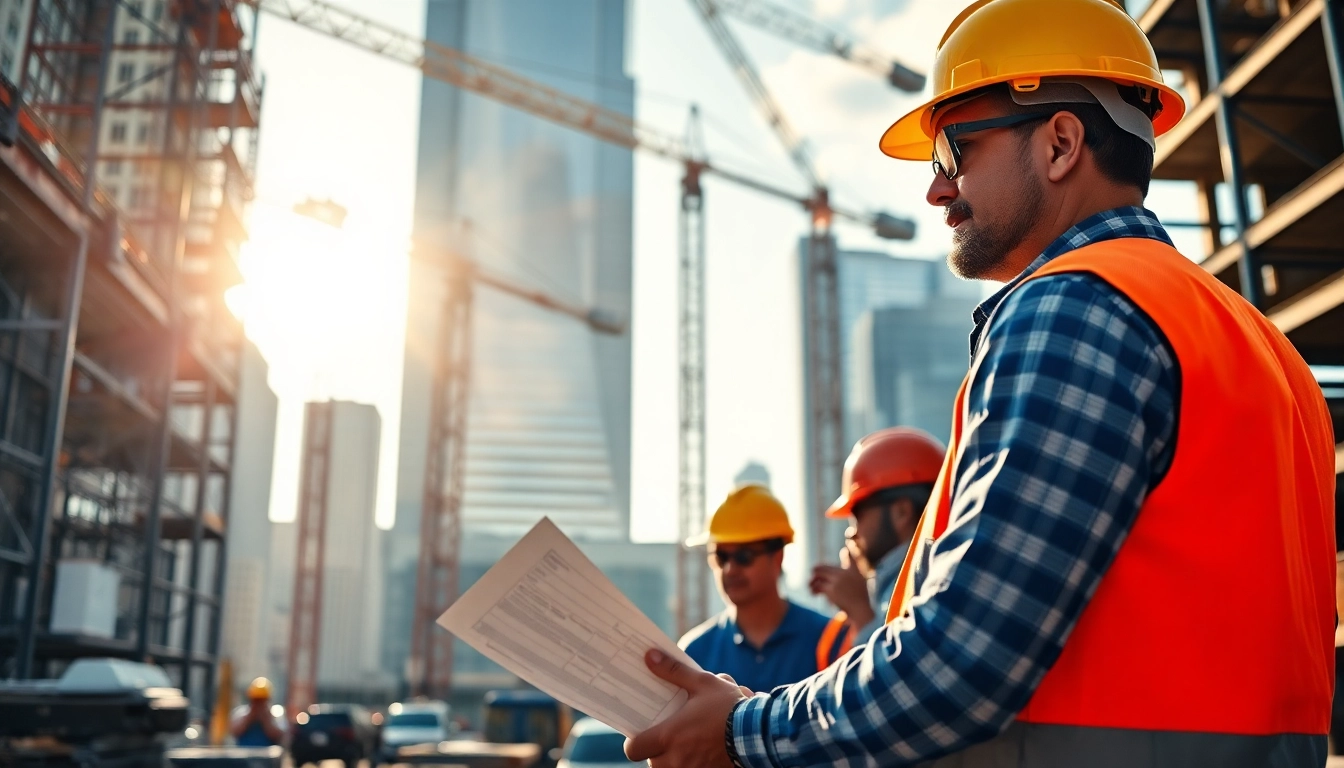
Understanding the Role of a New York City Construction Manager
The construction landscape in New York City is unique, driven by the city's vibrant culture, diverse architecture, and complex regulations. Serving as a linchpin in this intricate environment, the New York City Construction Manager plays a pivotal role in ensuring that projects are completed successfully, on time, and within budget. This article explores the responsibilities, challenges, and best practices involved in this crucial profession.
Key Responsibilities and Skills
The key responsibilities of a construction manager encompass overseeing construction projects from inception to completion. This includes planning, execution, and managing teams, budgets, and timelines. Essential skills for a construction manager include leadership, communication, budgeting expertise, problem-solving abilities, and a strong understanding of building codes and safety regulations.
Importance of Project Management
Effective project management is vital in the fast-paced construction industry. A construction manager must implement methodologies such as Agile and Lean construction to enhance efficiency. These practices help in managing workflows, reducing waste, and ensuring that stakeholders remain informed throughout the project lifecycle.
Building Effective Teams
One of the most significant tasks for a construction manager is to recruit and cultivate a high-performing team. This involves not only hiring skilled labor but also nurturing talent through ongoing training and development programs. A diverse team with varied skill sets can innovate solutions and handle the unpredictable nature of construction projects more effectively.
Common Challenges Faced by New York City Construction Managers
Dealing with Regulatory Compliance
New York City has stringent regulations that construction projects must adhere to, including zoning laws, safety regulations, and environmental concerns. Navigating these complex layers of compliance requires diligence and expertise. Construction managers must stay updated on local laws to avoid costly delays and penalties.
Budget Management and Cost Control
Budget overruns are a common challenge in construction projects, particularly in a high-cost city like New York. A construction manager must develop accurate cost estimates and maintain rigorous budget controls. This involves continuously monitoring expenses against the budget, identifying areas for cost savings, and ensuring that any changes in project scope are accounted for financially.
Addressing Safety Concerns
Safety is a paramount concern in construction. Ensuring a safe work environment is not only a legal requirement but also crucial for the well-being of all workers. Construction managers must implement and enforce safety protocols, conduct risk assessments, and promote a culture of safety to mitigate the risk of accidents on the job site.
Best Practices for New York City Construction Management
Effective Communication Techniques
Communication is key to any successful project. A New York City construction manager must establish clear channels of communication among all stakeholders—clients, subcontractors, and team members. Regular meetings, project updates, and open lines of communication foster collaboration and facilitate problem-solving.
Utilizing Technology and Tools
Modern technology has transformed construction management, offering tools that enhance efficiency and project oversight. Software for project scheduling, budget tracking, and team collaboration can improve resource allocation and streamline workflows. Embracing technology allows for real-time tracking and better decision-making throughout the project timeline.
Risk Assessment and Mitigation
Identifying and assessing potential risks before they become problems is a hallmark of effective construction management. This involves conducting thorough site analyses, obtaining correct permits, and preparing contingency plans to address unforeseen challenges that may arise, ranging from supply chain disruptions to adverse weather conditions.
Case Studies of Successful Construction Projects in New York City
Highlights of Notable Developments
New York City boasts numerous successful construction projects, including the High Line, Hudson Yards, and One World Trade Center. Each project showcases unique architectural innovations and serves as a testament to effective construction management practices. By analyzing these landmarks, aspiring construction managers can learn from the strategies employed to achieve project success.
Lessons Learned from Each Project
Every successful project yields valuable lessons. For instance, the High Line's adaptive reuse of a former rail line illustrates the importance of stakeholder engagement and community input throughout the planning process. Lessons learned from each endeavor help shape future projects and enhance overall construction management practices in the city.
Impact on Community and Infrastructure
Construction projects significantly impact the communities they serve, often facilitating economic growth and fostering public spaces. Projects like Hudson Yards have revitalized neighborhoods, generating jobs and improving urban infrastructure, thus demonstrating the far-reaching benefits of proficient construction management.
Future Trends for New York City Construction Managers
Green Building Initiatives
As awareness of environmental issues grows, green building initiatives are becoming increasingly important. Construction managers in New York City must prioritize sustainability through energy-efficient designs, eco-friendly materials, and waste reduction strategies. Adopting green practices not only benefits the environment but can also yield long-term cost savings and increased marketability.
Incorporating Smart Technologies
The rise of smart technologies in construction is revolutionizing how projects are managed. Incorporating Internet of Things (IoT) devices, Building Information Modeling (BIM), and artificial intelligence (AI) enables construction managers to enhance productivity, reduce errors, and increase safety through data-driven decision-making.
Adapting to Evolving Regulations
Regulatory landscapes continually evolve due to shifting political, economic, and social priorities. A successful construction manager must stay informed about these changes and be ready to adapt strategies accordingly. This proactive approach ensures compliance while also fostering resilience in project planning and execution.
Frequently Asked Questions
What qualifications are needed to become a construction manager in NYC?
To become a construction manager in NYC, a bachelor's degree in construction management, civil engineering, or a related field is essential. Practical experience through internships or entry-level roles is also highly beneficial.
How does a construction manager ensure safety on-site?
A construction manager ensures safety on-site by implementing safety protocols, conducting regular training sessions, and performing risk assessments to identify and mitigate potential hazards.
What role does technology play in construction management?
Technology plays a crucial role in construction management by streamlining project workflows, improving communication, and enabling real-time data tracking, which enhances overall project efficiency.
How do construction managers handle project delays?
Construction managers handle project delays by assessing the causes, communicating with stakeholders, and implementing contingency plans to minimize impacts and get the project back on track efficiently.
What are the benefits of green construction practices?
Green construction practices offer multiple benefits, including reduced energy consumption, lower long-term costs, enhanced marketability, and a positive impact on the environment and community health.