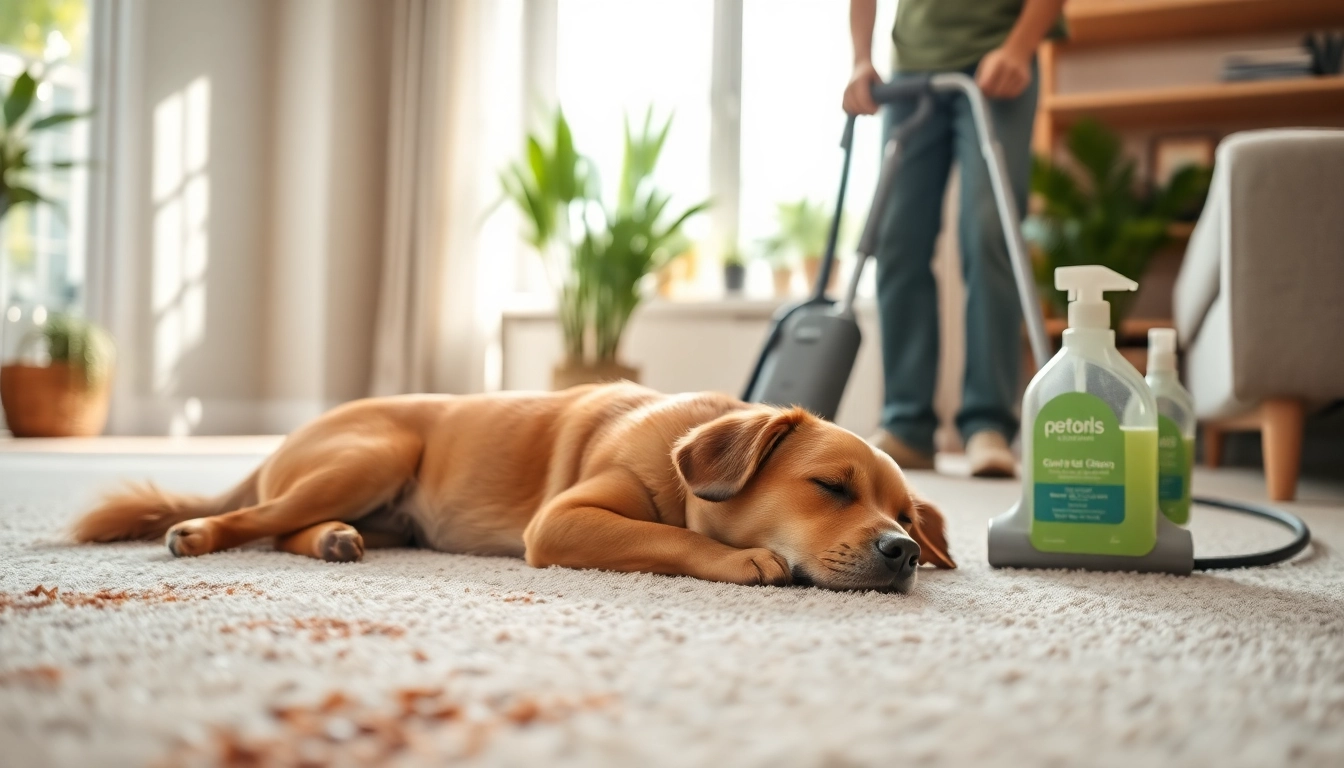
Understanding Pet Odor in Carpets
For pet owners, the joy of having animals in the household can sometimes be overshadowed by challenging issues like pet odor carpet cleaning. Understanding the root causes, impacts, and signs of pervasive pet odors is essential for maintaining a fresh living environment. This guide will discuss the complexities surrounding pet odors and the practical solutions you can implement to combat them.
What Causes Pet Odors?
Pet odors commonly result from a combination of factors. The most prevalent causes include:
- Urine and Feces: One of the most immediate sources of odor, especially in poorly trained pets. Urine often seeps into carpet fibers and padding, leading to lingering smells.
- Saliva and Sweat: Pets, particularly dogs, can produce saliva that may stain carpets, contributing to unpleasant odors. Pets also have sweat glands which can produce smells, especially in warmer environments.
- Skin Dander and Fur: Even after cleaning, pet dander and hair can break down, contributing to household odors.
- Built-up Bacteria: Bacteria from pet waste can break down organic material in carpets, leading to more intense odors when they proliferate.
How Pet Odors Impact Your Home Environment
The presence of pet odors can affect more than just the smell in your home; it can impact your overall quality of life:
- Affecting Air Quality: Lingering odors can result from bacteria and allergens, reducing indoor air quality.
- Impacts Mental Well-being: A smelly home can lead to embarrassment when guests visit or a feeling of discomfort while at home.
- Affects Property Value: Persistent pet odors can deter potential buyers when selling, as the odors may be hard to eliminate.
Signs You Need Pet Odor Carpet Cleaning
There are several indicators that it may be time to clean your carpets specifically to address pet odors:
- Visible Stains: Dark spots or yellow stains are clear signals of pet urine, often coupled with associated odors.
- Musty Smells: A persistent musty odor is a strong hint that pet odors are embedded deep into your carpets.
- Increased Sneezing or Allergies: An increase in allergies or respiratory issues among household members may indicate allergen presence in your carpets, often from pet dander.
- Behavior Changes from Pets: If your pets are reluctant to return to certain areas of your home, odors can be a significant reason.
Best Practices for Pet Odor Carpet Cleaning
When dealing with pet odors, employing the right practices can determine the effectiveness of your cleaning efforts. Let's dive into some of the best practices you can incorporate.
Choosing the Right Cleaning Products
Not all cleaning products are suitable for pet odor removal. Choosing the right one is paramount:
- Enzymatic Cleaners: These cleaners contain enzymes that target the proteins in pet waste, breaking down the odor-causing substances rather than just masking them.
- Neutralizes vs. Masks: Avoid products that merely mask odors. Opt for solutions that neutralize and eradicate smells at the source.
- Eco-Friendly Options: Consider environmentally friendly products to ensure a safe living space, especially if you have children or allergic family members.
DIY Carpet Cleaning Techniques
If you're looking to tackle pet odors yourself, there are several DIY methods you can try:
- Baking Soda Treatment: Sprinkle baking soda over the affected area, let it sit for several hours or overnight, and then vacuum it up. This method deodorizes effectively.
- Vinegar and Water Solution: Mix equal parts vinegar and water, apply to stained areas, blot with a cloth, and rinse. Vinegar neutralizes odors but might require some rinsing to eliminate the vinegar smell.
- Hydrogen Peroxide Solution: For tougher stains, mix hydrogen peroxide with dish detergent and water. Test a small inconspicuous area first.
When to Call Professional Help
Sometimes, the best course of action is to seek professional cleaning services. Consider this option when:
- Stubborn Stains: If an odor persists despite cleaning attempts, professional services have advanced tools for deeper cleaning.
- Health Concerns: Regular bacteria growth from pet waste can pose health risks, necessitating professional intervention.
- Time Constraints: Life can be busy, and sometimes it’s worth hiring professionals to save time and headaches.
Advanced Carpet Cleaning Techniques
Additionally, some advanced techniques can enhance your carpet cleaning regimen:
Steam Cleaning vs. Carpet Shampooing
Understanding these two techniques can help you decide which is best for your situation:
- Steam Cleaning: This method uses hot water and steam to penetrate deep into carpet fibers, effectively killing bacteria and removing odors.
- Carpet Shampooing: Shampooing can clean the surface effectively, but it might leave behind residues or odors if not rinsed thoroughly.
- Effectiveness Comparison: Steam cleaning is generally more thorough for odor removal than traditional shampooing.
Using Enzymatic Cleaners Effectively
To maximize the efficacy of enzymatic cleaners:
- Pre-Treat Stains: Apply the cleaner directly to stains and allow it to sit, ensuring it penetrates deeply into the stain.
- Follow Instructions: Adhere to the manufacturer's direction on application time and dilution for best results.
- Regular Use: Incorporate this type of cleaner into your regular cleaning routine to prevent odor buildup.
Understanding Carpet Material Variations
Your carpet's material can significantly affect cleaning techniques:
- Natural Fibers: Wool and cotton require special care, as water and excessive cleaning products can damage them.
- Synthetic Fibers: Nylon and polyester carpets can generally withstand harsher cleaning agents and more thorough methods.
- Testing Before Cleaning: Always perform a patch test on a hidden area of the carpet before applying any cleaning product.
Maintaining a Fresh Carpet After Cleaning
Once you've cleaned your carpets, maintaining their freshness will require ongoing efforts:
Routine Maintenance Tips
Implement these tips into your cleaning routine for lasting freshness:
- Regular Vacuuming: Vacuum frequently to keep dander and loose hairs at bay.
- Spot Cleaning: Address spills and accidents immediately to minimize long-term staining and odor.
- Protective Mats: Use mats at entryways to catch dirt and debris before it reaches your carpets.
Preventive Measures Against Future Odors
Taking proactive steps can help in preventing odor reoccurrence:
- Frequent Grooming: Regular grooming of pets reduces shedding and dander, minimizing accumulated odors.
- Designated Potty Areas: Train pets to eliminate in specific areas, which can help contain messes.
- Air Circulation: Allow fresh air to circulate in your home to help prevent mustiness.
Creating a Pet-Friendly Home Environment
Living harmoniously with pets while keeping your home fresh is achievable with these strategies:
- Choose Durable Fabrics: Use easy-to-clean fabrics on furniture to mitigate odor absorption.
- Designate Spaces: Create pet zones to contain activities, helping to manage messes.
- Pet-Safe Plants: Select non-toxic plants to maintain a safe environment for pets and avoid harmful odors from decaying plants.
FAQs About Pet Odor Carpet Cleaning
How often should I clean my carpets if I have pets?
For homes with pets, it's recommended to clean carpets every 6-12 months to control odors and stains.
Can I use regular cleaners for pet odor removal?
Regular cleaners may mask odors but use enzymatic cleaners designed for pet odors for best results.
Are professional carpet cleaner services worth it?
Yes, professionals often use advanced equipment and solutions that effectively eliminate tough odors.
What if my carpet is stained?
Stains can be tricky; consider spot treating first and fully cleaning your carpets thereafter.
How do I prevent my pet from re-soiling the carpet?
Regular grooming and setting up designated potty spots can help reduce the chances of accidents indoors.