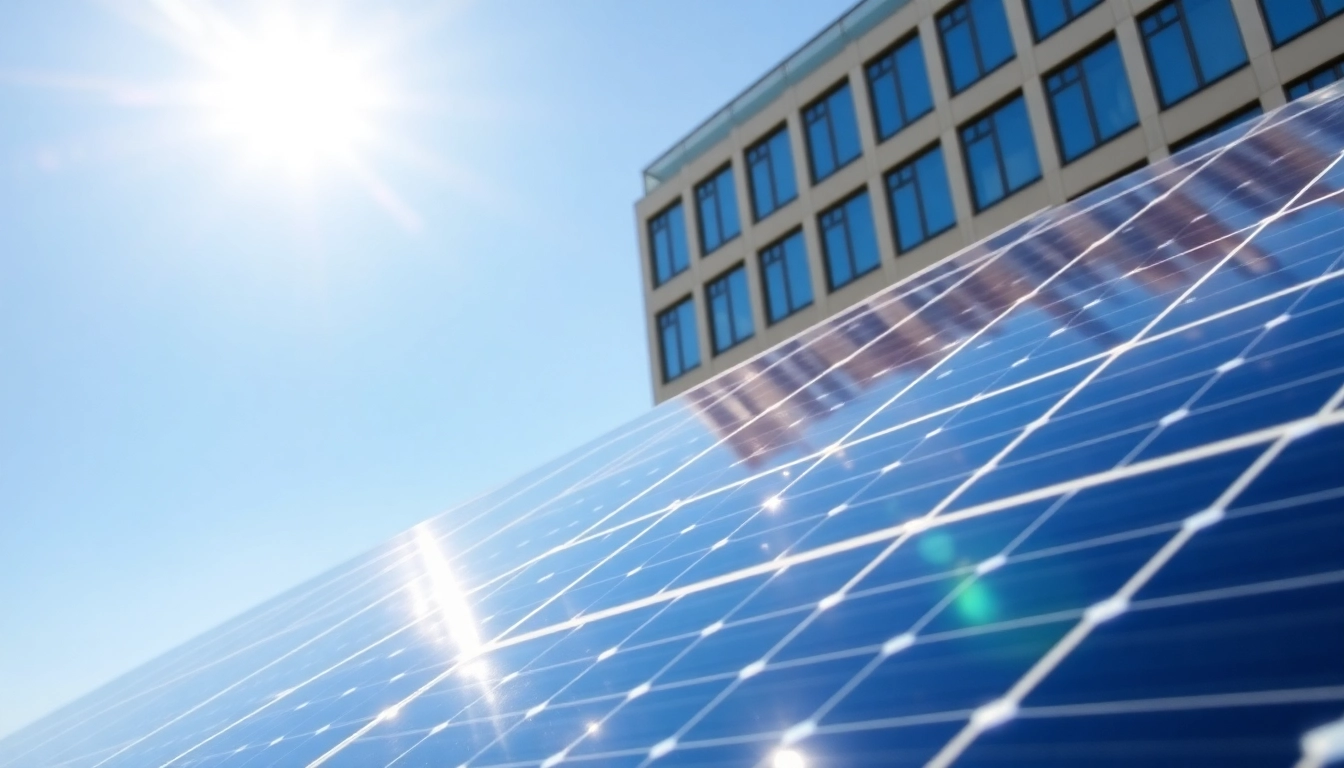
Understanding Commercial Solar in Derby
As businesses increasingly seek sustainable alternatives to traditional energy sources, Commercial solar Derby has become a preferred solution. This article delves into what commercial solar entails, its advantages, the factors that influence the decision to adopt solar solutions, and more.
What is Commercial Solar?
Commercial solar refers to solar energy systems designed specifically for businesses and large-scale facilities. This technology uses photovoltaic (PV) panels to convert sunlight into electricity, which can be used to power operations, reducing reliance on grid electricity. There are various types of commercial solar solutions available, such as ground-mounted systems, rooftop installations, and solar canopies. Each of these options can be tailored to suit different business needs, from small enterprises to large industrial complexes.
Benefits of Adopting Solar Solutions
The advantages of implementing solar solutions in a commercial setting are multifaceted:
- Cost Savings: Solar energy significantly lowers electricity bills. Once the initial investment is covered, the ongoing costs of solar energy can be much lower, offering businesses long-term savings.
- Environmental Impact: Utilizing solar energy reduces carbon footprint, helps combat climate change, and promotes a greener image for the business.
- Energy Independence: Generating your own electricity minimizes dependence on external energy suppliers and can protect against rising energy costs.
- Increased Property Value: Solar installations can add value to the property, making it more attractive to potential buyers or tenants.
Factors Influencing Commercial Solar Decisions
Several considerations play a critical role in how businesses choose to adopt commercial solar:
- Site Location: The geographical location, sun exposure, and weather patterns affect solar efficiency and production.
- Energy Needs: Understanding the energy requirements of the business will determine the size and type of solar system needed.
- Incentives and Tax Credits: Government programs and financial incentives can significantly influence the affordability of solar systems.
- Financing Options: Various financing methods like loans, leases, or power purchase agreements can make solar more accessible to businesses of all sizes.
Cost Analysis for Commercial Solar Derby
Initial Investment vs. Long-Term Savings
When evaluating commercial solar, one of the key aspects businesses focus on is the cost. The initial investment for solar systems can be substantial, including costs for equipment, installation, and potential structural modifications. However, these costs should be weighed against long-term savings on utility bills.
Typically, businesses will find that solar systems pay for themselves within several years due to the savings on energy costs, along with potential tax benefits and rebates available for solar installations. In many cases, solar panel warranties last for approximately 25 years, ensuring businesses can enjoy minimal operating costs over their lifespan.
Incentives and Financing Options Available
Solar energy adoption is further encouraged by a variety of financial incentives that can significantly reduce the upfront costs for businesses.
- Tax Credits: The Federal Investment Tax Credit (ITC) allows businesses to deduct a percentage of the cost of installing a solar energy system from their federal taxes.
- State and Local Incentives: Various states offer their tax credits and incentives that can reduce the cost burden of solar projects.
- Rebates: Some utility companies provide rebates for businesses converting to solar, which can further offset initial expenses.
- Financing Arrangements: Options like solar loans, leases, and power purchase agreements (PPAs) allow businesses to utilize solar without a large upfront payment, letting them pay over time while still benefiting from the savings.
Calculating ROI for Your Business
Determining the return on investment (ROI) for commercial solar systems involves analyzing the upfront costs versus the expected savings and incentives over time. Businesses should consider:
- The total cost of the installation (including equipment and labor).
- Expected monthly savings on energy bills.
- Available tax credits and rebates.
- The lifespan of the solar system and warranty terms.
Calculating these figures helps businesses understand when they can expect to break even on their investment and how much they will save in the long-term.
Choosing the Right Provider for Commercial Solar
Key Qualities to Look for in a Solar Installer
Finding the right solar installation partner is crucial for maximizing the benefits of implementing a commercial solar solution. Key factors to consider include:
- Experience and Reputation: Look for a company with a proven track record and positive customer testimonials. Check their history of completed installations in similar businesses.
- Licensing and Certifications: Ensure that the installer is licensed and certified to perform solar installations, which guarantees compliance with local regulations.
- Quality of Products: Assess the quality of the equipment they provide, including the warranties offered by manufacturers. Higher-quality panels may have a higher upfront cost but can lead to greater savings over time.
- Comprehensive Services: Opt for providers that offer end-to-end solutions, including consultation, installation, and ongoing maintenance and support.
Questions to Ask Solar Providers
Being prepared with questions can help ensure that businesses make informed decisions when choosing a solar provider. Key questions to consider include:
- What kind of warranties do you offer on solar equipment and installation?
- Can you provide references from past clients in similar industries?
- What financing options do you offer, and what do you recommend for my specific circumstances?
- How do you handle permits and inspections during the installation process?
Evaluating Contractor Proposals
When reviewing proposals from different solar contractors, consider the following aspects to ensure a sound investment:
- Cost Breakdown: Examine the cost structure to understand what you are paying for (equipment, installation, warranties).
- Performance Estimates: Look for projected energy outputs and savings calculations that are realistic and feasible.
- Support and Maintenance: Check provisions for after-installation support, including monitoring of the system’s performance.
- Timeline for Installation: Confirm installation timelines and milestones from the contractor’s proposal to ensure efficient progress.
Installation Process for Commercial Solar
Steps from Assessment to Activation
The process of installing commercial solar systems usually follows these steps:
- Initial Assessment: Conduct an energy audit to understand the business's energy consumption and site suitability.
- Proposal Development: Based on the assessment, the solar provider presents a customized proposal outlining system details and financial options.
- Permitting: Obtain necessary permits and approvals from local authorities before installation begins.
- Installation: Install solar panels and associated equipment, such as inverters and batteries, ensuring adherence to safety regulations.
- Final Inspection: After installation, a final inspection is conducted to ensure everything is functioning correctly.
- Activation: Upon successful inspections, the system is activated and begins generating power for the business.
Timeline Expectations for Installation
The timeline for commercial solar installation can vary based on factors such as system size, permitting processes, and contractor efficiency. On average, small to medium-sized installations might take anywhere from one to three months, while larger systems may require three to six months or more, depending on complexity.
Post-Installation Support and Maintenance
Once installation is complete, ongoing support is essential for the longevity and efficiency of the solar system. This typically includes:
- Monitoring: Continuous performance monitoring to identify and address any issues promptly.
- Regular Maintenance: Scheduled servicing to clean the panels and inspect equipment for wear or malfunction.
- Support Services: Access to customer support for troubleshooting and inquiries.
Future Trends in Commercial Solar Technology
Innovations Shaping the Solar Industry
The solar industry is continually evolving, with several promising trends shaping its future. Notable innovations include:
- Energy Storage Solutions: Advanced battery technology allows businesses to store excess energy for use during peak times or outages.
- Smart Solar Technology: Integration with smart grids and IoT (Internet of Things) enhances energy management and efficiency.
- Solar Tracking Systems: These systems can increase energy capture by adjusting to the sun's path, enhancing overall system performance.
Sustainability Practices for Businesses
Beyond just investing in solar, many businesses are adopting comprehensive sustainability practices, including:
- Energy Efficiency Upgrades: Implementing energy-efficient appliances, lighting, and HVAC systems to complement solar capabilities.
- Carbon Offsetting: Engaging in programs that offset their carbon footprint beyond what solar can provide.
- Corporate Social Responsibility: Embracing sustainable business practices that promote social good within their communities.
How Commercial Solar Impacts Local Economy
The adoption of commercial solar can significantly benefit local economies through job creation, investment in green technologies, and reduced energy costs for businesses. As more companies shift towards renewable energy, the demand for skilled labor in installation, maintenance, and engineering increases, fostering job growth in those sectors.
Moreover, local governments can benefit from increased energy independence and reduced strain on the grid, which can enhance resilience against energy price fluctuations and outages.