Introduction to Interior Design Dubai
Dubai, a city renowned for its architectural marvels and a blend of tradition and modernity, serves as a melting pot for innovative interior design. The specificity of interior design dubai caters to a diverse clientele, ranging from luxurious villas to high-end commercial spaces. As the demand for unique and aesthetically pleasing environments continues to grow, understanding the essence of Dubai's design landscape becomes essential for anyone looking to renovate or create an inspiring interior.
The Essence of Dubai's Design Landscape
In Dubai, interior design transcends mere aesthetics, evolving into a cultural tapestry woven from the city's rich history, cosmopolitan flair, and rapid modernization. The design philosophy here thrives on creativity, pushing boundaries beyond conventional norms while being anchored in the city's Middle Eastern heritage.
With the city’s iconic projects like the Burj Khalifa and the Palm Jumeirah, the architectural style here is characterized by grandeur and elegance. Interior design professionals leverage these elements, ensuring that each space resonates with both luxury and comfort, all while ensuring cultural authenticity.
Key Influences on Interior Design Dubai
Several factors shape the interior design landscape in Dubai:
- Cultural Heritage: Traditional Middle Eastern motifs and decor are often integrated into modern designs, preserving the essence of cultural identity.
- Globalization: The influx of international influences has resulted in the adoption of diverse design styles, making contemporary and eclectic designs increasingly popular.
- Innovation and Technology: Cutting-edge technology is being harnessed to enhance design functionality, creating smart homes that are both aesthetically and technologically advanced.
The Importance of Cultural Elements in Design
Emphasizing cultural elements is crucial in creating interiors that resonate with the local populace. Elements such as intricate arabesque patterns, traditional textiles, and local craftsmanship are often incorporated to give spaces a distinctive charm. In Dubai, it is common to see a mixture of contemporary furnishings and traditional artifacts that bridge the past and present, contributing to a coherent narrative of the space.
Popular Styles in Interior Design Dubai
Modern Minimalism in Dubai Interiors
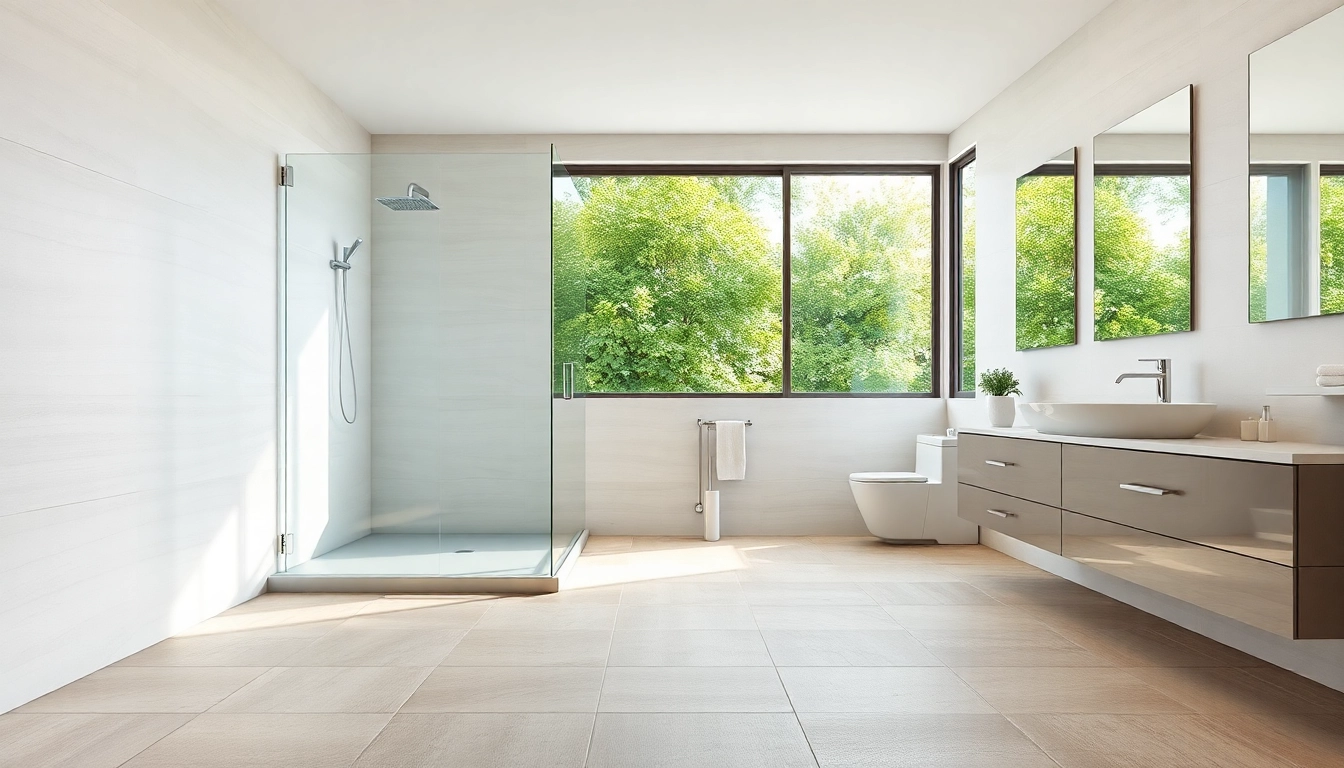
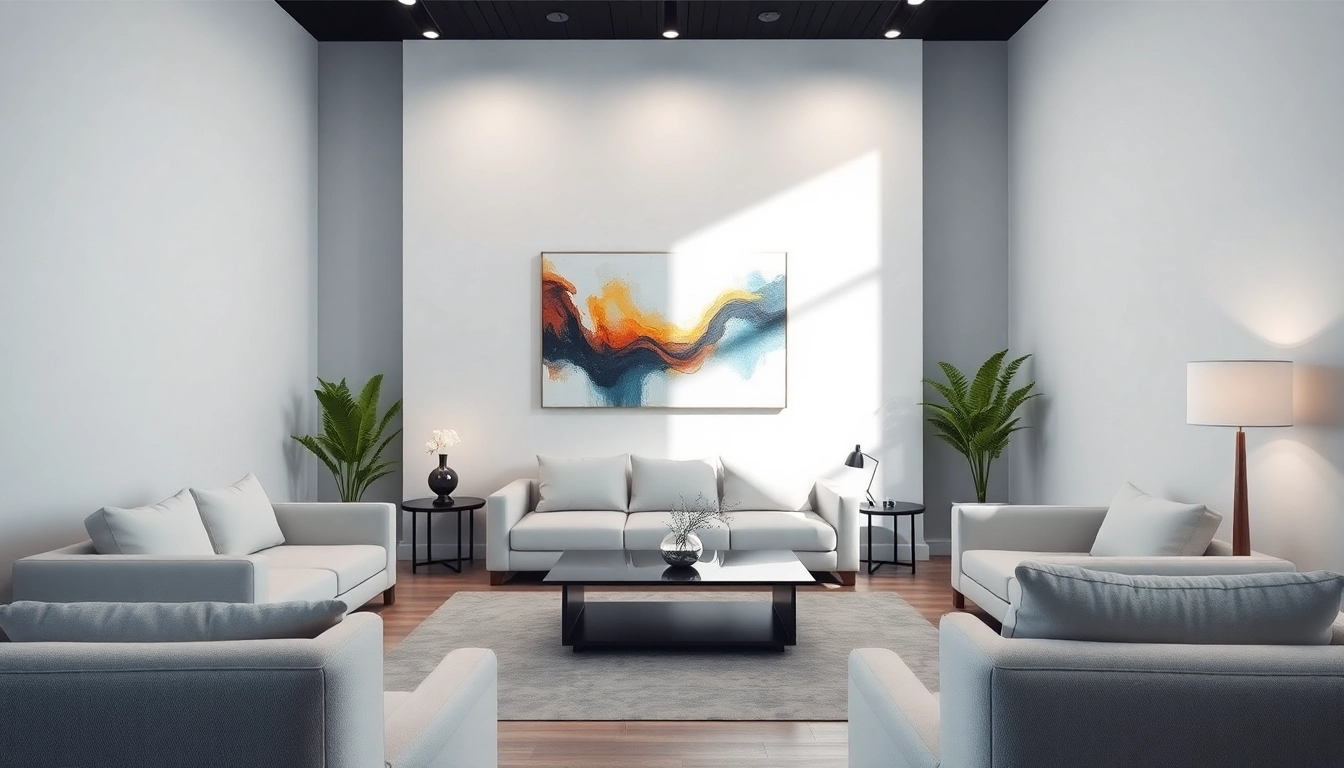
Modern minimalism has emerged as a popular trend among Dubai’s interior designers, characterized by clean lines, open spaces, and a palette of neutral tones. This style emphasizes functionality and simplicity, allowing each element within the space to enhance rather than clutter the overall environment. By utilizing high-quality materials and strategic lighting, minimalist designs can evoke a sense of tranquility amidst the bustling urban backdrop of Dubai.
Luxury and Opulence: The Dubai Signature
Dubai is synonymous with luxury, and this reflects prominently in its interior design. High-end materials such as marble, silk, and gold accents are commonly used to create lavish interiors that exude sophistication. Custom-made furnishings, elaborate chandeliers, and bespoke art pieces further elevate these spaces, ensuring they make a bold statement. Luxury interiors in Dubai are not just about aesthetics; they are a reflection of lifestyle and status.
Eclectic Designs: Blending Tradition and Modernity
The eclectic style is gaining popularity as it allows for creative freedom by combining various influences and styles. In Dubai, this often means fusing contemporary design with traditional Arabic elements, resulting in spaces that tell a unique story. This approach offers designers the flexibility to showcase individuality and personal style, appealing to clients who desire something truly distinctive.
Choosing an Interior Designer in Dubai
What to Look for in an Interior Designer
Selecting the right interior designer is a crucial step in the design process. When searching for a designer, consider their experience, portfolio, and understanding of different styles. Look for professionals adept at managing projects of similar scale and complexity to your own needs, ensuring they have the capacity to deliver your vision effectively.
Assessing Portfolios and Previous Works
A designer’s portfolio is not just a reflection of their style but also a roadmap of their professionalism and skills. When assessing portfolios, pay close attention to the diversity of designs and their capacity to execute varied themes effectively. Client testimonials and completed projects can provide insight into the designer's reliability, creativity, and attention to detail.
Understanding Design Fees and Budgeting
Transparency in pricing is vital when hiring an interior designer. Designers may charge fixed fees, hourly rates, or a percentage of the total project cost. Make sure to discuss and clarify any ambiguities upfront to avoid financial surprises later. Additionally, establish a clear budget for your project—this will help the designer create a plan that aligns with your financial expectations.
Trends Shaping the Future of Interior Design Dubai
Sustainable and Eco-Friendly Design Practices
As environmental awareness grows, sustainable design is becoming an integral part of interior design in Dubai. Designers are increasingly turning to eco-friendly materials, energy-efficient solutions, and sustainable sourcing practices. Incorporating elements like natural light, green walls, and recyclable materials into designs helps reduce environmental impact while creating healthier living spaces.
Smart Homes and Technological Integration
In the era of smart technology, integrating automated systems into residential and commercial spaces is becoming commonplace. These advancements allow for enhanced control over lighting, temperature, and security, contributing to more efficient and comfortable living conditions. As technology continues to evolve, interior designers must stay abreast of the latest innovations to offer smart solutions that benefit their clients.
Luxury Design Trends in Residential Spaces
Residential spaces in Dubai are witnessing an upswing in luxury design elements, with features such as home wellness solutions, personalized spaces, and high-tech amenities. Homeowners are increasingly looking for comfort and convenience, often opting for designs that promote wellness through nature-inspired elements, including greenery and water features, fostering a serene environment.
Frequently Asked Questions about Interior Design Dubai
What are the average costs for interior design in Dubai?
Costs for interior design in Dubai can vary widely based on the size and scope of the project. On average, studio apartments may cost between AED 10,000 - 25,000, while larger villas can range from AED 80,000 - 250,000+ depending on specific requirements.
How long does a typical interior design project take?
Project timelines can vary depending on the complexity and scale of the project. Generally, a straightforward apartment redesign can take anywhere from 3 to 8 weeks, while larger and more complex projects may extend to several months.
Can I incorporate my personal style into the design?
Absolutely! A good interior designer will work collaboratively with you to incorporate your personal style, preferences, and needs into the overall design, ensuring the final result truly reflects your vision.
Is it possible to design on a budget in Dubai?
Yes, designing on a budget is possible in Dubai. Discuss your budget openly with your designer, who can help prioritize elements and suggest cost-effective solutions, including sourcing materials locally or opting for simple yet impactful decor.
What factors should I consider while renovating?
When renovating, consider the purpose of the space, your lifestyle needs, the flow of movement, and budget constraints. It is also essential to stay attuned to market trends and innovations to create spaces that are not only functional but also contemporary.