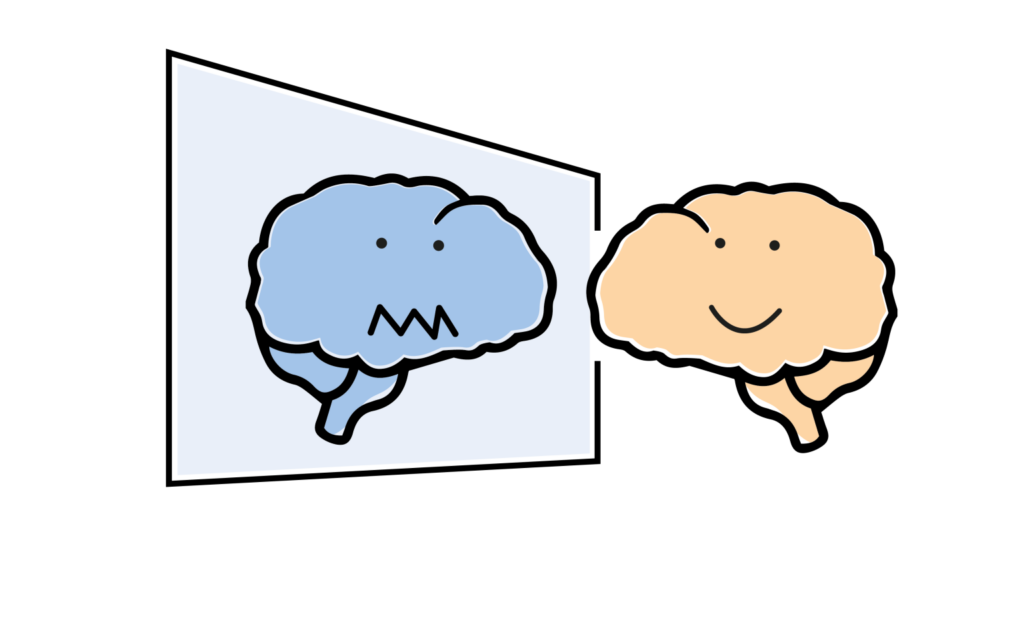
Emotional wellbeing is not only vital for individual mental health but also plays a central role in the quality and stability of relationships. Healthy relationships require awareness, regulation, and empathy, all of which are strengthened through Emotional wellbeing practices. Whether in romantic partnerships, family dynamics, friendships, or professional connections, the ability to manage one’s emotions and respond thoughtfully fosters trust, communication, and mutual respect.
Emotional wellbeing strategies provide tools to navigate relational challenges, reduce conflict, and create meaningful connections. By cultivating self-awareness, empathy, and emotional regulation, individuals can approach relationships with clarity, patience, and resilience. These strategies transform interactions from reactive and stressful exchanges into opportunities for growth, understanding, and connection.
Understanding the Link Between Emotional Wellbeing and Relationships
Healthy relationships are built on a foundation of emotional awareness and regulation. Emotional wellbeing shapes how individuals perceive, interpret, and respond to the emotions of themselves and others. When emotional wellbeing is neglected, misunderstandings, conflict, and emotional distance often arise.
Emotional Wellbeing as a Relational Foundation
Emotional wellbeing equips individuals with the capacity to manage their own emotions while remaining attuned to others. It fosters balance, patience, and resilience—qualities essential for maintaining constructive interactions. Strong emotional wellbeing allows individuals to approach disagreements with calm and rationality rather than defensiveness or impulsivity.
The Impact of Emotional Dysregulation on Relationships
Emotional dysregulation can disrupt relationships by creating cycles of conflict, withdrawal, or reactive behavior. Overreacting, suppressing feelings, or failing to communicate clearly may lead to misunderstanding and resentment. Emotional wellbeing strategies reduce the likelihood of these patterns by enhancing awareness, self-regulation, and empathy.
Developing Emotional Awareness for Better Connections
Emotional awareness is the cornerstone of both personal wellbeing and relational health. Understanding one’s own emotions and recognizing how they affect behavior enables more thoughtful and constructive engagement with others.
Identifying Personal Emotional Patterns
Recognizing recurring emotional reactions is essential for relational health. Triggers such as criticism, unmet expectations, or stress can provoke strong emotional responses. Emotional wellbeing strategies involve monitoring these patterns to respond thoughtfully rather than reactively.
By observing patterns, individuals can anticipate challenging moments and implement strategies that preserve calm and communication. This proactive approach strengthens relationships by reducing conflict and promoting understanding.
Understanding Emotional Responses in Others
Empathy and emotional attunement require noticing and interpreting the emotions of others. Emotional wellbeing enhances sensitivity to nonverbal cues, tone of voice, and behavioral signals.
Accurately recognizing the emotional states of others allows for more appropriate and compassionate responses, fostering connection, trust, and cooperation in relationships.
Emotional Regulation Strategies for Healthy Interactions
Emotional regulation is critical in maintaining balance during relational stress. It allows individuals to respond constructively, maintain boundaries, and prevent conflicts from escalating.
Practicing Emotional Pauses
An emotional pause involves intentionally delaying a response to process feelings before acting. This strategy prevents impulsive reactions, reducing misunderstandings and conflict escalation.
Emotional pauses are particularly effective in high-stress interactions, providing time to assess the situation, consider perspectives, and choose a measured response. Consistent practice enhances relational stability and emotional maturity.
Using Mindful Communication
Mindful communication combines awareness of one’s emotions with attentive listening and deliberate expression. Emotional wellbeing strategies encourage using “I” statements, clarifying intentions, and responding without judgment.
Mindful communication strengthens relationships by promoting understanding, reducing defensiveness, and fostering emotional connection. It transforms dialogue into a tool for collaboration rather than confrontation.
Grounding Techniques During Conflict
During emotionally charged interactions, grounding techniques such as deep breathing or sensory focus help maintain composure. Emotional wellbeing strategies incorporate these tools to prevent escalation and promote thoughtful responses.
Grounding supports emotional balance, allowing individuals to engage constructively, remain present, and avoid reactive behavior that may harm relational trust.

Cognitive Strategies for Relational Emotional Wellbeing
Cognitive approaches complement behavioral strategies by shaping thought patterns that influence relational dynamics. Managing assumptions, interpretations, and expectations enhances emotional balance and relationship health.
Challenging Negative Assumptions About Others
Assumptions about the motives or intentions of others can trigger emotional reactivity. Emotional wellbeing strategies include examining these assumptions for accuracy and considering alternative interpretations.
By challenging negative assumptions, individuals reduce unnecessary conflict and foster more empathetic and balanced interactions, strengthening relational bonds.
Reframing Difficult Situations
Reframing involves interpreting relational challenges in a constructive light. For example, viewing a disagreement as an opportunity for growth rather than a threat to the relationship shifts focus from blame to understanding.
This cognitive strategy supports calmer responses, enhances problem-solving, and contributes to long-term relational resilience.
Managing Rumination and Overthinking
Overanalyzing interactions can heighten emotional reactivity and strain relationships. Emotional wellbeing tools encourage redirecting attention, practicing self-compassion, and addressing concerns directly rather than internally ruminating.
Reducing rumination allows for clearer communication and prevents small issues from escalating into larger conflicts, maintaining harmony in relationships.
Building Empathy and Emotional Connection
Empathy is central to relational health and emotional wellbeing. Understanding and validating the emotions of others fosters trust, cooperation, and intimacy.
Active Listening as an Emotional Wellbeing Tool
Active listening involves giving full attention to the speaker, reflecting understanding, and avoiding interruptions or judgment. Emotional wellbeing strategies emphasize listening not only to words but to the emotions behind them.
Active listening strengthens emotional connection, reduces misunderstandings, and demonstrates respect, all of which support healthier, more fulfilling relationships.
Perspective-Taking Exercises
Perspective-taking involves intentionally imagining the experiences, feelings, and motivations of others. This practice enhances empathy, reduces bias, and promotes compassionate responses.
Incorporating perspective-taking into daily interactions fosters mutual understanding and reduces the likelihood of conflict or emotional withdrawal.
Balancing Self-Expression and Responsiveness
Healthy relationships require expressing one’s own needs while responding to others. Emotional wellbeing strategies teach balancing assertive communication with empathetic listening.
This balance enhances relational satisfaction by ensuring needs are met without compromising understanding or connection.
Self-Compassion as a Relational Strategy
Self-compassion underpins relational emotional wellbeing. Individuals who respond kindly to their own emotions are better equipped to respond to others calmly and empathetically.
Reducing Defensive Reactions
Self-compassion reduces defensiveness, a common source of relational conflict. By accepting personal vulnerabilities and mistakes without harsh judgment, individuals can engage in discussions more openly.
This emotional security allows for healthier dialogue, fewer conflicts, and stronger relational bonds.
Supporting Patience and Understanding
Practicing self-compassion encourages patience and tolerance, both essential for sustaining relationships. Emotional wellbeing strategies include acknowledging personal emotional limits and responding to stressors with kindness rather than frustration.
Patience cultivated through self-compassion translates into more measured and understanding responses in relational interactions.
Lifestyle Practices That Enhance Relational Emotional Wellbeing
Daily lifestyle habits influence emotional regulation and relational dynamics. Emotional wellbeing strategies emphasize routines that support balance, calmness, and clarity in interactions.
Prioritizing Rest and Recovery
Adequate sleep and scheduled recovery periods strengthen emotional regulation, reducing irritability and emotional overreaction. Well-rested individuals maintain composure, patience, and clarity in their interactions.
Prioritizing rest enhances relational wellbeing by creating a stable foundation for emotional balance and thoughtful communication.
Incorporating Physical Activity
Movement and exercise help release tension, regulate stress hormones, and maintain emotional equilibrium. These physiological benefits translate into calmer emotional responses within relationships.
Regular physical activity reinforces resilience and reduces the likelihood of reactive behaviors that may strain connections.
Creating Supportive Environments
Environments that reduce stress, such as organized, quiet, and aesthetically pleasing spaces, contribute to emotional stability. Emotional wellbeing strategies include cultivating personal and shared spaces that encourage calm and relational harmony.
Supportive environments complement internal tools, enabling consistent, healthy emotional responses in relational contexts.
Long-Term Benefits of Emotional Wellbeing in Relationships
Practicing emotional wellbeing strategies strengthens both individual resilience and relational health over time. Individuals experience improved communication, reduced conflict, and deeper emotional connections.
Enhancing Trust and Intimacy
Calmer, regulated responses foster trust by demonstrating reliability, patience, and understanding. Emotional wellbeing strategies encourage transparency, empathy, and accountability, which strengthen relational intimacy.
Supporting Conflict Resolution
Effective conflict resolution relies on emotional regulation and cognitive reframing. Emotional wellbeing strategies provide tools for navigating disagreements constructively, preserving relationships rather than escalating tension.
Promoting Mutual Growth
Relationships thrive when both parties engage in self-awareness, emotional regulation, and empathy. Emotional wellbeing strategies support mutual growth by encouraging reflection, understanding, and adaptability in interactions.
Conclusion
Emotional wellbeing strategies are essential for cultivating healthier relationships. By developing emotional awareness, regulation, empathy, and self-compassion, individuals can respond thoughtfully rather than reactively. Cognitive and behavioral tools, mindfulness, and lifestyle practices reinforce relational resilience, fostering trust, intimacy, and mutual respect. Consistent application of these strategies enables individuals to navigate challenges with clarity, patience, and balance, creating stronger, more fulfilling relationships over time. Stay connected with the latest trends—start on our homepage.
FAQs
How does emotional wellbeing improve relationships?
Emotional wellbeing improves relationships by enhancing awareness, regulation, and empathy. Individuals with strong emotional wellbeing can respond calmly, communicate effectively, and maintain healthy boundaries, which reduces conflict and strengthens connection.
Can emotional wellbeing strategies prevent recurring conflicts?
Yes. By managing reactivity, practicing mindful communication, and applying cognitive reframing, emotional wellbeing strategies reduce misunderstandings and promote constructive conflict resolution. This decreases the likelihood of recurring relational conflicts.
Are these strategies effective for both personal and professional relationships?
Absolutely. Emotional wellbeing strategies, such as emotional awareness, self-compassion, and active listening, are applicable in all types of relationships. They enhance communication, reduce stress, and foster trust and collaboration in both personal and professional contexts.