Understanding the Benefits of a Shower Screen Door
A shower screen door can transform not just the functionality of your bathroom but also its overall aesthetics. As the first line of defense against spills and splashes, shower screen doors provide a crucial role in maintaining a clean and dry bathroom. They enhance the user's bathing experience while offering numerous practical benefits. Below, we will explore why you should consider installing a shower screen door, the various design options available, the installation process, maintenance tips, and some commonly asked questions.
Why Choose a Shower Screen Door?
Choosing a shower screen door over traditional shower curtains has become increasingly popular, and for good reason. Shower screens are not only visually appealing but also contribute to a more hygienic and practical bathroom environment. They offer durability and effective water containment, which can help prevent issues such as mold and mildew.
Space-Saving Designs
One of the primary advantages of a shower screen door is its space-saving qualities. Unlike bulky shower curtains which can take up additional space when pulled open, shower screens can sit flush against the wall or shower enclosure. This makes them an ideal choice for smaller bathrooms while maximizing the available space. Various designs, such as bi-fold or sliding screens, can also help in tight spaces.
Enhanced Aesthetics and Style
Shower screen doors come in a variety of styles, materials, and finishes which can add a touch of elegance and sophistication to any bathroom decor. They serve as a focal point, enhancing the visual aesthetics of the space. By choosing the right design, whether modern, minimalist, or classic, you can seamlessly integrate the shower screen door into your bathroom theme.
Types of Shower Screen Doors Available
Framed vs. Frameless Shower Screen Door
The choice between framed and frameless shower screen doors depends on personal preferences and bathroom design. Framed doors have a metal frame around the glass that provides strength and stability, making them a popular choice for heavier materials.
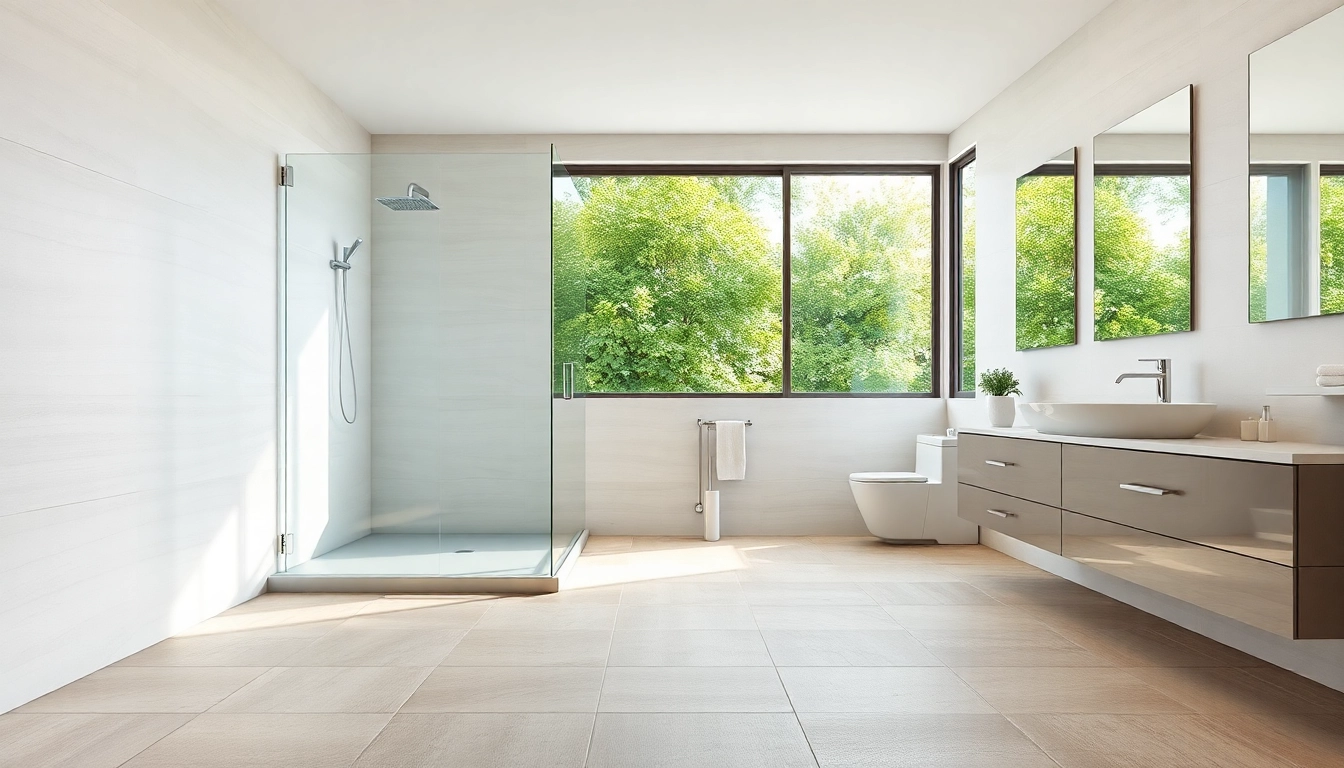
On the other hand, frameless doors present a sleek, modern look and are made from thicker glass that is tempered for safety. They create an illusion of space, which can be particularly advantageous in smaller bathrooms. However, frameless doors may require more meticulous installation to ensure proper sealing and avoid leaks.
Sliding vs. Hinged Designs
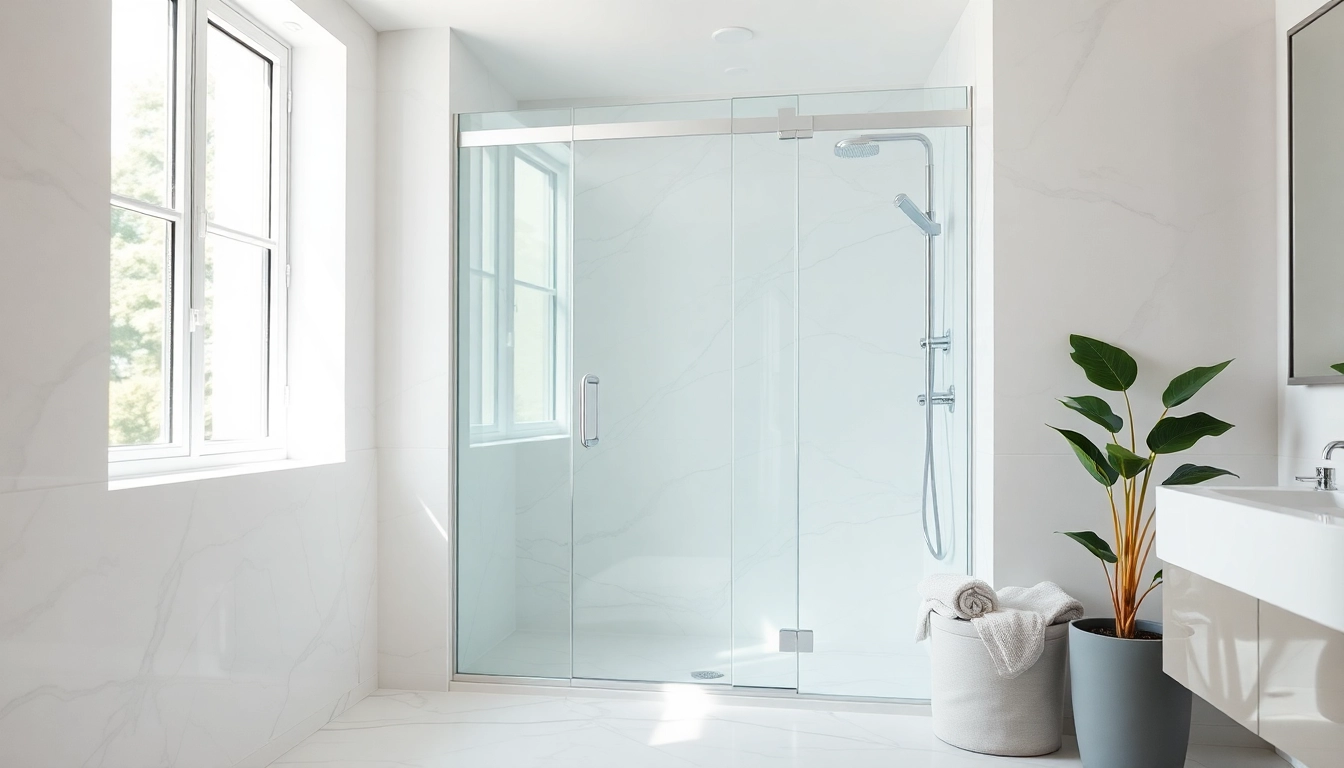
Sliding shower screen doors open by gliding along the enclosure, which can save space and provide ease of access. This design is ideal for smaller bathrooms where a swinging door might be impractical. Alternatively, hinged shower screen doors open outwards, allowing for easy entry and exit. The choice between these two styles will largely depend on your available space and personal preference.
Materials: Glass Options for Your Shower Screen Door
Shower screen doors are primarily made from glass, but there are variations to consider. Regular tempered glass is the most common option, providing a balance of safety and aesthetics. For added durability, you might consider laminated glass, which is designed to hold together when shattered. Additionally, frosted or patterned glass can provide privacy while adding a decorative touch. When selecting glass, make sure to consider the thickness and finish, as they can significantly impact both safety and design.
Installation Process of a Shower Screen Door
Tools Required for Installation
Installing a shower screen door involves several tools, including a drill, screws, a level, a measuring tape, and silicone sealant. Before getting started, make sure to gather all necessary tools to ensure a smooth installation process. Follow the manufacturer's guidelines for specific requirements and tools.
Step-by-Step Installation Guide
- Measure Your Space: Before purchasing your door, measure the height and width of the opening to ensure an accurate fit.
- Prepare the Area: Remove any old shower fixtures, and clean the area thoroughly.
- Install the Bottom Track: Use a level to ensure that the track is straight and secure it using screws.
- Hang the Door: Attach the door to the top track, making sure it glides correctly if it's a sliding door.
- Seal Joints: Apply silicone to all seams and joints to prevent leaking.
- Test the Door: Open and close the door a few times to ensure it operates smoothly and make adjustments if necessary.
Common Mistakes to Avoid
Installation mistakes can lead to leaks and malfunctions. Common errors include incorrect measurements, failing to use a level, and using subpar sealant. To avoid these issues, take your time measuring and follow the installation guide meticulously. Don’t hesitate to consult professionals if you're unsure about any steps.
Maintenance Tips for Your Shower Screen Door
Cleaning Techniques for Clear Glass
To keep your shower screen door sparkling, regular cleaning is important. Use a gentle glass cleaner or a mixture of vinegar and water to avoid streaks. A microfiber cloth or squeegee can help prevent buildup and maintain clarity. Regular care prevents soap scum, hard water stains, and grime.
Preventing Mold and Mildew
Moist environments are breeding grounds for mold and mildew. To thwart their growth, ensure your bathroom is well-ventilated. After showering, leave the door open and run an exhaust fan to minimize humidity levels. Consider using a mold-resistant sealant when installing your shower screen door.
Maintaining Hardware and Seals
The hardware and seals on your shower screen door require routine checks and maintenance. Inspect hinges and rollers for wear and ensure seals are intact to prevent leaks. Lubricate moving parts occasionally to keep them functioning smoothly.
Frequently Asked Questions about Shower Screen Doors
What are the most common materials for shower screen doors?
The most common materials include tempered glass, laminated glass, and acrylic. Tempered glass is preferred for durability and safety due to its resistance to thermal stress.
How do I clean my shower screen door without scratching it?
Use non-abrasive cleaners along with a soft cloth or sponge. Vinegar and water solutions are effective and safe for glass surfaces.
Can shower screen doors be customized to fit unique spaces?
Yes, many manufacturers offer customized options to accommodate unique bathroom layouts. Measurements are critical for a proper fit.
What is the average cost of installing a shower screen door?
Installation costs can vary widely based on design and materials but typically range from £200 to £600, excluding any additional plumbing adjustments.
How can I prevent water from leaking from my shower screen door?
Ensure seals and tracks are correctly installed and regularly maintained. Using a high-quality silicone sealant during installation also helps in preventing leaks.