Understanding the Microwave Oven
What is a Microwave Oven?
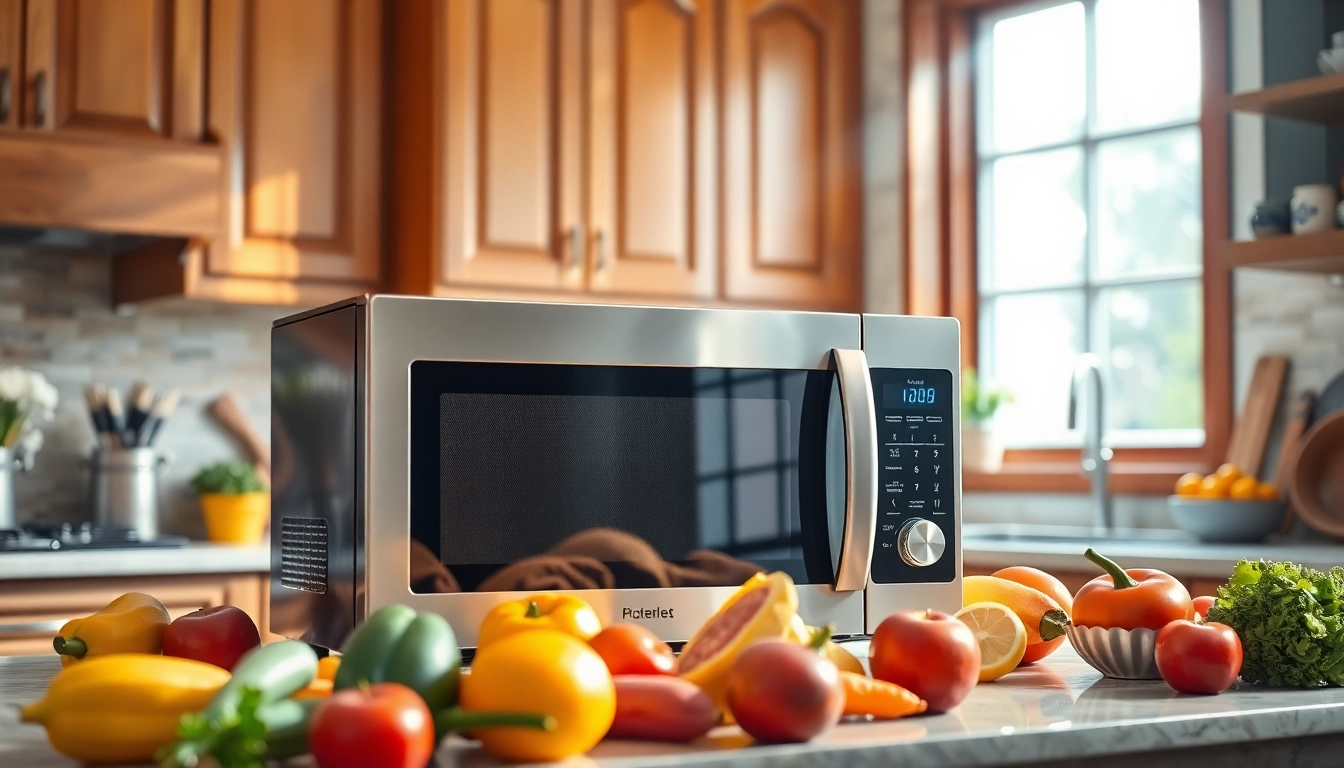
A microwave oven is a kitchen appliance that uses electromagnetic radiation to heat and cook food. It operates at microwave frequencies, allowing quick and efficient cooking, defrosting, and reheating. Unlike traditional ovens, which cook food using convection heat, microwave ovens utilize a different approach, making them essential in modern cooking.
How Microwave Ovens Work
The core principle behind a microwave oven is a process called dielectric heating. This involves the absorption of microwave radiation by food, which excites water molecules within the food, generating heat. This heat cooks the food from the inside out, resulting in faster cooking times compared to conventional methods. Microwave ovens generally include a magnetron, a component that generates microwaves, and a turntable to ensure even distribution of heat.
Different Types of Microwave Ovens
Microwave ovens come in various types to cater to different cooking needs. The main categories include:
- Countertop Microwaves: These compact units are designed for easy setup on kitchen counters. They are versatile and suitable for small kitchens or limited spaces.
- Over-the-Range Microwaves: This type doubles as a range hood, installing above the stove to save space while providing a convenient cooking solution.
- Built-In Microwaves: These are designed to fit seamlessly into cabinetry, providing a clean and integrated look in modern kitchens.
- Convection Microwaves: Combining microwave and convection cooking technologies, these ovens allow for browning and crisping, making them a versatile cooking option.
Choosing the Right Microwave Oven
Factors to Consider When Buying
When selecting a microwave oven, consider the following factors to find the best fit for your needs:
- Size: Choose a microwave that fits your kitchen space and cooking habits. Make sure to measure the area where you plan to place it.
- Power: The wattage will determine cooking speed and efficiency. Higher wattage gets food cooked faster, while lower wattage may require longer cooking times.
- Features: Look for features such as preset cooking programs, defrost functions, and safety locks, which can enhance the appliance's functionality.
- Price: Determine your budget, as prices for microwave ovens can vary significantly based on features, brand, and type.
Top Features to Look For
Certain features can greatly enhance your cooking experience with a microwave oven. Some top features to consider include:
- Inverter Technology: Allows for consistent cooking power, leading to more evenly cooked food.
- Sensor Cooking: Automatically adjusts cooking time and power based on the moisture level of the food.
- Eco Mode: Reduces energy consumption, making your cooking more environmentally friendly.
- Child Safety Lock: Ensures that children cannot accidentally operate the oven, providing peace of mind to parents.
Price Range and Budgeting
Microwave oven prices can range from around $50 for basic models to over $1,000 for high-end models with advanced features. Generally, countertop microwaves tend to be the most affordable, while convection and built-in types can be pricier due to their additional functionalities. When budgeting for a microwave, consider not only the purchase price but also potential long-term energy costs and maintenance expenses.
Using Your Microwave Oven Efficiently
Basic Cooking Techniques
Microwave ovens can simplify cooking. Here are basic techniques to maximize their use:
- Reheating: To reheat food, cover it to retain moisture and heat. Stir or rotate food halfway through to promote even heating.
- Defrosting: Use the defrost setting to gradually thaw frozen food without cooking it.
- Cooking: Experiment with cooking vegetables, proteins, and grains. Start with shorter cooking times to prevent overcooking.
Microwave Recipes for Quick Meals
Utilizing a microwave oven opens a world of quick and easy meal options. Here are a few suggestions:
- Microwave Scrambled Eggs: Whisk eggs with a splash of milk, season, and microwave in intervals, stirring in between.
- Steamed Vegetables: Place chopped vegetables in a bowl with a little water, cover, and microwave until tender.
- Microwave Mug Cake: Mix cake ingredients in a mug and microwave for a quick and satisfying dessert.
Tips for Even Heating
To achieve even heating and cooking, follow these tips:
- Use microwave-safe containers to prevent uneven cooking.
- Stir and rotate food during cooking to distribute heat evenly.
- Cover dishes to trap steam and facilitate cooking.
Maintaining Your Microwave Oven
Regular Cleaning Methods
Maintaining cleanliness in your microwave oven is essential not only for hygiene but also for functionality. Use a damp cloth and mild detergent to wipe down interiors and exteriors. For tough stains, mix water and vinegar in a bowl and microwave for a few minutes; the steam will help loosen grime.
Common Troubleshooting Issues
Even the best microwave ovens may face issues. Some common problems and solutions include:
- Uneven Cooking: If food heats unevenly, ensure the turntable is functioning and consider stirring food midway through cooking.
- Strange Noises: Sounds may indicate issues with the turntable or magnetron. If unsure, consult a professional.
- Odors: If your microwave smells, clean it regularly and place a bowl of vinegar or lemon water inside to neutralize odors.
Extending the Lifespan of Your Microwave Oven
To ensure your microwave oven lasts, regularly inspect and clean the appliance. Avoid slamming the door and always use microwave-safe containers. Annual professional check-ups can help detect any underlying issues.
Frequently Asked Questions about Microwave Ovens
What are the health risks associated with microwave ovens?
Microwave ovens are generally safe when used correctly. Concerns about radiation exposure are minimal, as microwaves are contained during operation, and proper use mitigates risks.
Can microwave ovens replace traditional ovens?
While microwave ovens can cook many foods quickly and effectively, they may not achieve the same results for baking or browning, typical of traditional ovens.
How energy-efficient are microwave ovens?
Microwave ovens are generally energy-efficient, as they cook food faster than conventional ovens and therefore use less power for reheating or cooking small portions.
What types of cookware can be used in a microwave oven?
Use microwave-safe glass, ceramic, and certain plastics in a microwave. Avoid metal or non-microwave-safe materials, as they can cause sparks and fires.
How do I prevent my microwave oven from smelling?
Regular cleaning, using a bowl of water with lemon for odor removal, and thoroughly wiping the appliance will keep it smelling fresh and clean.