

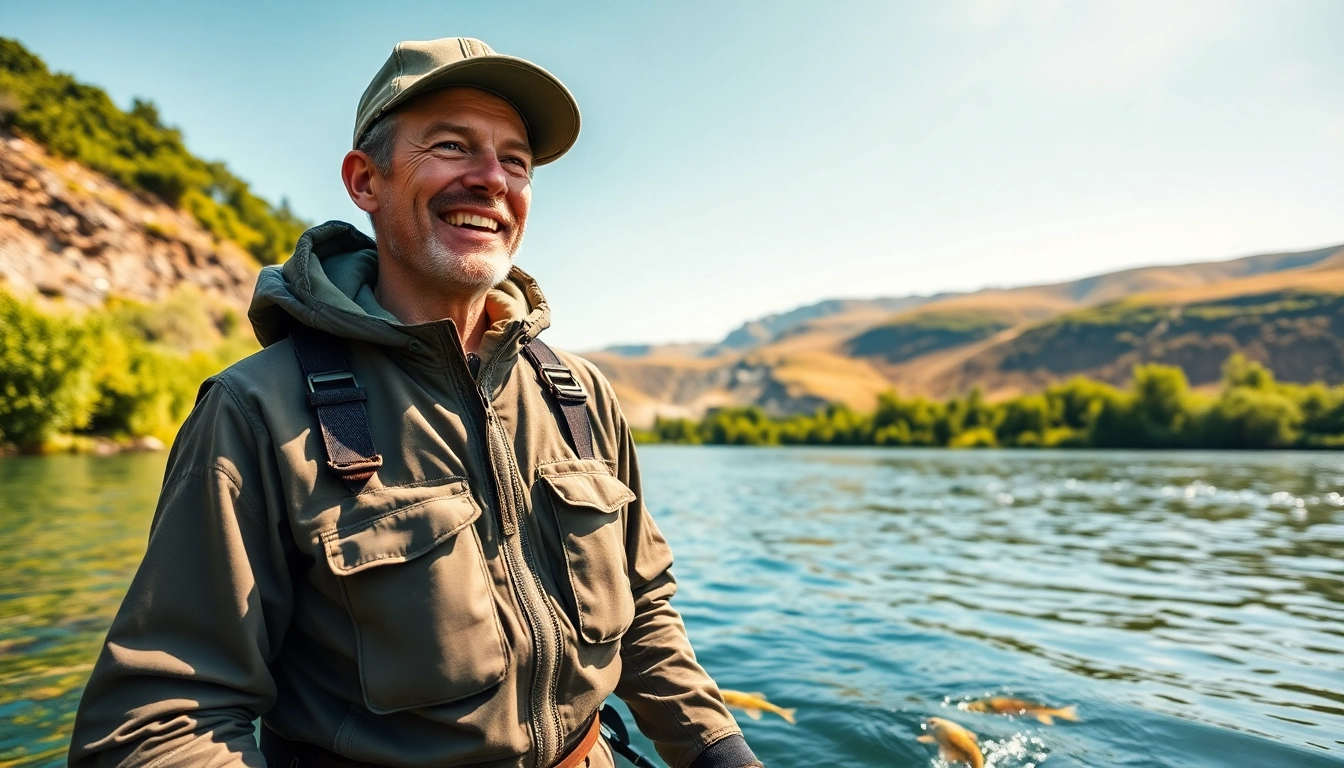
Understanding Fly Fishing Apparel Basics
What is Fly Fishing Apparel?
Fly fishing apparel comprises specialized clothing designed to enhance the comfort, performance, and protection of anglers during their fishing experience. Unlike regular clothing, fly fishing apparel integrates various features that cater to the unique challenges faced while casting lines, wading through waters, or braving the elements. This apparel ensures that anglers can focus on their techniques and enjoy nature without worrying about discomfort or hazards.
Key Features of Effective Fly Fishing Apparel
Effective fly fishing apparel shares several critical features, making it suitable for varying fishing environments: moisture-wicking fabrics, which draw sweat away from the body; quick-dry materials that enable the garment to dry rapidly after exposure to water; UV protection to shield the skin from harmful sun rays; and reinforced areas that enhance durability against wear and tear from rugged conditions. Moreover, mobility is crucial, so most apparel is designed with flexibility and stretchability in mind to support the fluid movements required for casting and reeling.
Choosing Material for Comfort and Durability
The choice of materials in fly fishing apparel significantly influences an angler’s experience. Fabrics such as polyester and nylon are both lightweight and durable, making them ideal for shirts and pants. For insulation during colder weather, materials like fleece or down offer excellent warmth without excessive bulk. It’s also essential to consider waterproof materials such as Gore-Tex or other breathable membranes that allow perspiration but keep water out. By prioritizing these elements, anglers can ensure they have apparel that lasts longer and performs better under various conditions.
Different Types of Fly Fishing Apparel
Shirts and Jackets: Finding the Right Fit
Finding the right shirts and jackets is paramount in fly fishing apparel. Long-sleeved, breathable shirts offer sun protection and moisture-wicking capabilities, critical for summer outings. Anglers should look for shirts accompanied by features like roll-up sleeves with button tabs and ventilation zones to increase airflow. Jackets should ideally be lightweight yet waterproof, with ample pockets for essentials, adjustable cuffs, and hoods for added protection against rain and wind. A proper fit is crucial to allow full range of motion while casting and maneuvering without restriction.
Pants and Waders: Essential for Comfort
Pants and waders represent another vital category of fly fishing apparel. Fishing pants often come equipped with pockets, reinforced knees, and water-repellent fabrics. Anglers should select a size that allows for layering without restricting movement. Waders, both breathable and neoprene types, provide insulation and allow anglers to wade into deeper waters. When choosing waders, fit and comfort are essential, so ensuring proper sizing is necessary for effective and safe fishing experiences.
Accessories: Hats, Gloves, and More
Accessories complete the fly fishing apparel ensemble, enhancing comfort and protection. Hats with wide brims shield against the sun, while gloves—whether full-fingered or fingerless—provide grip and protect hands during casting and handling fish. Additionally, polarized sunglasses enhance vision by reducing glare from water surfaces, allowing for better sighting of fish. Other accessories to consider include buff-style neck gaiters and lightweight, breathable socks that manage moisture effectively.
Climate Considerations When Selecting Fly Fishing Apparel
Catering Your Apparel to Weather Conditions
When selecting fly fishing apparel, climatic conditions play a crucial role. For warmer weather, lighter fabrics that promote breathability and sun protection will be advantageous. Conversely, high-quality insulation and water-resistant materials are necessary for cold or rainy environments. Hence, it’s essential to understand impending weather conditions and tailor your apparel choices accordingly to ensure a comfortable and productive outing.
Summer vs Winter Apparel Needs
In summer, lightweight, moisture-wicking clothing is vital to combat heat while ensuring adequate sun protection. Investing in UV-protective fabrics can help reduce the risk of sunburn and overheating. In contrast, winter fly fishing apparel necessitates warmth through thermal layering, insulating fabrics, gloves, and thermal socks. Keeping warm is essential, especially during long periods of inactivity while waiting for fish to bite.
Layering Techniques for Optimal Comfort
Layering is a fundamental technique for fly fishing apparel that allows you to adapt to changing weather conditions easily. The base layer should be moisture-wicking to keep sweat away from the skin, while the middle layer should provide insulation for warmth. Finally, the outer layer must be weather-resistant to shield against the elements. This method not only enhances comfort but also ensures versatility throughout various fishing conditions.
Proper Care and Maintenance of Fly Fishing Apparel
Washing and Drying Tips for Longevity
Proper care of fly fishing apparel will significantly enhance its longevity. Always refer to the manufacturer’s care labels for specific washing instructions. When washing, use mild detergents that won’t strip the fabrics of their water-repellent coatings. Avoid fabric softeners that can hinder moisture-wicking capabilities. To dry, air drying is preferred; however, if using a dryer, ensure it’s at low heat to prevent damage to waterproof membranes.
Storage Solutions for Your Gear
Storage matters when it comes to maintaining the quality of fly fishing apparel. Ensure garments are stored in a cool, dry place away from direct sunlight, as prolonged exposure can deteriorate fabrics. Hanging garments like jackets and waders in a well-ventilated area will prevent creases and help maintain shape. For items like gloves and hats, consider using bins that are labeled and protect from moisture and pests.
Repairing Common Wear and Tear Issues
Wear and tear can be expected with frequent use of fly fishing apparel. To keep your gear in top shape, learn some basic repair skills, such as sewing up small tears or punctures. Many manufacturers offer repair kits specifically designed for waterproof fabrics. Regular maintenance checks allow you to catch problems early and can save money in the long run, ensuring your apparel lasts many seasons.
FAQs on Fly Fishing Apparel
What should I look for in waterproof fly fishing apparel?
Opt for breathable fabrics with waterproof properties and reinforced seams for durability.
Can I wear regular clothing for fly fishing?
While you can, specific fly fishing apparel enhances comfort, mobility, and protection from elements.
How do I choose the right size for fly fishing apparel?
Check sizing charts for brands, focusing on measurements that account for layering options.
Are there any eco-friendly options for fly fishing apparel?
Yes, many brands now offer environmentally sustainable materials made from recycled fabrics.
What accessories complement fly fishing apparel effectively?
Consider sun protection hats, polarized sunglasses, and lightweight gloves to enhance your experience.