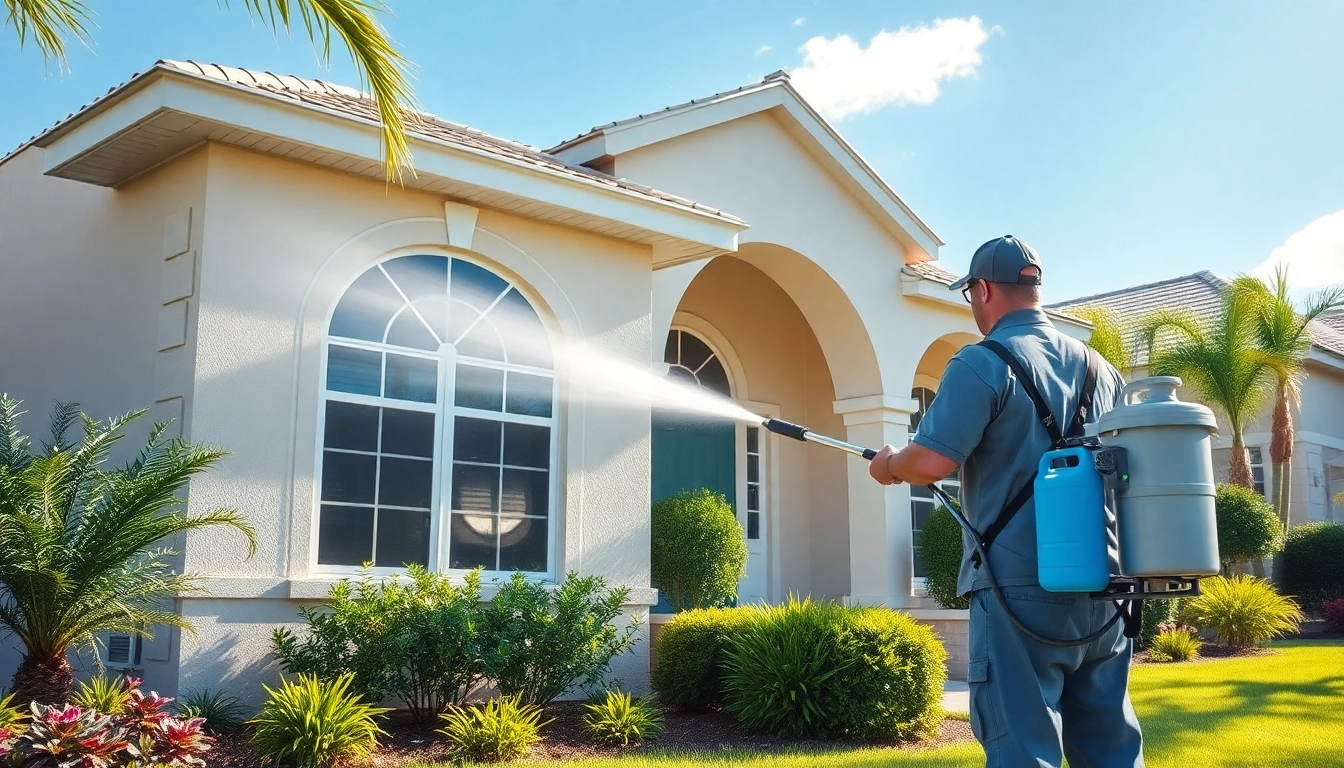
Understanding Soft Wash: The Eco-Friendly Solution
In the realm of exterior cleaning, the demand for effective and environmentally friendly methods has led to the rise of soft wash. For homeowners and business operators in Kissimmee, FL, understanding the nuances of soft washing can transform the maintenance routine of their properties. Unlike traditional pressure washing, which can potentially damage vulnerable surfaces, soft washing employs low-pressure techniques and eco-friendly cleaning solutions to achieve stunning results without the risk of harm. This article delves into the principles of soft washing, its benefits over high-pressure methods, and practical insights for optimal application.
What is Soft Washing?
Soft washing is a cleaning technique specifically designed for delicate surfaces that cannot withstand the high pressure of regular power washing. This method utilizes a mixture of biodegradable cleaning solutions, which work by breaking down dirt, mold, algae, and other contaminants at a molecular level. The low-pressure application ensures that the integrity of surfaces such as roofs, siding, and painted areas is maintained while effectively cleaning them. Soft washing is particularly beneficial for residential properties, as it enhances curb appeal without the harshness often associated with traditional cleaning methods.
Benefits of Using Soft Wash Over Pressure Washing
- Gentle on Surfaces: Soft washing significantly reduces the risk of damage to soft materials like wood or shingles, which can be compromised by high-pressure cleaning.
- Longer Lasting Results: By using specialized cleaning agents, soft washing not only cleans but also prevents the regrowth of mold and algae, offering longer-lasting results compared to traditional methods.
- Environmentally Friendly: With biodegradable solutions, soft washing is a sustainable choice that minimizes the impact on the environment while ensuring effective cleaning.
- Cost-Effective: Given its long-term results, homeowners may find that soft washing can reduce the frequency of cleanings needed, ultimately saving them money.
Common Misconceptions About Soft Wash
Despite its rising popularity, several misconceptions about soft washing persist. One common myth is that soft washing is less effective than pressure washing. However, when done correctly, soft washing can be equally if not more effective on certain surfaces due to its ability to target the root sources of stains and contaminants. Another misconception is that all cleaning solutions used in soft washing are harmful or toxic. In reality, many eco-friendly soft washing systems use safe, biodegradable products that are safe for both humans and the environment.
Soft Washing Techniques: A Step-by-Step Guide
Preparing Your Home for Soft Washing
Before initiating a soft wash, it’s essential to prepare the area around your home. Start by removing any furniture, decor, or items that could obstruct the cleaning process. Additionally, ensure that windows and doors are closed properly to avoid water intrusion. It can be beneficial to cover any delicate plants or landscaping to protect them from cleaning agents.
Essential Equipment for Effective Soft Washing
To perform a successful soft wash, specific equipment is required. Key items include:
- Soft Wash System: A pump capable of producing low pressure is crucial for achieving the gentle application needed.
- Low-Pressure Nozzle: This allows for an even distribution of the cleaning solution without damaging surfaces.
- Biodegradable Cleaning Solutions: Look for products specifically designed for soft washing to ensure effective cleaning while preserving the environment.
Choosing Eco-Friendly Cleaning Solutions
Selecting the right cleaning agents is vital for a successful soft wash. Opt for biodegradable solutions that are effective against mold, mildew, and algae. These cleaning agents should not only be safe for your property but also for surrounding flora and fauna. Always check product labels for environmental certifications, ensuring that your cleaning methods align with eco-friendly practices.
Real-World Applications of Soft Washing
Residential Properties: Enhancing Curb Appeal
For homeowners, soft washing can dramatically enhance the visual appeal of properties. Clean siding, roofs, and walkways not only improve aesthetics but can also increase property value. Regular soft washing contributes to the longevity of surfaces by removing harmful growths that can lead to deterioration over time.
Commercial Spaces: Attracting Customers with Cleanliness
Businesses in Kissimmee benefit immensely from maintaining a clean exterior. A well-kept storefront combined with soft washing techniques can attract more customers and improve overall business image. Offering a clean and inviting environment is essential to customer satisfaction and retention.
Multi-Unit Complexes: Best Practices for HOAs
Homeowners Associations (HOAs) managing multi-unit complexes often face challenges regarding the upkeep of shared spaces. Soft washing services can be tailored for these complexes, ensuring that roofs, walkways, and communal areas are not only clean but also safe for residents. Establishing a maintenance schedule for soft washing can prevent build-up and maintain a welcoming environment.
Maintaining Your Property Post-Soft Wash
Creating a Routine Maintenance Schedule
To maximize the benefits of soft washing, creating a regular maintenance schedule is crucial. Depending on the climate and environmental factors, a typical recommendation is to soft wash your property every 12 to 18 months. However, areas with higher moisture or algae growth may require more frequent cleanings to maintain optimal conditions.
Signs Your Property Needs Another Soft Wash
Recognizing when to schedule another soft wash can prevent the buildup of debris and contaminants. Key signs include:
- Visible stains or discoloration on surfaces.
- Presence of algae or mold growth.
- Loss of sheen on recently washed areas.
Tips to Extend the Effects of Soft Washing
To prolong the clean surface post-soft wash, consider implementing a few additional maintenance practices. Keeping gutters clear of debris, trimming back any overhanging branches, and ensuring proper drainage can help reduce the growth of algae and dirt accumulation.
The Future of Soft Washing in 2025 and Beyond
Emerging Technologies in Soft Washing
The landscape of soft washing is evolving, with new technologies that enhance efficiency and effectiveness. Innovations such as advanced soft wash systems that integrate chemical injection and remote monitoring are on the rise. These technologies can help track cleaning effectiveness and schedule maintenance proactively.
Trends in Eco-Friendly Cleaning Practices
As sustainability becomes increasingly important, the trend towards eco-friendly cleaning solutions will continue to grow. Consumers are leaning towards businesses that prioritize environmentally responsible practices, making it essential for service providers to adapt accordingly.
Consumer Preferences Shaping the Industry
The pressure washing industry is witnessing a significant shift as consumer preferences emphasize quality and sustainability. Homeowners and businesses are increasingly investing in services that offer long-term benefits and eco-friendly solutions, prioritizing not just cleanliness but also the healthiness of their environments.
As we move into 2025 and beyond, understanding the benefits and applications of soft washing will be crucial for maintaining the exteriors of properties in Kissimmee and the surrounding Orlando area. By embracing this innovative cleaning method, homeowners and businesses alike can ensure their properties remain appealing, safe, and well-maintained.