

Understanding Automated Crypto Income
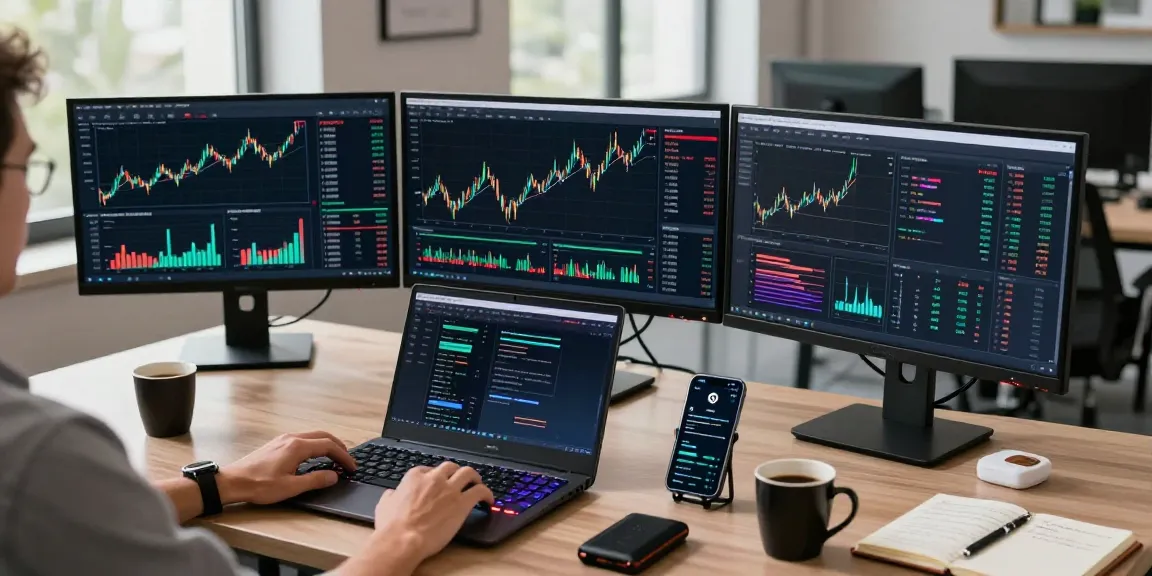
As the cryptocurrency market continues to evolve, many investors are seeking ways to maximize their returns with minimal hands-on management. The concept of automated crypto income has emerged as a powerful solution that leverages technology to facilitate trading and investment strategies without constant human intervention. By utilizing sophisticated algorithms and trading bots, traders can capitalize on market fluctuations around the clock, freeing themselves from the constraints of time and emotional decision-making. Exploring automated crypto income opportunities can provide insights into how to achieve financial growth in the dynamic crypto landscape.
What is Automated Crypto Income?
Automated crypto income refers to the process of generating revenue through cryptocurrency trading or investment activities that are executed by algorithms or trading bots. These automated systems monitor market conditions, analyze trends, and execute trades on behalf of the user, aiming to capitalize on price movements and opportunities for profit. This type of income can come from various strategies, including day trading, swing trading, or long-term holding, and it presents a unique avenue for earning passive income in the volatile crypto market.
The Benefits of Automation in Crypto Trading
The primary advantage of automated crypto trading lies in its ability to remove emotional decision-making from trades. Human traders often experience fear, greed, and uncertainty, which can lead to poor investment choices. Automation addresses these issues by following pre-set algorithms and removing the emotional aspect from trading decisions. Other notable benefits include:
- 24/7 Trading: Automation enables continuous market engagement, allowing trades to be executed at any hour, regardless of the trader’s availability.
- Backtesting: Traders can test their strategies against historical market data before deploying them in live markets, increasing the likelihood of success.
- Speed and Efficiency: Automated systems can analyze market data and execute trades significantly faster than humans, often taking advantage of fleeting market opportunities.
- Diversification: Automation allows traders to manage multiple trades and assets simultaneously, effectively spreading risk across a broader portfolio.
Common Misconceptions about Automated Income
Despite the advantages, there are several misconceptions surrounding automated crypto income that can deter potential investors. One common myth is that automated trading is a guaranteed way to make money. While automated systems can significantly enhance trading efficiency, they are not foolproof and can incur losses, especially in volatile markets. Another misconception is that automated trading requires no knowledge of the market. In reality, a foundational understanding of market principles and strategies is essential for configuring and optimizing trading bots effectively.
Key Tools and Platforms for Automation
Overview of Leading Crypto Trading Bots
With the rise in popularity of automated trading, numerous platforms offer trading bots designed to cater to various investment strategies. Some of the leading tools include:
- Cryptohopper: This platform stands out for its user-friendly interface and robust features, allowing traders to automate strategies and utilize market signals.
- Cornix: Known for its integration with various exchanges, Cornix provides tools for both manual and automated trading, making it suitable for all levels of traders.
- 3Commas: This tool offers automated portfolio management and various trading strategies, making it popular among serious traders aiming for consistent profits.
Evaluating Performance Metrics
When assessing the effectiveness of a trading bot, it’s crucial to consider several performance metrics. Key indicators to evaluate include:
- Return on Investment (ROI): Measures the profitability of the trading strategy over a specific period.
- Win Rate: The percentage of profitable trades compared to total trades executed reflects the bot’s effectiveness.
- Maximum Drawdown: Indicates the largest peak-to-trough decline during a specific time frame, highlighting potential risks.
Choosing the Right Platform for Beginners
For newcomers to automated trading, selecting the right platform can be overwhelming. It’s essential to look for platforms that offer:
- User-Friendly Interface: An intuitive design facilitates easier navigation and setup for beginners.
- Educational Resources: Platforms should provide tutorials, FAQs, and support to help users understand trading strategies and bot configurations.
- Customizable Strategies: Allowing users to modify and test their trading strategies can enhance learning and improve performance outcomes.
Strategies for Success with Automated Trading
Framework for Developing a Winning Strategy
Creating a successful automated trading strategy requires a well-structured framework. Key steps in developing this strategy include:
- Market Analysis: Conduct thorough research on market trends, volatility, and indicators that signal trading opportunities.
- Defining Goals: Establish clear financial goals and risk tolerance levels to guide trading decisions and bot configurations.
- Testing and Optimization: Utilize backtesting to refine strategies before deploying them in live markets, ensuring they align with current market conditions.
Risk Management Techniques
Effective risk management is vital for success in automated trading. Essential techniques include:
- Setting Stop-Loss Orders: Configuring stop-loss levels can help protect against significant losses by automatically closing positions when a certain price point is reached.
- Diversification: Spreading investments across different assets can mitigate risks associated with market volatility.
- Regular Monitoring: Continuously reviewing the bot’s performance and market conditions enables timely adjustments to trading strategies.
Case Studies: Real-World Successes
Numerous traders have successfully leveraged automated trading strategies to achieve substantial returns. For instance, a user who employed a combination of trend-following algorithms and risk management techniques reported consistent profitability over multiple market cycles. These case studies illustrate the real-world applicability of automated systems when paired with solid strategies and disciplined trading practices.
Future Trends in Automated Cryptocurrency Income
Emerging Economic Models in Crypto Trading
The landscape of automated crypto income is constantly evolving, driven by emerging economic models. Decentralized Finance (DeFi) platforms are innovating by allowing users to earn automated returns through yield farming and liquidity provision. Such models exemplify how users can generate passive income by simply holding and utilizing their crypto assets.
Technological Innovations Impacting Automation
Technological advancements, particularly in data analytics and artificial intelligence, are enhancing the capabilities of trading bots. These innovations allow for more precise market predictions and adaptive strategies, improving the overall efficiency of automated trading systems. As technology advances, we can expect even more sophisticated trading tools that benefit users.
The Role of AI and Machine Learning
Artificial intelligence and machine learning are becoming integral components in the realm of automated trading. By utilizing predictive algorithms, traders can identify patterns and trends that human analysts might overlook. This capability can significantly increase the accuracy of trades and, by extension, the profitability of automated income strategies.
Frequently Asked Questions
Is automated crypto trading a reliable source of income?
While automated crypto trading can yield significant returns, it is not without risks. The reliability of income largely depends on the chosen strategy and market conditions. Traders should engage in thorough testing and have a solid understanding of their tools to optimize outcomes.
How much can one realistically earn from automated crypto trading?
Income from automated trading varies widely based on market conditions, the effectiveness of trading strategies, and the amount invested. Realistically, traders may expect modest returns on investment, particularly if they adopt a long-term, disciplined approach.
What are the risks associated with automated trading bots?
The primary risks include technical failures, market volatility, and potential losses from poorly configured strategies. As such, it’s crucial for traders to continuously monitor their bots and be prepared to adjust strategies as necessary.
Can I use automated tools as a beginner trader?
Yes, beginners can utilize automated tools, provided they take the time to understand the mechanisms of trading. Many platforms offer educational resources specifically designed for novice traders to help them get started.
What are the pitfalls to avoid with automated crypto trading?
Common pitfalls include neglecting to monitor bot performance, relying solely on automation without understanding the market, and failing to implement proper risk management techniques. Awareness of these issues can help traders avoid costly mistakes.