

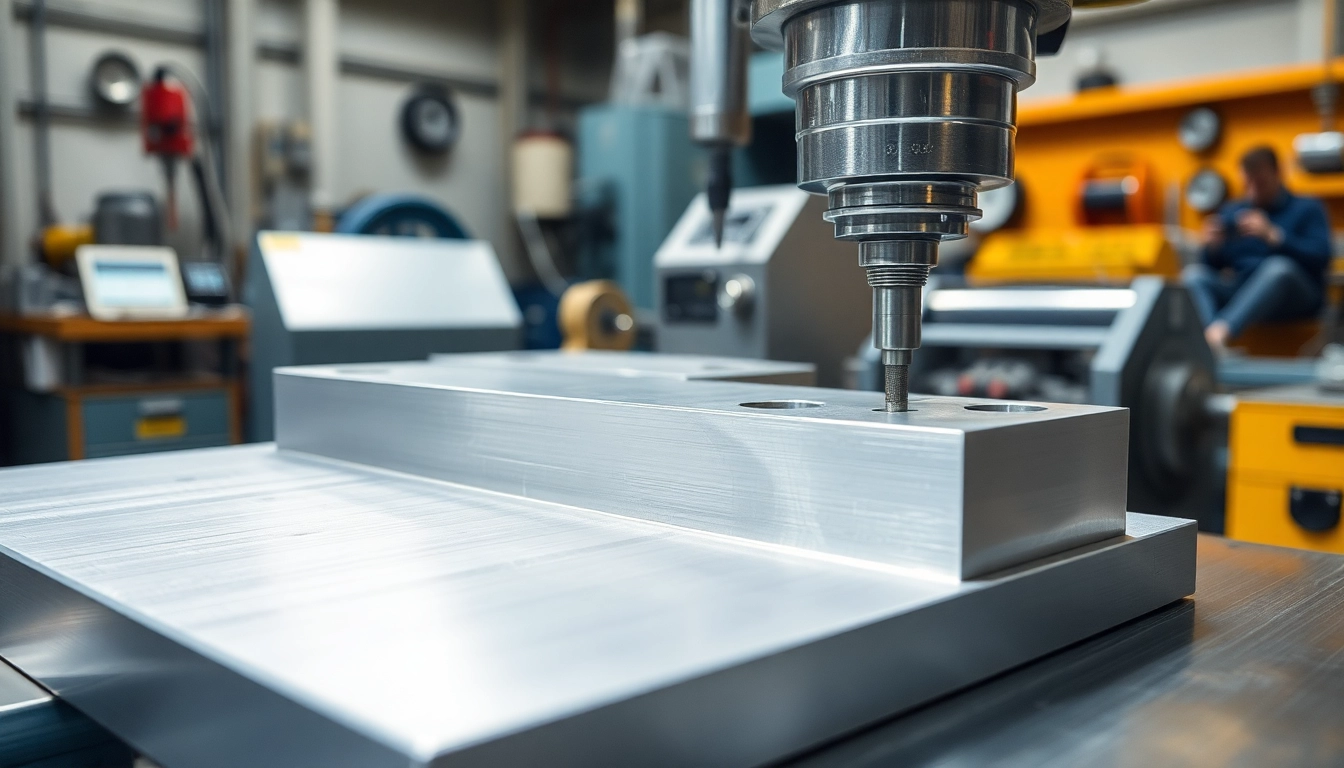
Understanding Aluminum Prototypes
What Are Aluminum Prototypes?
Aluminum prototypes refer to pre-production models created using aluminum as the primary material. These prototypes serve as functional representations of the final designs, aimed at validating concepts before scaling up for mass production. They embody the geometry and features of the intended product, allowing designers and engineers to evaluate performance, aesthetics, and manufacturability. Utilizing a variety of modeling techniques, aluminum prototypes are integral in product development across various industries, from automotive to consumer electronics.
Benefits of Using Aluminum for Prototyping
Aluminum stands out as a favored material for prototyping due to its unique properties. Firstly, its excellent machinability allows for precise CNC machining, providing a high degree of accuracy in producing complex geometries. Additionally, aluminum’s strength-to-weight ratio is impressive, making it suitable for applications where functionality is paramount while keeping weight minimal. Furthermore, aluminum can efficiently dissipate heat, making it ideal for electronic components and thermal management systems. The versatility of aluminum, coupled with its cost-effectiveness for short production runs, enhances its position as a go-to choice for engineering prototypes. In fact, companies looking to develop products quickly and within budget often opt for aluminum prototypes for reliable performance and rapid iteration.
Common Applications of Aluminum Prototypes
Aluminum prototypes are utilized across diverse sectors including aerospace, automotive, consumer goods, and electronics. In aerospace applications, aluminum prototypes allow for rigorous testing of aerodynamics and structural integrity while keeping the prototypes lightweight. In the automotive industry, manufacturers employ these prototypes to test components like heat shields and engine parts, where performance and durability are essential. Similarly, in consumer electronics, aluminum prototypes are used to create housings, heat sinks, and detailed fittings that ensure product reliability and user satisfaction. Moreover, 3D printing technologies are also leveraged to produce rapid prototypes for testing and design tweaks, further expanding their application scope.
Types of Aluminum Prototyping Processes
CNC Machining Techniques for Aluminum
CNC machining is a pivotal process in the creation of aluminum prototypes, offering unmatched precision and repeatability. This subtractive manufacturing method begins with solid blocks or sheets of aluminum, which are meticulously shaped using computer-controlled tools. CNC machining allows for tight tolerances, complex geometries, and intricate designs that are hard to achieve through traditional methods. The advantages of utilizing CNC machining include reduced lead times and high-quality finishes, making it a preferred choice for producing aluminum prototypes. Possible techniques applied within CNC machining include milling, turning, and drilling, each tailored for specific prototype requirements.
Die Casting versus CNC Machining
Die casting and CNC machining are two popular methods employed for aluminum prototyping, each with its unique strengths. Die casting involves injecting molten aluminum into a mold to create intricate shapes. This method is ideal for high-volume production, as it can rapidly produce parts with complex geometries at a relatively low cost. However, die-cast parts may require post-processing to achieve the desired surface finish and precision, making them less ideal for low-volume, highly detailed prototypes. In contrast, CNC machining allows for greater flexibility in design adjustments, enabling iterations without extensive tooling changes. Ultimately, the choice between die casting and CNC machining depends on project requirements, production volume, and budget constraints.
3D Printing Aluminum Prototypes
3D printing technology has revolutionized prototyping, and aluminum is increasingly being used in such processes. Using techniques like Direct Metal Laser Sintering (DMLS), aluminum can be printed layer by layer to create complex geometries that traditional manufacturing methods struggle with. This method is particularly useful for lightweight components and intricate structures, making it a valuable tool for rapid prototyping. The ability to quickly iterate designs and modify components before committing to mass production can significantly reduce product development cycles. Additionally, 3D printing permits on-demand production, which helps lower inventory costs and increases flexibility in design changes.
Best Practices in Creating Aluminum Prototypes
Selecting the Right Aluminum Alloy
The selection of aluminum alloy is crucial for achieving the desired mechanical properties and performance characteristics in prototypes. Common alloys like 6061 and 7075 possess different attributes—6061 is known for its excellent corrosion resistance and machinability, while 7075 offers higher strength, making it suitable for demanding applications. Engineers and designers must consider factors such as thermal conductivity, weight, and strength when choosing an appropriate alloy. By carefully selecting the right aluminum alloy, manufacturers can ensure that prototypes meet performance expectations and provide valuable insights during the testing phase.
Design Considerations for Prototyping
When designing aluminum prototypes, several key considerations must be factored in to optimize performance and manufacturability. These include dimensional tolerances, surface finish requirements, and the intended use of the prototype. Incorporating features that facilitate easy assembly, maintenance, and operation can significantly enhance prototype efficacy. Additionally, every design should account for potential stress points to prevent failure during stress testing. Applying simulation software can also help predict performance behaviors, allowing designers to iterate on their models swiftly before physical production begins.
Testing and Development Steps
Once aluminum prototypes are produced, rigorous testing is essential to ensure they meet the desired specifications. Initial assessments may include dimensional checks, fit tests, and cosmetic evaluations to confirm that the prototypes adhere to design requirements. Following that, functional testing is conducted, assessing aspects such as strength, thermal resistance, and electrical compatibility, depending on the application. Data gathered during testing not only informs modifications for the initial prototype but also guides design changes for subsequent iterations, streamlining the development process efficiently.
Cost Considerations for Aluminum Prototypes
Factors Influencing Prototyping Costs
The cost of manufacturing aluminum prototypes can fluctuate based on various factors, including tooling, material costs, production volume, and complexity of design. High precision components may necessitate advanced machining techniques or specialized tools, increasing overall expenses. Therefore, careful planning and budgeting are critical to avoid potential pitfalls when launching a new project. Collaboration between designers, engineers, and procurement teams can help assess cost implications early in the design stage to optimize resource allocation.
Cost-Effective Solutions for Projects
Implementing cost-effective solutions in aluminum prototyping requires strategic planning and innovative thinking. A few methods to minimize costs include leveraging standard parts where possible, simplifying the design for ease of manufacturing, and choosing the right prototyping process that matches the project scale and requirements. Additionally, using advanced software for simulations can reduce rework costs by addressing design flaws early in the development phase. Emphasizing efficient communication among teams also aids in aligning goals, ultimately contributing to cost savings over the project lifecycle.
Calculating Return on Investment
Calculating the return on investment (ROI) for aluminum prototypes is vital to understanding their value in the product development process. Factors to consider include material costs, labor, production efficiencies, and potential market impact of the final product. By comparing the cost savings generated through rapid prototyping and shorter lead times to the potential revenue from successful product launches, teams can gauge the efficacy of their investment. Conducting a thorough ROI analysis can provide insights into whether additional investments in prototyping processes or technologies would yield favorable outcomes in future projects.
Future Trends in Aluminum Prototyping
Emerging Technologies and Innovations
The future of aluminum prototyping will likely be shaped by advancements in automation, AI, and machine learning. These technologies can streamline machining processes and improve quality control through predictive analysis and real-time adjustments. As advancements in additive manufacturing continue, we may also see a rise in hybrid approaches that combine traditional CNC machining with 3D printing methods. These innovations hold the potential for producing complex geometries quickly, reducing lead times and costs, and enabling a new range of applications.
Sustainability in Aluminum Prototyping
Sustainability is becoming increasingly prominent within manufacturing, including aluminum prototyping. The adoption of eco-friendly practices, such as recycling aluminum materials and utilizing energy-efficient processes, can significantly reduce environmental footprints. The industry’s shift toward sustainable design principles is likely to influence material selection and prototyping methodologies moving forward. Companies that embrace sustainability not only contribute to environmental preservation but also align with consumer trends favoring eco-conscious products.
Industry Predictions for the Next Decade
Predicting the landscape of aluminum prototyping over the next decade suggests continued growth in technologies that enhance production efficiency and speed. As automation becomes standard practice in manufacturing, we can expect improvements in both precision and consistency, ultimately minimizing errors while lowering production costs. Furthermore, the emergence of smart manufacturing, driven by IoT technologies, will facilitate real-time data collection and decision-making, providing significant advantages to industries heavily utilizing aluminum prototypes. Companies that adapt to these trends will likely stand at the forefront of innovation, setting the stage for breakthroughs in product development.
FAQs about Aluminum Prototypes
Is aluminum a common prototyping material?
Yes, aluminum is widely used for prototyping due to its ease of machining, providing components that are lightweight and strong with excellent corrosion resistance.
What are the main benefits of using aluminum for prototypes?
Key benefits include excellent machinability, strength-to-weight ratio, thermal conductivity, and cost-effectiveness, which contribute to rapid prototyping cycles.
How do I choose the right aluminum alloy for my prototype?
Select an aluminum alloy based on the desired mechanical properties, manufacturing processes, and the end-use scenario to ensure optimal performance.
Can I use 3D printing for aluminum prototypes?
Absolutely! 3D printing, especially techniques like DMLS, allows for creating intricate aluminum prototypes efficiently, enabling rapid iterations and design flexibility.
What factors should I consider for costs in aluminum prototyping?
Consider tooling, design complexity, material costs, and production volume. Each of these can significantly impact the overall cost of prototype development.