Understanding Austin Construction: A Comprehensive Overview
Austin has emerged as a major hub for construction and development in recent years, reflecting its vibrant economy and growing population. When we talk about Austin construction, we're not just referring to the mere act of building; we delve into the intricate processes, strategies, and innovations that define construction projects within this dynamic region. This article intends to provide a thorough understanding of the multiple aspects of construction in Austin, offering insights that can assist stakeholders, including property owners, contractors, and policymakers.
What Is Austin Construction?
Austin construction encompasses a wide range of construction activities, including residential, commercial, and infrastructural projects. It involves the design, development, and implementation of buildings and infrastructure that serve the needs of the community. The construction market in Austin continues to thrive, supported by economic growth, a surge in population, and the increasing demand for housing and commercial spaces. Various sectors, including technology, education, and healthcare, contribute significantly to the construction landscape in Austin, resulting in various projects that range from high-rise offices to mixed-use developments.
Key Trends in Austin Construction
The construction industry in Austin is continuously evolving, driven by several key trends:
- Sustainable Building Practices: With an increased awareness of environmental issues, many construction projects now prioritize eco-friendliness. This includes using sustainable materials, energy-efficient designs, and implementing waste reduction methods.
- Smart Technologies: Integration of smart technologies in construction processes has become a norm. From Building Information Modeling (BIM) to IoT devices, these technologies streamline operations and enhance project efficiency.
- Urban Infill and Redevelopment: With limited available land in urban areas, construction projects increasingly focus on redeveloping existing structures and utilizing vacant lots for new developments.
- Workforce Development: The demand for skilled labor in construction has led to increased investments in training and apprenticeship programs to develop a competent workforce.
Importance of Quality in Austin Construction
Quality in construction is paramount as it directly impacts safety, durability, and performance. In Austin, where the weather can be unpredictable, achieving high-quality standards is vital. Ensuring that materials are durable and installations are done correctly can prevent costly repairs in the future. Strict adherence to building codes and rigorous inspection policies promote higher quality outcomes, fostering a reputation for excellence within the industry.
Planning Your Austin Construction Project
Planning is crucial for successful construction projects. Careful consideration and strategic foresight can help anticipate challenges and streamline processes.
Assessing Your Needs for Austin Construction
Understanding your specific needs is the first step in any construction project. Property owners should evaluate their objectives, whether they are looking to build a new home, renovate an existing property, or expand a commercial space. This involves engaging stakeholders early on, considering future growth, and outlining functional requirements. Collaboration with experienced architects and designers can help refine these needs into actionable plans.
Budgeting Tips for Austin Construction
Establishing a realistic budget is critical. Key budgeting tips include:
- Comprehensive Estimation: Consider all costs, including materials, labor, permits, and unexpected expenses. Using detailed estimates helps provide clarity on financial requirements.
- Contingency Fund: Set aside a percentage of your budget as a contingency fund to cover unforeseen issues that may arise during the construction process.
- Prioritizing Elements: Determine which aspects of the project are most crucial and allocate funds accordingly. This ensures essential components are completed even if adjustments need to be made elsewhere.
Obtaining Necessary Permits for Austin Construction
Acquiring the correct permits is essential for legal compliance and project success. Engaging with the local building authority early in the planning process can streamline the permit acquisition process. Key steps include:
- Researching Local Zoning Laws: Understand the zoning regulations specific to the area where construction will take place, which dictate land use and building requirements.
- Submitting Application: Gather required documentation, plans, and fees for submission to the relevant authorities.
- Schedule Inspections: Post-permit acquisition, ensure to schedule necessary inspections to adhere to the building codes and regulations throughout the construction phase.
Best Practices in Austin Construction
Implementing best practices in construction enhances project outcomes, ensuring efficiency and sustainability.
Incorporating Eco-Friendly Materials in Austin Construction
Utilizing sustainable materials is a defining characteristic of modern construction practices. Eco-friendly materials include:
- Recycled Materials: Products made from recycled materials reduce waste and reliance on new resources.
- Local Sourcing: Sourcing materials from local suppliers reduces transportation emissions and fosters the local economy.
- Energy-Efficient Products: Integrating energy-efficient windows, insulation, and lighting into design provides long-term savings on energy costs, contributing to lower environmental impact.
Leveraging Technology in Austin Construction Processes
Adopting technological advancements can significantly improve efficiency in construction processes. Emerging technologies in Austin construction include:
- Building Information Modeling (BIM): This 3D modeling technology facilitates collaboration among stakeholders, enhances design accuracy, and helps identify potential conflicts before construction begins.
- Project Management Software: Digital tools that improve communication, track progress, and monitor timelines are invaluable in keeping projects on track.
- Drone Technology: Drones provide aerial surveying capabilities, offering insights into land use and project progress from unique vantage points.
Safety Standards in Austin Construction Sites
Safety measures are crucial to mitigate risks in construction environments. Best practices for maintaining safety standards include:
- Regular Safety Training: Continual training and education for workers on safety protocols and equipment use enhance site safety.
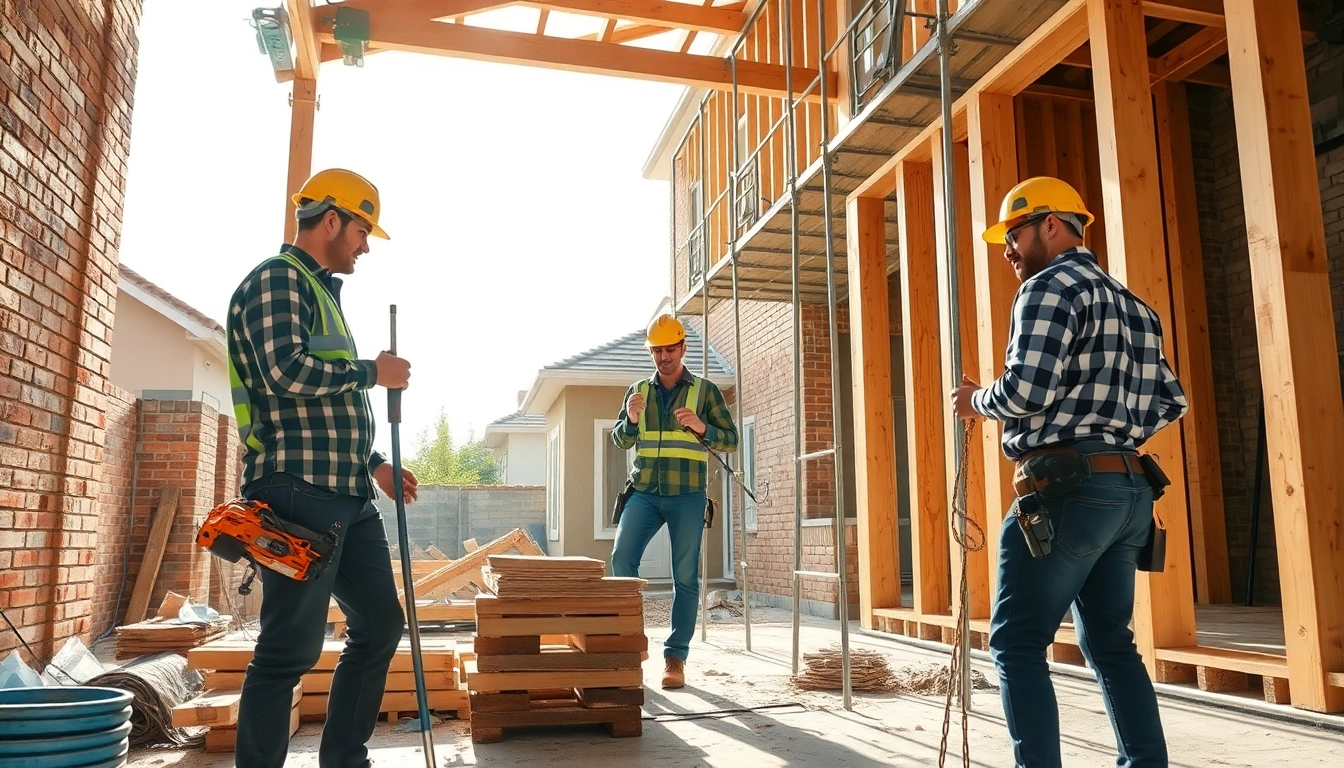
- Personal Protective Equipment (PPE): Proper use of PPE, including helmets, gloves, and safety goggles, should be mandated to protect workers from injury.
- Safety Inspections: Conducting routine safety inspections can help identify hazards and enforce compliance with safety regulations.
Challenges in Austin Construction: Navigating Common Issues
While Austin construction flourishes, it is not without challenges. Understanding these can aid in preparation and execution.
Managing Delays in Austin Construction Projects
Delays are common in construction, but effective planning can mitigate their impact. To manage delays, consider:
- Detailed Project Timelines: Develop clear timelines for each phase of construction and allow for flexibility in scheduling.
- Regular Communication: Keeping open lines of communication among all stakeholders helps identify potential delays early and allows for prompt problem-solving.
- Managing Expectations: Set realistic timelines with clients and stakeholders, understanding that challenges may arise.
Labor Shortages Impacting Austin Construction
The construction industry faces ongoing labor shortages, impacting project timelines and costs. Addressing this challenge involves:
- Investing in Training: Partnering with local trade schools and community colleges to provide training programs can foster a skilled workforce.
- Attracting Talent: Offering competitive wages and benefits can help attract talent to the construction workforce.
- Creating Apprenticeship Programs: Establishing apprenticeship opportunities can encourage new entrants into the industry while enhancing skill levels.
Dealing with Environmental Regulations in Austin Construction
Navigating environmental regulations is essential for compliance and project success. Strategies include:
- Staying Informed: Keeping updated on local, state, and federal environmental regulations can prevent costly violations.
- Engaging Environmental Consultants: Consulting with experts in environmental regulations ensures projects adhere to legal requirements.
- Implementing Sustainable Practices: Utilizing sustainable construction practices can often satisfy regulatory requirements and protect the environment.
Future of Austin Construction: Innovations and Opportunities
The future of construction in Austin is filled with potential, driven by innovation and a commitment to efficiency and sustainability.
Emerging Technologies Shaping Austin Construction
Technological advancements are key to transforming the construction industry. Notable technologies include:
- Artificial Intelligence (AI): AI applications can analyze data to improve project planning and streamline workflows, reducing costs and enhancing decision-making processes.
- Augmented Reality (AR): AR allows stakeholders to visualize construction projects and designs in real-time, facilitating feedback and adjustments during the planning phase.
- Advanced Robotics: Robotics can automate repetitive tasks, increasing efficiency and precision in construction processes.
Market Predictions for Austin Construction
Market analysts predict that the Austin construction market will continue to grow, driven by factors such as:
- Population Growth: As the population increases, the demand for housing and urban development will rise, ensuring a steady influx of construction opportunities.
- Investment in Infrastructure: Ongoing investments in infrastructure, including transportation and utilities, will spur further construction projects.
- Economic Resilience: Austin's diversified economy, including technology and creative sectors, enhances its construction market's stability and growth potential.
Community Engagement in Austin Construction Projects
Community engagement is essential for the success of construction projects. Benefits include:
- Building Trust: Engaging with community members fosters goodwill and trust, minimizing opposition to construction projects.
- Gathering Local Insights: Community feedback can provide valuable insight into local needs and preferences, ensuring projects are relevant and beneficial.
- Promoting Transparency: Open communication about project goals, timelines, and impacts promotes transparency and collaboration between developers and the community.
In conclusion, navigating the Austin construction landscape requires a comprehensive understanding of its components, from planning and budgeting to quality control and community involvement. Building a sustainable future involves collaboration, innovation, and responsiveness to both market demands and community needs. By staying informed and adapting to ongoing changes within the industry, stakeholders can enhance their contributions to Austin's dynamic construction scene.