The Essence of Massachusetts Residential Architecture
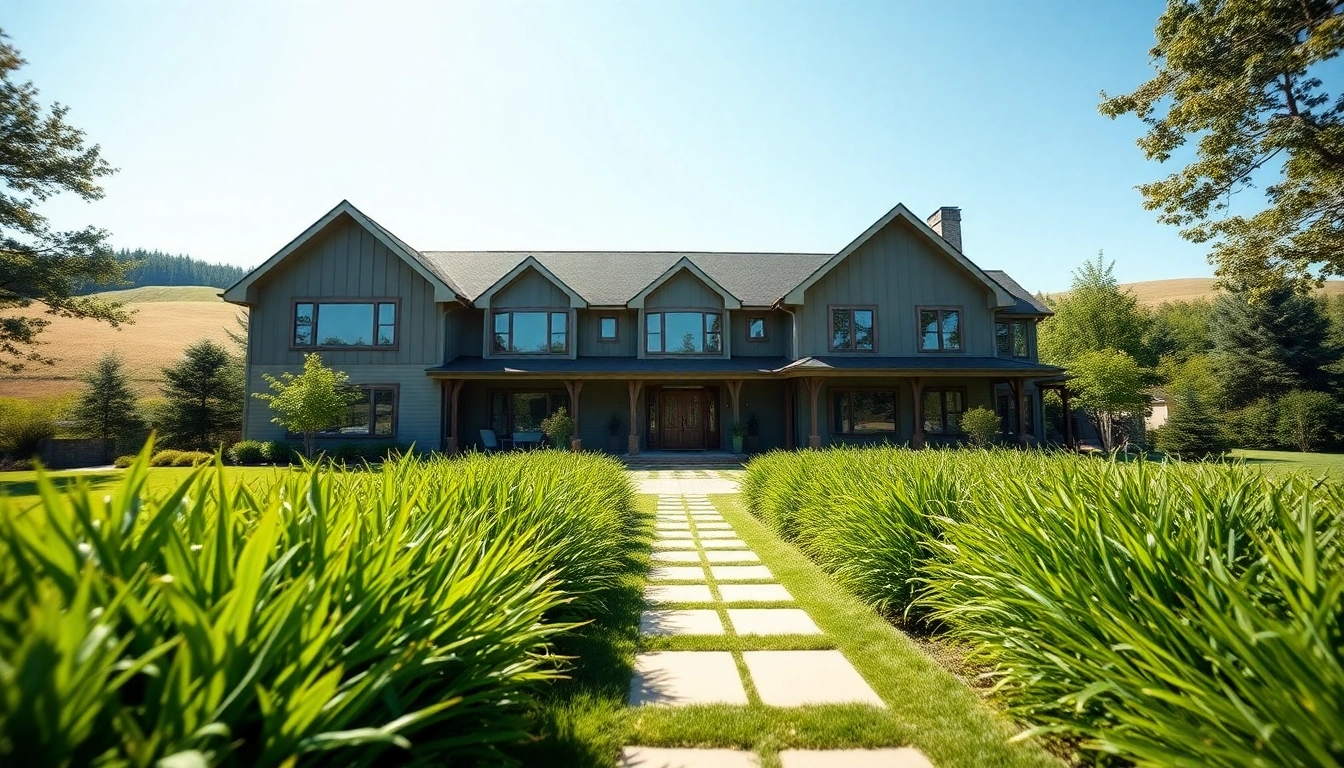
Massachusetts is a state rich in history, culture, and diversity, all of which are elegantly reflected in its residential architecture. From the historic Colonial homes that tell the tales of early American settlers to the sleek contemporary designs that showcase modern innovation, the state's architectural landscape tells a story of evolution, adaptation, and expression. This article explores the various facets of Massachusetts residential architecture, focusing on its historical influences, key features, and unique architectural styles. Understanding these elements is essential for homeowners and designers alike, especially those looking for inspiration or seeking to incorporate these traits into their own projects. For a deeper dive into the specifics of residential design here, check out Massachusetts residential architecture.
Historical Influences and Trends in Design
The architectural landscape of Massachusetts can be traced back to the early 17th century with the arrival of European settlers. The state's history has been shaped by various influences, including the Puritan ideals that emphasized simplicity and functionality in early homes. As the population grew and diversified, so too did the architectural styles seen across the state.
The Colonial style, prevalent in the 18th century, is characterized by its symmetrical façade and gable roofs. This style laid the groundwork for many traditional homes in Massachusetts. Following the Colonial era, the Federal style emerged in the early 19th century, showcasing more decorative elements such as intricately designed doorways and larger windows.
With the rise of the Industrial Revolution came the Victorian architectural movement, introducing intricate designs and ornamentation. This period saw the construction of grand, eclectic homes that made use of various materials and construction techniques. In the latter half of the 20th century, Modernism took hold, advocating for minimalist designs that favored open spaces and the integration of natural landscapes.
Key Features of Massachusetts Residential Architecture
Massachusetts residential architecture presents a unique blend of historical significance and modern innovation. Key features include:
- Symmetry: Many traditional homes in Massachusetts boast symmetrical designs, creating a sense of balance and proportion.
- Varied Materials: From wood and brick to stone and glass, residential buildings often utilize local materials that reflect the environmental context.
- Porches and Decks: Outdoor spaces, such as porches, are integral to many homes, providing areas for relaxation and social interaction.
- Historical Elements: Features like crown moldings, wainscoting, and decorative trims speak to the craftsmanship of earlier eras while maintaining a contemporary touch.
- Landscape Integration: Homes are often designed to harmonize with their natural surroundings, utilizing landscape design to enhance architectural aesthetics.
Architectural Styles Found in Massachusetts
The diverse architectural styles present in Massachusetts reflect the state’s rich cultural history and regional preferences. Here are a few notable styles:
- Colonial: Defined by its square shape, centered front door, and symmetrical windows, this style provides a warm, welcoming feel.
- Victorian: Known for elaborate details and vibrant colors, Victorian homes are characterized by their asymmetry, rounded arches, and decorative trim.
- Cap Cod: Originating in the 17th century, Cape Cod homes are simple one or one-and-a-half-story structures with steep roofs and dormer windows, designed to withstand coastal weather.
- Modern: With clean lines, open spaces, and a focus on sustainability, modern designs often incorporate innovative building materials and techniques, embracing the idea of function over form.
- Mid-Century Modern: These designs emphasize a connection with nature, using large windows to create indoor-outdoor spaces while prioritizing simplicity and integration with the surrounding landscape.
Choosing the Right Design for Your Home
The selection of a design for your home involves understanding your needs, preferences, and lifestyle. By collaborating with architects and integrating sustainable practices, you can create a living space that is not only beautiful but also functional and efficient.
Understanding Your Needs and Lifestyle
When embarking on the journey of residential architecture design, the first step is to assess your personal needs and lifestyle. Consider the following:
- Family Size: Homes must accommodate current and future family needs, such as additional bedrooms or multi-functional spaces.
- Daily Activities: Think about how you use your space on a daily basis, including your cooking, entertainment, and work habits.
- Community and Location: Your home’s design should reflect its surroundings while also meeting local community standards and aesthetics.
- Personal Style: Capture your individual tastes in design - whether it’s traditional, modern, or an eclectic mix.
Collaborating with Architects
Collaboration with seasoned architects can greatly enhance your home's design. Here are best practices to ensure a successful partnership:
- Open Communication: Clearly articulate your vision, expectations, and budget to ensure all parties are aligned from the start.
- Regular Updates: Schedule periodic check-ins throughout the design and building phases to address any concerns or adjustments needed.
- Feedback Loops: Provide constructive feedback during the design process, fostering creativity and innovation while staying on course with your vision.
- Involvement in the Process: Engage actively in walkthroughs, design reviews, and decision-making to create a space that truly reflects your aspirations.
Incorporating Sustainability in Designs
Sustainability is becoming increasingly important in residential architecture. Here are effective strategies to consider:
- Energy-Efficient Materials: Use sustainable, locally sourced materials that reduce environmental impact and enhance energy efficiency, such as bamboo flooring or recycled steel.
- Solar Panels: Installing solar panels can significantly decrease energy costs while promoting sustainable living practices.
- Natural Ventilation: Design homes to maximize airflow, minimizing the need for air conditioning and reducing energy consumption.
- Water Conservation: Implement systems like rainwater collection and drought-resistant landscaping to promote water sustainability.
- Smart Home Technologies: Incorporate smart home systems that optimize energy consumption for lighting, heating, and appliances.
Common Challenges in Massachusetts Residential Architecture
Every architectural project has its challenges. Homeowners in Massachusetts must navigate specific obstacles that can affect the design and execution of their residential projects.
Dealing with Local Regulations and Permits
Massachusetts enforces strict building codes and zoning laws to maintain safety and historical character. Homeowners should:
- Research Local Codes: Understanding local regulations can prevent significant delays in the permitting process.
- Work with Professionals: Collaborative efforts with architects and contractors familiar with local codes streamline compliance.
- Submit Comprehensive Applications: Detailed applications help expedite permit approvals, minimizing project interruptions.
Overcoming Space Constraints
Residential spaces can often be limited by lot sizes or existing structures. To effectively manage space constraints:
- Utilize Vertical Spaces: Consider designs that incorporate multiple levels or various ceiling heights to optimize the use of vertical space.
- Multi-Functional Rooms: Design adaptable spaces that can serve multiple purposes, providing flexibility for the changing needs of families.
- Efficient Layouts: Plan the layout thoughtfully, ensuring that high-traffic areas are not overcrowded while maximizing usability.
Maintaining Historical Integrity
Massachusetts boasts many historic districts and homes that require careful consideration during renovation or construction. To maintain historical integrity:
- Preserve Original Features: Wherever possible, retain original architectural elements, allowing the home’s history to shine through.
- Collaborate with Specialists: Consult with preservation experts or consultants familiar with historical styles to ensure authenticity in renovation.
- Respect Surrounding Structures: Design additions or renovations that are in harmony with neighboring buildings to maintain the historical character of the district.
Best Practices for Designing Your Home
Successful residential architecture results from strategic planning, creative design, and practical execution. Here are some best practices to guide your home design journey:
Creating Functional Spaces
Functionality is paramount in residential design. Key considerations include:
- Open Floor Plans: Consider open-concept designs that foster engagement and maximize the flow between living, dining, and kitchen areas.
- Defined Areas: While openness is beneficial, ensure to define areas with furniture arrangements, rugs, or architectural elements for clarity.
- Accessible Design: Incorporate accessibility features, ensuring ease of movement throughout your home for all family members.
Balancing Aesthetics and Practicality
Successfully balancing aesthetics with practicality is crucial for a home that looks good and functions well:
- Prioritize Function: Always consider how an aesthetic detail can enhance or hinder functionality.
- Choose Timeless Elements: Select materials and designs that will stand the test of time, reducing the need for frequent updates.
- Evaluate Maintenance: Factor in the maintenance associated with certain materials or designs, opting for those that align with your lifestyle and preferences.
Utilizing Natural Light Effectively
Natural light can dramatically alter the atmosphere of your home. Consider the following for optimal use:
- Window Placement: Strategically place windows to capture natural light while minimizing heat loss or glare.
- Skylights: Incorporate skylights to invite daylight into darker areas like hallways or bathrooms.
- Reflective Surfaces: Use light-colored walls and reflective materials that amplify natural light throughout the space.
FAQs about Massachusetts Residential Architecture
What are typical architectural styles in Massachusetts?
Massachusetts features Colonial, Victorian, Modern, and Cape Cod styles, blending historical and contemporary elements.
How can I make my home more sustainable?
Utilize energy-efficient materials, incorporate solar panels, and optimize natural light to create a sustainable design.
What role does landscaping play in residential architecture?
Effective landscaping enhances appearance, complements architectural styles, and creates outdoor spaces for relaxation.
Are there building codes specific to Massachusetts?
Yes, Massachusetts enforces specific building codes that address structural integrity, safety, and environmental concerns.
How do I start my residential architecture project?
Begin by outlining your needs, budget, and timeframe. Consult with an architect to develop a cohesive project plan.