
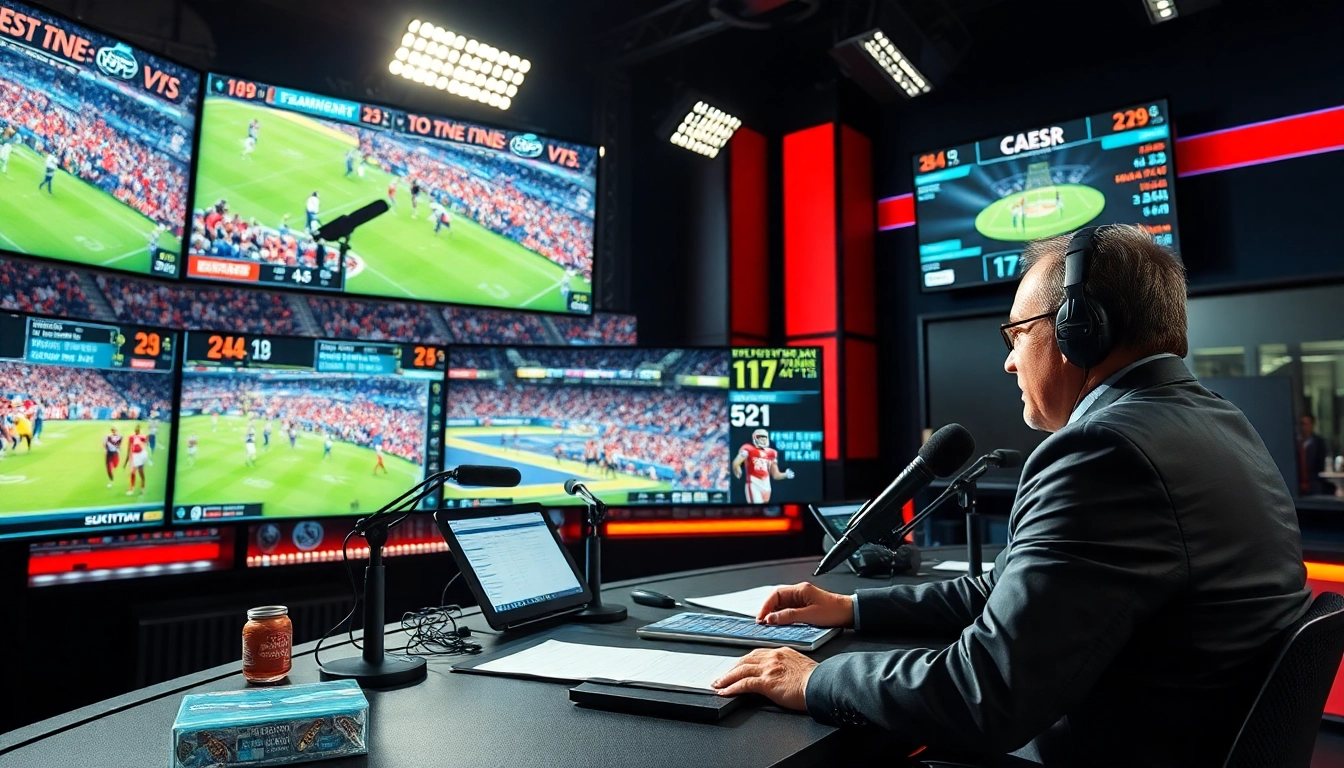
The Fundamentals of Sports Broadcasting
Sports broadcasting plays a vital role in connecting fans with their favorite teams and athletes, bringing the excitement of live sports into everyone's homes. From radio to television and now digital streaming platforms, the evolution of media has forever changed how we consume sports. In this exploration of Sports Broadcasting, we delve into the foundational elements that define this dynamic industry.
Understanding the Role of a Sports Broadcaster
A sports broadcaster is more than just a commentator; they are storytellers, analysts, and personalities. Their primary role is to deliver live coverage, providing play-by-play commentary, analysis, and context to events as they unfold. This role is crucial during live events where broadcasters must engage with the audience, provide insightful commentary, and maintain the energy of the broadcast.
Broadcasters also often conduct interviews with players, coaches, and other sports figures, adding personal insights and human interest stories that enhance the viewing experience. Their work is essential for creating an emotional connection between the audience and the sport.
Essential Skills for Effective Broadcasting
Successful sports broadcasters possess a unique blend of skills, including:
- Communication Skills: Clear and effective communication is essential for captivating an audience.
- Knowledge of the Sport: A deep understanding of the rules, history, and intricacies of the sport enhances analysis and commentary.
- Quick Thinking: Broadcasters must react quickly to events as they happen, adapting commentary to the unfolding action.
- Technical Proficiency: Familiarity with broadcast equipment and technologies is essential for smooth operations.
- Public Speaking: Confidence in front of the camera is vital for engaging presentations.
Types of Sports Broadcasting
There are several different formats of sports broadcasting, including:
- Radio Broadcasting: Offers live commentary and analysis without visual elements, relying on the broadcaster's ability to paint vivid mental pictures.
- Television Broadcasting: Combines visual elements, enhancing storytelling through graphics and video replays.
- Online Streaming: Platforms like Twitch and YouTube have opened new channels for sports content, featuring both live events and commentary.
- Podcasting: Provides analysts and enthusiasts with a platform to discuss sports in depth, often featuring interviews and storytelling.
Key Technologies in Sports Broadcasting
The technological landscape for sports broadcasting is rapidly evolving, transforming how content is produced and consumed. Key technologies play a pivotal role in shaping the viewer experience.
Broadcasting Equipment and Tools
State-of-the-art broadcasting equipment facilitates high-quality coverage of sports events. Essential tools include:
- Cameras: High-definition and 4K cameras capture the action with stunning clarity.
- Audio Equipment: High-quality microphones and sound systems ensure clear commentary and immersive audio.
- Mixing Consoles: These allow broadcasters to adjust audio levels and provide balanced sound quality.
- Graphics Software: Enhances broadcasts with real-time statistics, player information, and engaging visuals.
Live Streaming Platforms and Innovations
The rise of live streaming has revolutionized sports broadcasting. Innovations such as:
- Interactive Features: Platforms now offer functionalities like live chats and polls, allowing viewers to engage in real-time.
- On-Demand Content: Viewers can replay games and highlights on their own schedule.
- Multi-Camera Angles: Offers viewers unique perspectives of the action, enhancing the viewing experience.
Impact of Social Media on Sports Broadcasting
Social media platforms serve as crucial tools for sports broadcasters, fostering direct communication with fans. These platforms allow broadcasters to share highlights, engage in discussions, and promote upcoming events, ultimately enhancing viewer engagement. Additionally, real-time interaction with audiences can lead to a more personalized broadcast experience.
Sports Broadcasting Techniques
To effectively engage audiences, sports broadcasters employ a variety of techniques that elevate their storytelling and analysis.
Commentary Styles and Approaches
Different commentary styles can significantly influence how a broadcast is received:
- Play-by-Play: Provides a running commentary of the event, ideal for keeping the audience up to date with fast-moving sports.
- Color Commentary: Offers analysis and insights that add depth to the broadcast and enhance understanding.
- Fan Interaction: Engaging with fans during broadcasts through social media can create a more immersive experience.
Data Analysis in Game Coverage
Data-driven analysis has become a hallmark of modern sports broadcasting. Broadcasters utilize statistics and analytics to provide deeper insights into gameplay, player performance, and strategy. By making data accessible and understandable, broadcasters can enrich the audience's view of the game.
Engaging Viewers through Storytelling
Effective storytelling can draw in viewers, transforming a routine game into a compelling narrative. Broadcasters often weave in player backgrounds, season storylines, and historical context to connect emotionally with the audience. This method creates a richer viewing experience, beyond mere statistics and play-by-play commentary.
Challenges in Sports Broadcasting
While sports broadcasting offers a thrilling career, several challenges must be navigated to ensure successful broadcasts.
Managing Live Broadcasts
Live broadcasts require meticulous planning and coordination among team members. Broadcasters must be adaptable to unexpected situations, such as weather delays or technical issues, all while keeping the audience engaged and informed.
Dealing with Technical Difficulties
Technical glitches can pose significant challenges during broadcasts. Broadcasters need to be well-versed in troubleshooting techniques and maintain a backup plan for equipment malfunctions to minimize interruptions.
Regulatory and Compliance Issues
Sports broadcasters must navigate various regulatory environments, ensuring compliance with copyright laws, broadcasting rights, and advertising regulations. This requires up-to-date knowledge and the ability to adapt quickly to shifting rules and standards.
The Future of Sports Broadcasting
As sports broadcasting continues to evolve, several trends are emerging that promise to reshape the landscape further.
Emerging Trends and Audience Expectations
Today's audiences are increasingly demanding personalized experiences. Broadcasters must adapt by integrating viewer feedback, providing customizable content, and enhancing interaction through social media to cater to these evolving preferences.
Virtual Reality and Augmented Experiences
Advancements in VR and augmented reality are revolutionizing how fans engage with sports. By offering immersive experiences, broadcasters can enhance viewer engagement, allowing fans to feel as if they are part of the action.
Globalization of Sports Broadcasting
The globalization of sports broadcasting allows fans from different countries to access content, creating opportunities for cross-border engagements and collaborations. This trend will likely extend the reach of sports globally, fostering new fan bases and enhancing cultural exchange through sport.
FAQs About Sports Broadcasting
What skills are needed for a career in sports broadcasting?A successful sports broadcaster needs strong communication skills, knowledge of sports, and the ability to think critically and quickly on their feet.How has technology changed sports broadcasting?Advancements in technology have introduced high-definition broadcasts, instant replays, and interactive features allowing viewers to engage more deeply with the games.What platforms are best for sports broadcasting?Popular platforms include ESPN, Fox Sports, and emerging digital platforms like Twitch and YouTube, offering diverse audience reach.What are common challenges faced in sports broadcasting?Common challenges include managing live feeds, dealing with unexpected events during broadcasts, and adhering to regulations regarding content and advertising.How do broadcasters stay relevant in a rapidly changing landscape?Broadcasters stay relevant by adapting to new technologies, engaging with viewers on social media, and continuously updating their knowledge of sports trends.