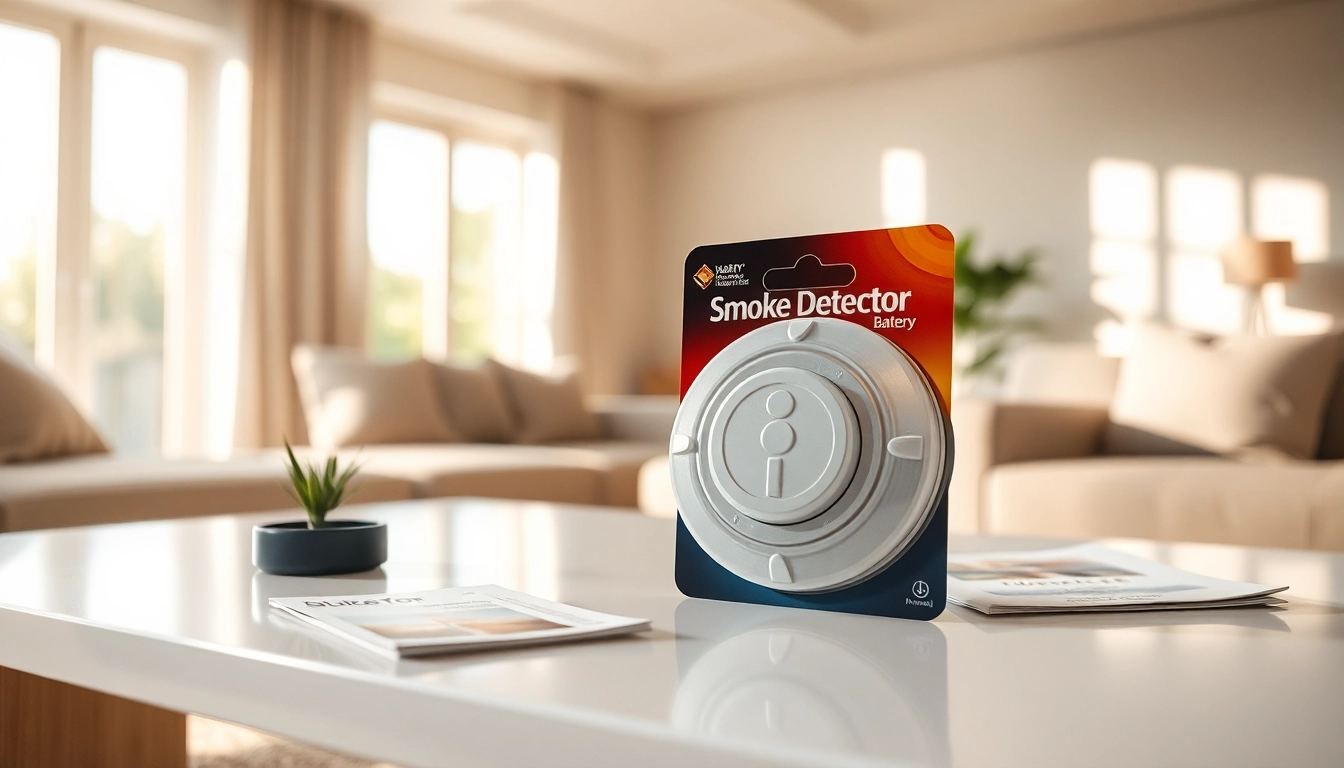
Understanding Smoke Detector Batteries
Smoke detectors are critical for ensuring safety in homes and businesses. Central to their functionality is the battery that powers them. Understanding the different types of smoke detector battery options available, their lifespans, and maintenance requirements can significantly enhance the performance of these life-saving devices. This section delves into the various types of smoke detector batteries, their life expectancy, maintenance practices, and signs of battery failure.
Types of Smoke Detector Batteries
Smoke detectors typically utilize two primary types of batteries: alkaline batteries and lithium batteries.
- Alkaline Batteries: These are the most common type used in smoke detectors. They are affordable and widely available. However, they need to be replaced regularly, typically every 6 to 12 months, depending on usage and smoke detector recommendations.
- Lithium Batteries: Often employed in more advanced smoke detectors, lithium batteries have a longer shelf life, generally lasting between 5 to 10 years without requiring replacement. They are sometimes built directly into the smoke detector, necessitating the entire unit's replacement at the end of the battery's life.
Battery Life and Maintenance
Maintaining the battery life of smoke detectors is crucial for uninterrupted operation. For alkaline batteries, regular checks and timely replacements are essential, while lithium batteries, being longer-lasting, require less frequent attention. Nonetheless, homeowners should still monitor for signs of warning, such as chirping sounds indicating low battery status.
To prolong the life of smoke detector batteries:
- Keep smoke detectors clean, as dust and debris can interfere with their function.
- Test the detectors monthly to ensure they are working correctly.
- Replace batteries during daylight savings time changes for consistency.
Signs of a Failing Smoke Detector Battery
Recognizing the signs of a failing smoke detector battery is vital. Common indicators include:
- Chirping Sound: A persistent chirping is a reliable warning that it's time to replace the battery.
- Frequent False Alarms: If your smoke detector begins to go off without cause, it could indicate a battery issue.
- Flashing LED Light: Some smoke detectors have an LED indicator that flashes when the battery is low.
How to Properly Install Your Smoke Detector
The installation of smoke detectors is pivotal for maximizing safety. Correct placement and installation can significantly increase the chances of early detection in case of fire.
Step-by-Step Installation Guide
- Select the Right Type: Choose between battery-operated or hardwired smoke detectors based on your home's electrical setup.
- Check Local Regulations: Ensure compliance with local laws and guidelines regarding smoke detector installation and placement.
- Choose Proper Locations: Install smoke detectors on every level of your home, inside bedrooms, and outside sleeping areas.
- Secure Your Detector: Use anchors and screws if necessary to ensure stability, especially on ceilings or uneven surfaces.
- Test After Installation: After installation, run a test to ensure the smoke detector is functioning correctly.
Common Installation Mistakes
Avoiding common mistakes during installation can enhance the effectiveness of your smoke detectors:
- Ignoring Placement Guidelines: Failing to install detectors in critical locations can jeopardize safety.
- Overlooking Maintenance Instructions: Not adhering to the manufacturer's guidelines can result in unexpected failures.
- Neglecting to Test Regularly: Once installed, forgetfulness concerning regular testing can lead to malfunction during emergencies.
Choosing the Right Location for Detection
Different areas of a home require specific placement considerations for smoke detectors:
- Ceilings: Install smoke detectors on ceilings or high walls since smoke rises.
- Within Bedrooms: Place detectors within every sleeping area to alert occupants directly.
- Avoid Cooking Areas: Install smoke detectors away from kitchens or bathrooms to minimize false alarms.
Upgrading Your Smoke Detector Battery
Knowing when and how to upgrade your smoke detector batteries is key to maintaining safety standards in your home.
When to Replace Your Battery
The National Fire Protection Association (NFPA) advises replacing smoke detector batteries at least once a year. However, specific smoke detectors may require more frequent replacements, particularly those using alkaline batteries. Always refer to your smoke detector's user manual for detailed instructions.
Choosing the Best Replacement Options
When replacing smoke detector batteries, consider the following:
- Compatibility: Ensure batteries match the specifications outlined in your smoke detector's manual.
- Brand Reliability: Opt for batteries from reputable manufacturers to ensure optimal performance.
- Lithium vs. Alkaline: Weigh the benefits of longer-lasting lithium batteries against the short-term cost advantages of alkaline batteries.
Features to Look for in a Smoke Detector Battery
When selecting a smoke detector battery, consider these features:
- Long Shelf Life: Look for batteries that offer a long shelf life, especially if opting for alkaline.
- Leak Resistance: Choose batteries that are designed to resist leaking to prevent damage to your smoke detector.
- Temperature Tolerance: Ensure the battery can perform in various temperature ranges common in homes.
Safety Tips for Smoke Detectors
Implementing comprehensive safety practices can significantly enhance the effectiveness of smoke detectors in your home or business.
Testing Your Smoke Detector Regularly
Frequent testing is recommended to ensure smoke detectors function optimally. Homeowners should test detectors at least once a month:
- Press the test button until the alarm sounds.
- Listen for the alarm and check that it operates correctly.
- Replace batteries immediately if the alarm fails to sound.
Best Practices for Home Safety
In addition to maintaining smoke detectors, homeowners should consider broader fire safety practices:
- Establish and practice a family escape plan that includes multiple routes out of the home.
- Keep flammable materials stored safely and away from heat sources.
- Educate family members on the importance of fire safety and smoke detector functions.
Emergency Preparedness Plans
An effective emergency preparedness plan should incorporate the role of smoke detectors:
- Identify escape routes and practice fire drills with the family.
- Ensure that everyone knows how to operate smoke detectors effectively.
- Keep emergency contact numbers visible and accessible.
The Future of Smoke Detector Batteries
As technology progresses, the future of smoke detector batteries looks promising, with innovations that could enhance safety and performance.
Innovations in Battery Technology
Advancements in battery technology, such as the development of solid-state batteries, may soon provide longer-lasting, safer, and more efficient power sources for smoke detectors, thereby reducing the frequency of replacements and improving reliability.
Eco-Friendly Battery Options
With rising environmental consciousness, manufacturers are focusing on developing eco-friendly battery options for smoke detectors. These batteries are designed to reduce environmental impacts while maintaining performance standards.
Smart Smoke Detectors: Are They Worth It?
Smart smoke detectors are gaining popularity due to their advanced features, such as connectivity to home automation systems. They offer benefits like remote monitoring and alerts to mobile devices, raising the question of whether they are worth the investment. For tech-savvy households, the benefits may outweigh the costs, providing added layers of safety.