Overview of Mogadishu km square
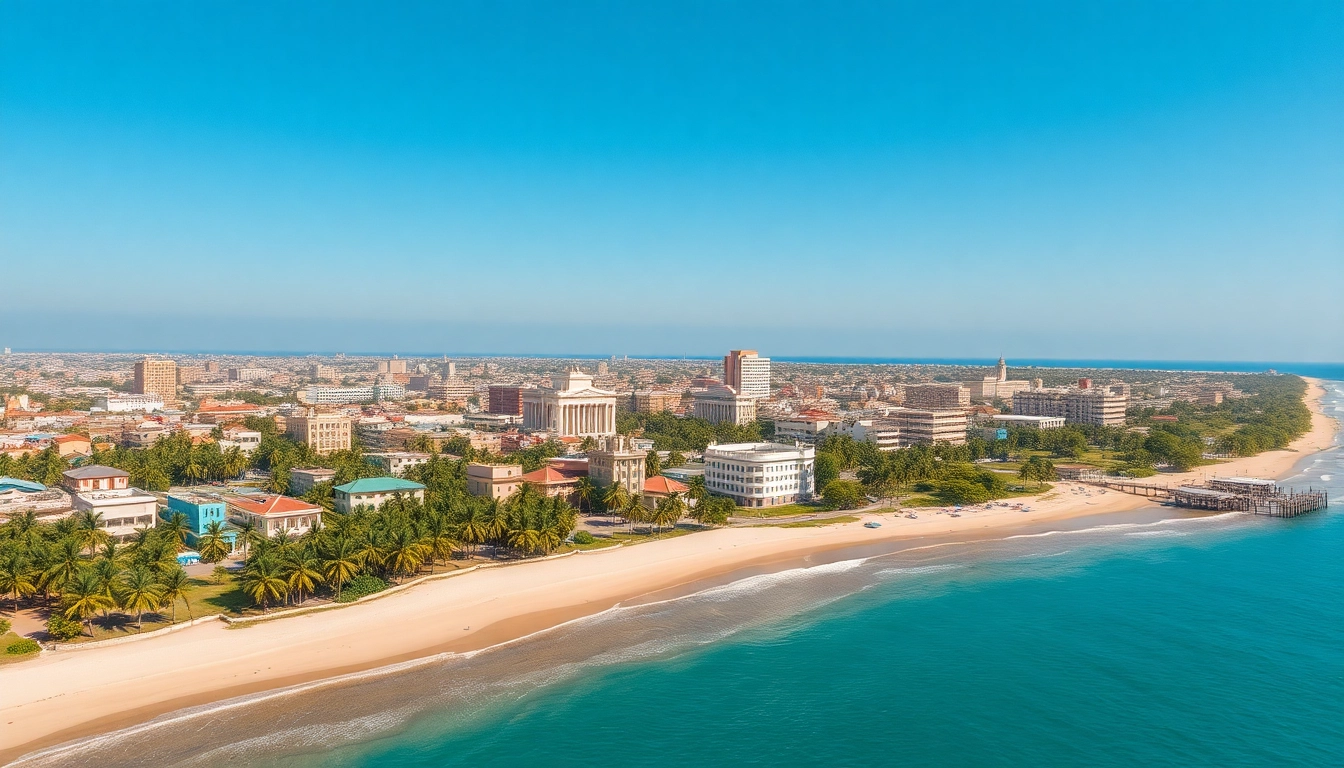
Mogadishu km square encompasses the heart of Somalia’s largest city, a vibrant urban area rich in history and culture. Located along the Indian Ocean, it serves not only as a central hub for the nation’s economic and political activities but also as a captivating destination for locals and tourists alike. The intersection of cultural heritage and modernity encapsulated within this area is a testimony to Mogadishu's resilient spirit amidst challenges. For a closer look at the city’s layout and features, one can explore the mogadishu km square, where tradition meets contemporary urban living.
Historical Significance of the Area
Mogadishu's rich historical tapestry is woven with tales of ancient trade routes and a flourishing culture that dates back centuries. As a vital port city, it has been the focal point for merchants from across the globe, including Arabs, Persians, and later Europeans. Traces of this history are visible in the city’s architecture, from ancient stone structures to modern buildings. Significant historical sites such as the Arba'a Rukun Mosque and the former presidential palace, Villa Somalia, further reflect Mogadishu's storied past.
Geographical Features and City Layout
The geographical features surrounding Mogadishu km square are as diverse as its culture. The city's layout reveals a blend of residential areas, commercial hubs, and recreational spaces. Its coastal location is marked by stunning beaches, such as Lido Beach, which attracts both locals and visitors looking for leisure. The distinctive urban design balances modern city planning with the need for communal space, making areas like the central market vital for daily life and commerce.
Cultural Highlights and Landmarks
Mogadishu km square is not devoid of cultural richness. The local culture thrives through its various festivals and events that showcase Somali music, dance, and cuisine. Key landmarks include the National Museum, which houses artifacts dating back to ancient times, and the iconic Landmark Hotel, a symbol of modern Mogadishu. The vibrant street art scene and artisanal markets further illustrate the creativity and resilience of its people.
Urban Development in Mogadishu km square
Modern Infrastructure Projects
In recent years, Mogadishu km square has witnessed considerable urban development with infrastructure projects aimed at improving the city's functionality and aesthetics. The city has embarked on creating modern roads, bridges, and public facilities, enhancing connectivity and accessibility across the region. Notable projects include the Mogadishu International Airport upgrade and the construction of new residential complex developments, which signify a progressive step towards urban modernization.
Impact on Local Economy
The ongoing developments in Mogadishu km square significantly influence the local economy by spurring job creation and encouraging investments. New businesses are emerging alongside the infrastructural improvements, fostering entrepreneurship among the local community. The enhanced trade environment is attracting international businesses, positioning Mogadishu as a critical player in East African trade.
Sustainability Initiatives
Amidst modernization, Mogadishu km square has also embraced sustainability initiatives aimed at preserving the environment while promoting growth. City planners are focusing on green spaces, waste management systems, and renewable energy sources. Strategies include the integration of parks and planting trees throughout urban areas to combat pollution and improve the quality of life for residents. These efforts not only benefit the environment but also enhance community well-being.
Exploring the Natural Beauty of Mogadishu
Coastal Attractions and Beaches
Mogadishu boasts an array of coastal attractions that provide breathtaking views and recreational opportunities. The pristine beaches, such as Jazeera and Lido, offer activities ranging from sunbathing to water sports, ensuring there is something for everyone. The uniqueness of Mogadishu's coastline lies in its clean stretches of sand and vibrant local culture, making it a beloved destination for both locals and tourists.
Green Spaces and Parks
Amidst urban development, the importance of green spaces in Mogadishu km square cannot be understated. Parks and recreational areas promote community engagement and serve as vital habitats for local wildlife. Initiatives to create more accessible parks encourage families to enjoy outdoor activities, fostering a sense of community and enhancing the city’s livability.
Wildlife and Conservation Areas
Conservation efforts around Mogadishu km square aim to protect the rich biodiversity of the region. Areas designated for wildlife protection ensure the preservation of native species and their habitats. Environmental organizations work locally to promote awareness about conservation, allowing residents to engage in practices that safeguard their natural heritage.
Challenges Faced by Mogadishu km square
Urbanization and Population Growth
Mogadishu km square faces unique challenges due to rapid urbanization and population growth. The demand for housing has sparked a surge in construction, leading to informal settlements. Overcrowding has resulted in strained resources, where essential services struggle to keep pace with the expanding population. Comprehensive urban planning strategies are crucial in addressing this challenge effectively.
Environmental Concerns
As urbanization accelerates, environmental concerns arise, posing risks to both the local population and ecosystems. Issues such as pollution, waste management, and coastal erosion threaten the natural balance in Mogadishu km square. Establishing guidelines for responsible urban growth and promoting environmental awareness among the community are steps toward mitigating these challenges.
Social Issues and Community Engagement
Social issues, including unemployment and poverty, remain prevalent in Mogadishu km square. Community engagement is vital for addressing these challenges, as local ownership fosters sustainable development. Initiatives focusing on education, skills training, and community-building projects empower residents, facilitating the transformation of Mogadishu into a thriving metropolis.
Future of Mogadishu km square
City Planning and Development Strategies
For Mogadishu km square to flourish, strategic city planning is instrumental. Balancing urbanization with sustainability, while incorporating feedback from community members, lays the groundwork for effective development. Innovative technologies in city management can streamline processes and address urban challenges, ensuring that growth benefits all citizens.
Tourism Potential and Opportunities
Tourism presents significant opportunities for Mogadishu km square, given its historical richness and natural beauty. Strategic marketing efforts to highlight attractions can draw visitors domestically and internationally. Local entrepreneurs should be encouraged to create tourism-related businesses, supporting the economy while showcasing the city's unique culture and heritage.
Community Resilience and Engagement
The future of Mogadishu km square depends on fostering community resilience. Citizens participating in local governance and decision-making promotes social cohesion and empowerment. Engagement initiatives, such as community forums and collaborative projects, allow residents to partake in shaping their environment, nurturing a collective sense of ownership and responsibility.
Frequently Asked Questions
What is the significance of Mogadishu km square?
Mogadishu km square is the heart of Somalia’s capital, reflecting a blend of rich history and modern urban life. It serves as a vital hub for commerce and cultural expression.
What challenges does Mogadishu km square face?
Challenges include rapid urbanization, population growth, environmental issues, and social inequality, which require strategic planning and community engagement to address.
What are the key landmarks in Mogadishu km square?
Key landmarks include the National Museum, Arba'a Rukun Mosque, and the Landmark Hotel, showcasing the city’s cultural and historical significance.
What natural attractions can be found in Mogadishu?
Mogadishu features stunning beaches like Lido Beach, green parks, and conservation areas that support local wildlife and provide recreational opportunities.
How is Mogadishu km square being developed sustainably?
Urban development is focusing on integrating green spaces, waste management, and renewable energy to ensure a sustainable future while promoting economic growth.