What Are Anxiety Symptoms? Understanding the Basics
Defining Anxiety Symptoms
Anxiety symptoms can be characterized as a set of physical and psychological responses that signal our body’s reaction to stress or perceived threats. These symptoms can range from mild feelings of unease to overwhelming levels of distress that interfere with daily life. It is crucial to understand these symptoms not just as simple feelings but as complex interactions between the brain, body, and environment. In fact, a deep understanding of anxiety symptoms allows individuals to better manage their condition and seek appropriate help when necessary.
Common Physical Anxiety Symptoms
Physical anxiety symptoms often manifest in ways that can be alarming for those who experience them. Common physical manifestations include:
- Elevated heart rate or palpitations
- Shortness of breath or a feeling of choking
- Muscle tension, especially in the neck and shoulders
- Excessive sweating, particularly on the palms and underarms
- Gastrointestinal issues such as nausea or diarrhea
- Fatigue and sleep disturbances
These symptoms can create a vicious cycle, where the anxiety about experiencing physical symptoms can further exacerbate anxiety levels, leading to even more pronounced physical reactions.
Common Emotional Anxiety Symptoms
Equally important are the emotional symptoms of anxiety, which may include:
- Persistent feelings of worry or dread
- Increased irritability or frustration
- Concentration difficulties or a sense of mental fog
- Heightened alertness and hyper-vigilance
- A pervasive sense of impending doom
Recognizing these emotional markers is crucial for establishing whether what you’re experiencing is anxiety or if it may be related to another issue, such as depression or stress.
Identifying Anxiety Symptoms in Daily Life
Situational Triggers of Anxiety Symptoms
Identifying situations that trigger anxiety symptoms is critical for effective management. Common triggers can vary considerably among individuals, but often include:
- Public speaking or social gatherings
- Work-related pressure, such as deadlines or performance evaluations
- Family or relationship conflicts
- Personal challenges like financial stress or health concerns
Each trigger can lead to a predictable set of anxiety symptoms that can help individuals identify and respond to their anxiety effectively.
Recognizing Patterns of Anxiety Symptoms
Understanding your unique pattern of anxiety symptoms is essential. Individuals often find particular situations or thoughts that trigger specific responses. Keeping a journal or using a mobile app to track both physical and emotional responses can illuminate these patterns, making it easier to anticipate and manage future symptoms.
Impact of Stress on Anxiety Symptoms
Stress and anxiety are deeply interrelated. While stress can trigger anxiety symptoms, chronic anxiety can also make you more susceptible to stress. The physical response to stress can lead to increased fatigue, irritability, and difficulty concentrating, which in turn can worsen anxiety symptoms. Thus, developing effective stress management strategies can be a significant part of reducing anxiety symptoms.
Effective Coping Strategies for Anxiety Symptoms
Breathing Techniques to Alleviate Anxiety Symptoms
One of the simplest yet most effective ways to manage anxiety symptoms is through controlled breathing techniques. Practicing deep breathing exercises can activate the body's relaxation response, countering the stress response that accompanies anxiety:
- Find a quiet place and sit comfortably.
- Inhale deeply through your nose for a count of four.
- Hold the breath for a count of four.
- Exhale slowly through your mouth for a count of four.
- Pause for another count of four before taking your next breath.
Repeat this cycle for several minutes, focusing on the sensations of your breath to help anchor your mind in the present.
Mindfulness Practices for Managing Anxiety Symptoms
Mindfulness practices, such as meditation or yoga, can also help alleviate anxiety symptoms. These practices encourage staying present and focused, which can mitigate the relentless cycle of worry and fear:
For example, mindfulness meditation focuses on observing thoughts without judgment, allowing individuals to create space between themselves and their anxious thoughts. Yoga involves both physical movement and mindful breathing, which can cultivate a sense of calm.
Physical Activity and Its Role in Reducing Anxiety Symptoms
Engaging in regular physical activity has been shown to reduce the severity of anxiety symptoms. Exercise releases endorphins, chemicals in the brain that act as natural stress relievers. Activities such as walking, running, or joining a fitness class can provide a double benefit: lowering anxiety and improving overall physical health. Aim for at least 30 minutes of moderate exercise most days of the week to reap these benefits.
Professional Help for Severe Anxiety Symptoms
Therapeutic Approaches for Anxiety Symptoms
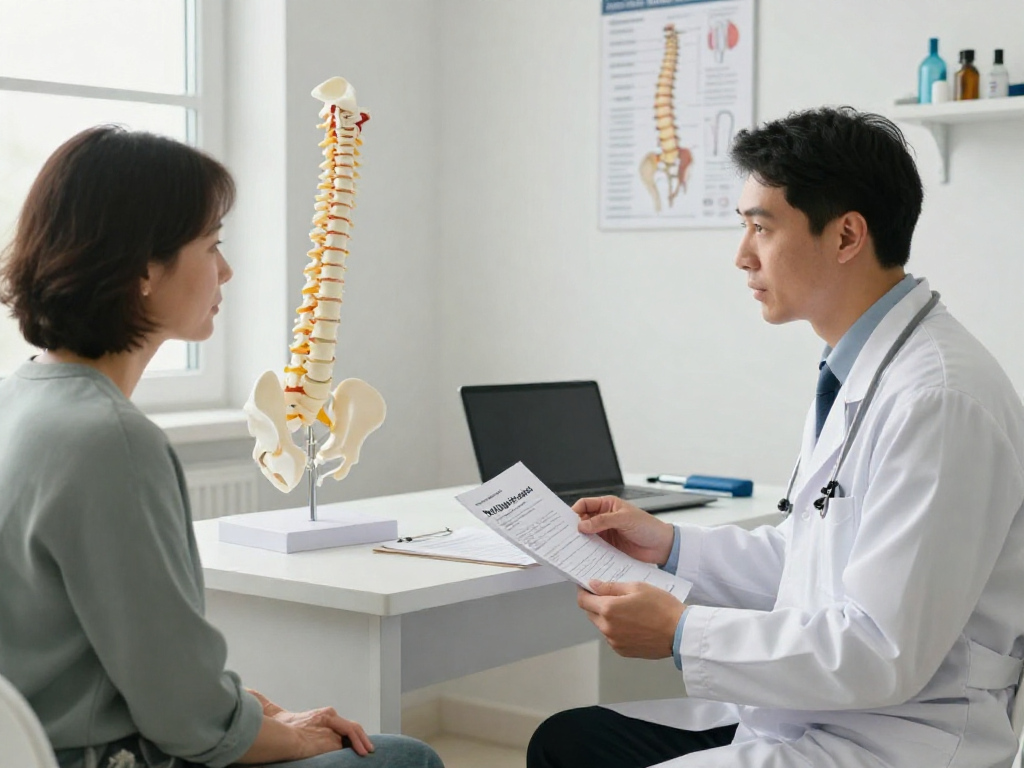
While self-help strategies can be beneficial, professional guidance is often necessary for severe anxiety symptoms. Different therapeutic approaches can be effective:
- Cognitive-behavioral therapy (CBT), which focuses on changing negative thought patterns.
- Exposure therapy, which helps individuals face their fears in a controlled environment.
- Acceptance and commitment therapy (ACT), encouraging acceptance of negative feelings while committing to personal values and goals.
Working with a qualified mental health professional can help tailor these approaches to your specific needs.
Medication Options for Managing Anxiety Symptoms
In some cases, medication may be prescribed as part of a comprehensive treatment plan for anxiety symptoms. Common medication options include:
- Selective serotonin reuptake inhibitors (SSRIs)
- Serotonin and norepinephrine reuptake inhibitors (SNRIs)
- Benzodiazepines for short-term relief
It’s important to discuss benefits and potential side effects with a healthcare provider to ensure appropriate management.
How to Choose a Mental Health Professional for Anxiety Symptoms
Choosing the right mental health professional is vital for effective treatment. Consider these factors:
- The professional's qualifications and specialties
- Compatibility in communication style and approach
- Reviews or recommendations from previous patients
Finding someone you feel comfortable with can significantly enhance the therapeutic process.
Frequently Asked Questions about Anxiety Symptoms
What are the most common signs of anxiety symptoms?
The most common signs include excessive worry, restlessness, difficulty concentrating, and physical symptoms like rapid heartbeat.
Can anxiety symptoms manifest physically?
Yes, physical anxiety symptoms can include muscle tension, headaches, stomachaches, and fatigue.
How can lifestyle changes affect anxiety symptoms?
Lifestyle changes like regular exercise, healthy eating, and adequate sleep can significantly help reduce anxiety symptoms.
When should I seek professional help for anxiety symptoms?
You should seek help if anxiety symptoms interfere with daily life, relationships, or overall well-being.
Are there natural remedies for anxiety symptoms?
Natural remedies include herbal supplements, yoga, meditation, and aromatherapy, which may help alleviate anxiety symptoms.