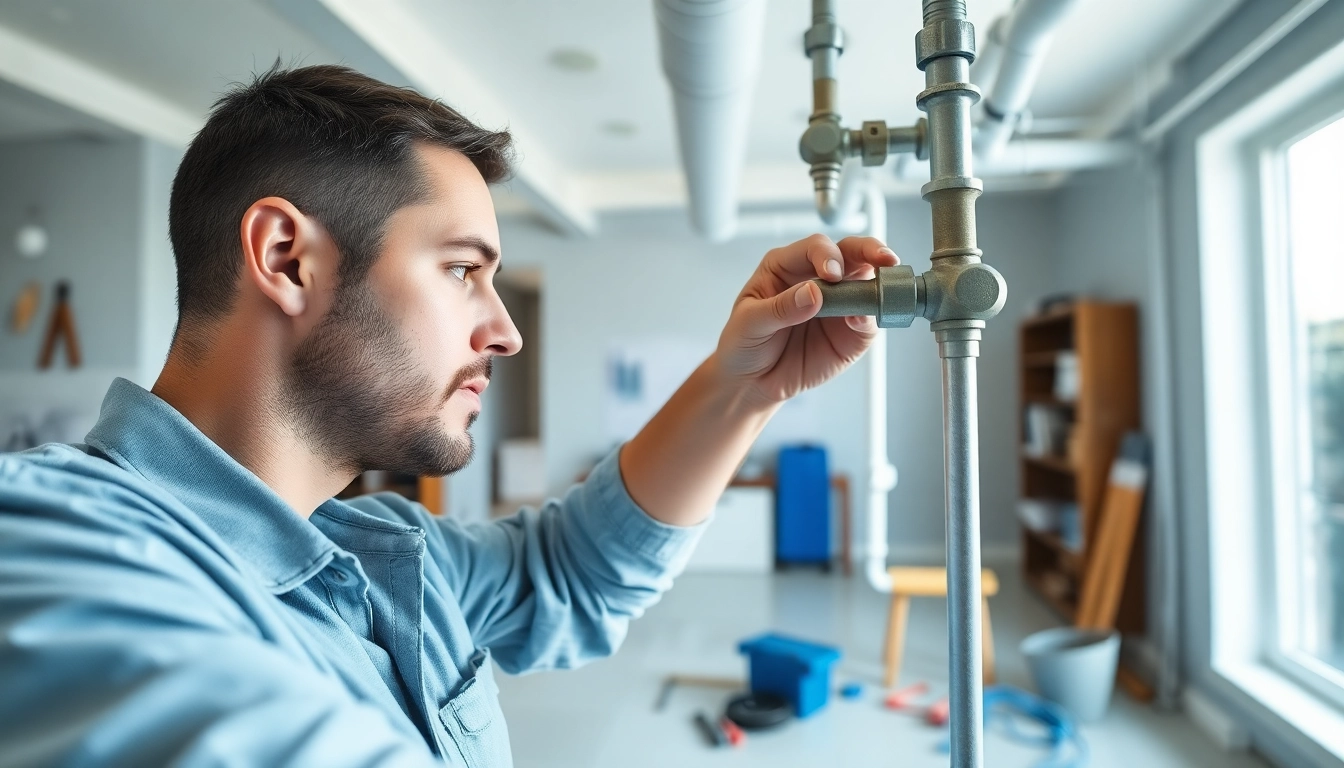
Understanding Whole House Repiping Clearwater FL
What is Whole House Repiping?
Whole house repiping refers to the process of replacing old or damaged plumbing pipes throughout an entire residence. This method is often necessary when homes experience persistent plumbing issues that cannot be resolved with localized repairs. Whole house repiping involves the removal of existing pipes, which may be outdated or made from materials no longer deemed safe, and their replacement with new piping materials such as copper or PEX. It ensures that the entire plumbing system is updated, thus enhancing overall home safety and functionality.
Benefits of Whole House Repiping Clearwater FL
Investing in Whole House Repiping Clearwater FL comes with numerous advantages. Firstly, it dramatically improves the water quality in your home by eliminating pipe corrosion and buildup. Secondly, newer pipes can significantly enhance water pressure and delivery, leading to a better overall experience when using faucets, showers, and appliances. Additionally, repiping can reduce the risk of leaks and catastrophic pipe failures, which can lead to expensive water damage repairs and mold remediation. This proactive approach not only preserves property value but also enhances comfort and peace of mind for homeowners.
Common Signs You Need Repiping
Identifying when your home may need repiping is crucial for maintaining a safe and efficient plumbing system. Below are some common indicators:
- Frequent Leaks: Persistent leaks in different areas of your home may suggest widespread pipe deterioration.
- Corroded Pipes: If you notice corrosion on exposed pipes, it’s a clear sign that internal degradation is taking place.
- Discolored Water: Rust-colored or brown water can indicate rust buildup in your pipes.
- Low Water Pressure: A significant reduction in water pressure across multiple fixtures may point to blockages or pipe deterioration.
- Strange Noises: Unusual sounds like banging or clanging can indicate loose or damaged pipes.
Cost Considerations for Whole House Repiping Clearwater FL
Average Costs and Budgeting for Repiping
The cost of whole house repiping can vary widely based on numerous factors, including the home's size, the type of materials used, and the existing pipe conditions. On average, homeowners might expect to spend anywhere from $5,000 to $15,000. It is essential to budget not just for labor and materials but also for potential unforeseen expenses. Obtaining estimates from reputable plumbing contractors can help provide a clearer financial landscape before undertaking such a significant project.
Factors Affecting Repiping Costs
Several elements can impact the overall cost of repiping:
- Home Size: Larger homes require more material and labor.
- Pipe Material: Copper piping tends to be more expensive than PEX but may offer different benefits.
- Accessibility: Pipes that are difficult to access can lead to higher labor costs.
- Local Permit Fees: Depending on your city's regulations, permit fees may apply.
- Existing Damage: If significant damage or mold is detected, additional repairs may be necessary.
Financing Options for Homeowners
Homeowners considering whole house repiping should explore various financing options to manage costs comfortably. Many plumbing companies offer financing plans that allow payments over time. Additionally, homeowners can look into home renovation loans or home equity lines of credit (HELOC) as potential funding sources to cover the upfront costs of the project. Always consult with a financial advisor or a trusted lending institution to understand the best options available based on individual financial situations.
Choosing the Right Materials for Repiping
Types of Piping Materials
When it comes to repiping, homeowners typically have a choice among several materials:
- Copper: Known for its durability and resistance to corrosion, copper has been a standard choice for decades. It can last up to 70 years but is relatively costlier.
- PEX (Cross-Linked Polyethylene): PEX is gaining popularity due to its flexibility and resistance to scale and chlorine. It also stands up well against freezing and expansion.
- CPVC (Chlorinated Polyvinyl Chloride): A less expensive option than copper, CPVC can withstand high temperatures and is resistant to corrosion.
Comparing Copper vs. PEX Piping
When comparing copper to PEX, there are essential factors to consider. Copper provides a long-lasting solution and possesses natural antimicrobial properties, making it a hygienic option. However, its increased cost can be a deterrent for some homeowners. On the other hand, PEX piping is more affordable and quicker to install, which can reduce labor costs. PEX also allows for fewer fittings, minimizing potential leak points. Ultimately, the choice between copper and PEX should be based on budget, preferences, and specific plumbing needs.
Long-Term Benefits of Quality Materials
Selecting quality materials for repiping may require a higher initial investment but offers significant long-term benefits. Durable materials can reduce the likelihood of future plumbing issues, which in turn can save homeowners on repair costs over time. Furthermore, modern piping materials often come with warranties, providing additional peace of mind. Investing in high-quality pipes can lead to lower maintenance needs and a more efficient plumbing system overall, making it a wise choice for the future.
Finding Qualified Professionals for Whole House Repiping Clearwater FL
Questions to Ask Your Plumber
When seeking a plumbing contractor for your repiping project, it’s crucial to ask the right questions to ensure you're hiring a qualified professional. Consider asking:
- What is your experience with whole house repiping?
- Are you licensed and insured?
- Can you provide references from past projects?
- How will you handle unexpected issues that arise during the project?
- What warranty do you offer on the work performed?
Verifying Credentials and Licenses
Before hiring a plumber, always verify their credentials and licenses. Most states require plumbers to hold specific licenses that ensure they meet industry standards. You can check your local governing body for licensing information and confirm that the plumber carries proper insurance to protect you from potential liabilities during the project. Always prioritize licensed and insured professionals to safeguard your home and finances.
Reviews and Recommendations
Word-of-mouth referrals and online reviews can provide invaluable insights when selecting a plumber. Ask friends, family, or neighbors for recommendations based on their experiences. Additionally, peruse online platforms to read customer reviews and ratings. Look for consistent feedback regarding quality of work, professionalism, and reliability. A contractor with a solid reputation is more likely to deliver satisfactory results.
Maintaining Your Newly Repiped Home
Tips for Ongoing Plumbing Maintenance
After a successful whole house repiping, ongoing maintenance is vital to ensuring the longevity of your new plumbing system. Here are some practical tips:
- Regularly check for leaks under sinks and around appliances.
- Consider installing a water softener if you have hard water to prevent buildup in your pipes and fixtures.
- Flush your water heater yearly to remove sediment accumulation.
- Be mindful of what you flush and pour down drains to reduce clogs.
- Schedule annual plumbing inspections to catch issues early.
Signs of Potential Issues Post-Repiping
Even with a new plumbing system, it’s important to remain vigilant for signs of trouble. Look out for increasing water bills, unusual noises from the pipes, persistent dampness in walls or ceilings, and changes in water pressure. Addressing these concerns early can prevent larger issues from developing and protect your investment in your newly repiped home.
When to Schedule Routine Inspections
Routine plumbing inspections are recommended at least once a year. However, if your home is older or if you notice any signs of plumbing problems, you should consider more frequent evaluations. During an inspection, a licensed plumber can check for leaks, assess pipe integrity, and identify potential issues before they escalate into costly repairs.
FAQs About Whole House Repiping Clearwater FL
How much time does whole house repiping take?
The duration of a whole house repiping project can vary, typically ranging from one to three days, depending on the home's size and complexity of the plumbing system.
Can I stay in my home during repiping?
While it's often possible to stay home during repiping, some disruptions may necessitate temporary relocation. Your plumber will provide guidance based on your specific project.
What should I expect during the process?
During the repiping process, expect noise and limited water access. The plumbers will make necessary connections to ensure your water service is restored as quickly as possible.
Are there any permits needed for repiping?
Most localities require permits for repiping projects. Your licensed plumber typically manages this aspect and ensures all work is compliant with local codes.
How to prepare my home for repiping?
To prepare your home for repiping, clear areas around plumbing fixtures and provide easy access to pipes. Consider relocating valuables that may be affected by noise or debris.