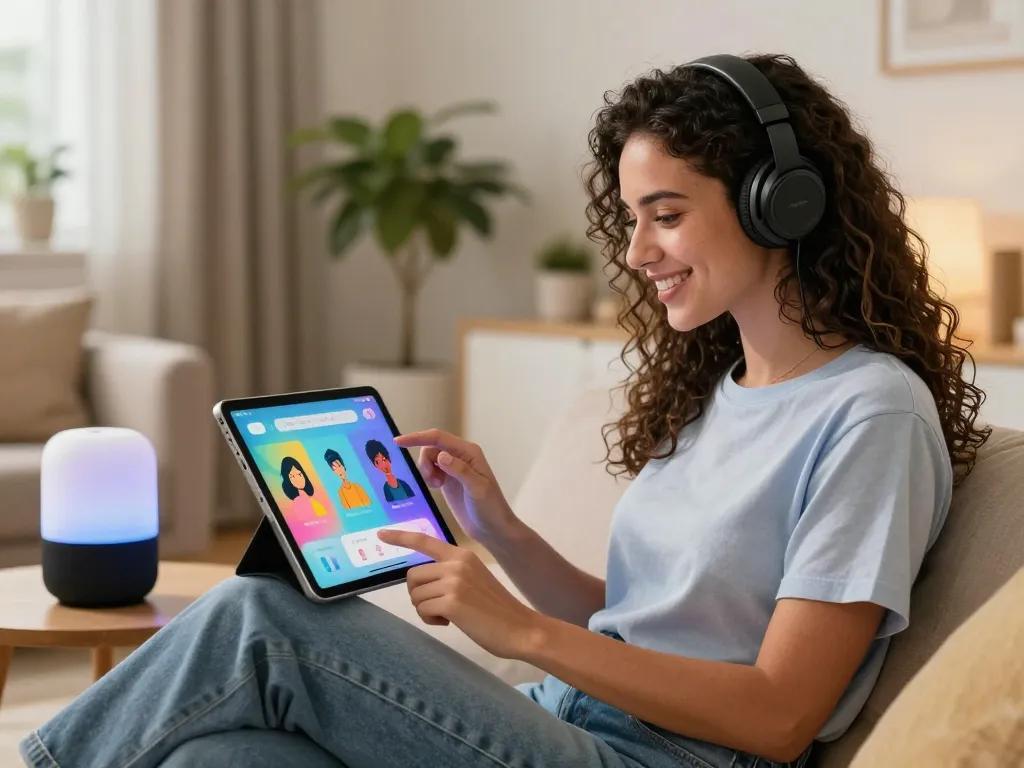
The Evolution of AI in Intimate Relationships
The landscape of intimate relationships is rapidly shifting due to advancements in artificial intelligence (AI). The emergence of AI sex technologies is redefining not only how individuals experience intimacy but also how emotional connections are formed. As AI continues to evolve, it raises both exciting opportunities and significant challenges in the realm of human relationships. When exploring options, ai sex technologies provide comprehensive insights into this evolving field, showcasing various applications and implications for the future.
Understanding AI Sex Technology and Its Development
AI sex technology encompasses a range of applications, from sex robots to virtual companions that simulate human interactions. The development of these technologies has been fueled by advancements in machine learning, natural language processing, and robotics. Early innovations focused on simple chatbots designed to engage users in conversation. However, today’s AI companions can engage in complex dialogues, understand context, and even express emotions, leading to more fulfilling interactions.
For instance, sex robots are being engineered with intricate personalities and physical features designed to cater to user preferences. One notable example is the development of highly realistic sex dolls that utilize AI to respond to users in real-time, providing a quasi-human experience that can simulate companionship. As technology improves, the emotional depth of these interactions is expected to deepen, leading to broader societal implications.
How AI Companions Are Redefining Emotional Connections
The introduction of AI companions is challenging traditional notions of emotional connection. With users forming attachments to virtual entities, the question arises: can these relationships be considered genuine? Many users report developing feelings for their AI companions, often citing their ability to listen and engage without judgment.
For example, research indicates that one in five adults has had intimate encounters with AI chatbots, suggesting a significant shift in how relationships are perceived. This raises intriguing questions about loneliness, emotional fulfillment, and the future of human relationships. Will AI companions serve merely as substitutes for human connection, or could they enhance emotional well-being by addressing user needs that remain unmet in traditional relationships?
Future Trends: AI Sex in 2025 and Beyond
The future of AI sex technology is brimming with possibilities. As we approach 2025, several trends are expected to shape this industry:
- Increased Integration with Smart Home Technology: AI sex technologies are likely to become integrated with smart home devices, offering personalized experiences that sync with users' everyday lives.
- Expansion of Emotional Intelligence: Future AI companions will likely possess enhanced emotional intelligence, enabling them to better understand and respond to human emotions, thus fostering deeper connections.
- Focus on Ethical AI Development: As AI sex technologies gain traction, there will be a growing emphasis on developing ethical frameworks to ensure these technologies are used responsibly and do not perpetuate harmful stereotypes or behaviors.
Ethical Considerations in AI Sex
As AI technologies permeate intimate relationships, ethical considerations become paramount. The implications of using AI in sexual contexts raise complex questions about consent, user agency, and the psychological impacts of these technologies.
Consent and User Agency in AI Relationships
A critical issue in AI sex is the concept of consent. In human relationships, consent involves mutual agreement and understanding. However, with AI companions, the question of whether they can genuinely consent becomes complex. While AI can be programmed to simulate consent, users need to understand the inherent limitations of these interactions.
Furthermore, the dependence on AI for emotional and sexual fulfillment poses risks of diminishing genuine human connections. As individuals turn to AI companions, it is essential to foster an understanding of the importance of real-world relationships and maintain a balance.
Addressing Concerns: Psychological Impacts of AI Sex
The psychological effects of integrating AI companions into intimate relationships are varied. On one hand, these technologies can provide companionship for lonely individuals, improving mental well-being. On the other hand, reliance on AI for emotional support may lead to feelings of isolation or inadequacy when interacting with real people.
Research is ongoing to explore these psychological nuances. For instance, some studies show that while AI companions can fulfill certain emotional needs, they may also exacerbate feelings of loneliness when individuals seek genuine connections but rely on virtual relationships instead.
Legal Frameworks Surrounding AI-Generated Intimacy
The legal landscape regarding AI sex technologies remains underdeveloped. As the industry grows, there is an urgent need for legal frameworks that address potential abuses, such as the creation of non-consensual AI-generated content. Governments and organizations must intervene to ensure ethical practices and protect consumers from exploitation.
Moreover, the protection of intellectual property regarding AI-generated content is becoming increasingly relevant, particularly as creators harness AI to innovate in this space. Legislation will need to evolve to keep pace with technological advancements, ensuring that individuals' rights and safety are prioritized.
Real-World Applications of AI Sex Technology
AI sex technology is not just a theoretical concept; it has practical applications across various fields. These applications highlight the potential benefits and challenges associated with the use of AI in sexual contexts.
Case Studies: Successful Implementation in Therapy
Interestingly, AI companions are being integrated into therapy sessions to help individuals explore their sexual identities and navigate complex emotions. In some cases, therapists use AI-driven tools to provide simulated conversations, allowing clients to express feelings that they may be uncomfortable discussing with a human therapist.
For example, a virtual chat platform has been designed for sexual health professionals to assist patients in understanding their sexual health and wellness, providing accurate information and encouragement in a supportive environment.
Consumer Products: The Rise of AI Companions
The consumer market for AI companions is growing rapidly. High-profile products such as sex robots and interactive dolls are designed to offer companionship and intimacy in varying forms. These products cater to diverse preferences and are becoming increasingly accessible to a broader audience.
Moreover, companies are innovating beyond physical representations of AI companions, developing apps and platforms that harness AI to simulate emotional support through conversation and engagement.
AI in Sexual Health: Opportunities and Challenges
AI's application in sexual health presents both opportunities and challenges. With the potential to provide personalized health information and support, AI tools can empower individuals to better understand their sexual health needs. However, there remain hesitations concerning privacy, data security, and the potential for misinformation.
Ensuring that users receive accurate and reliable information is vital, necessitating stringent measures to validate AI-driven content while respecting user privacy.
Challenges and Misconceptions
Despite the promising developments in AI sex technology, several challenges and misconceptions continue to exist. Addressing these can pave the way for broader acceptance and informed use of these technologies.
Debunking Myths: The Reality of AI Sex
A prevalent myth surrounding AI sex technology is the idea that it promotes unhealthy sexual behaviors or norms. While there are valid concerns regarding the portrayal of unrealistic standards in AI companions, many users engage with these technologies as a means of exploration rather than mere substitutes for human relationships.
Additionally, it is crucial to recognize that many individuals find value in AI companionship, utilizing it as a supplement to real-world connections rather than a replacement.
Common User Pain Points and Solutions
As the market expands, users may encounter pain points such as technical glitches, understanding AI capabilities, and concerns about privacy. Addressing these issues proactively can enhance user experience:
- Education: Providing clear information about what users can expect from AI technologies helps establish reasonable expectations.
- Technical Support: Companies should offer robust support systems to assist users in troubleshooting and maximizing their experiences.
- Privacy Assurance: Transparency about data collection and usage is essential in building trust among users.
Understanding the Risks of AI in Sexual Contexts
While AI sex technologies can offer numerous benefits, they are not without risks. Potential issues include the normalization of unhealthy relational patterns or the advent of dependency on virtual companions for emotional fulfillment. These risks necessitate ongoing conversations about the implications of AI in sexual contexts and the need for ethical considerations in their development and use.
Looking Ahead: The Future of AI in Relationships
As we look forward, the convergence of AI and intimate relationships is poised for rapid evolution. Understanding these dynamics will be crucial in navigating the complexities of AI-driven intimacy.
Predictions for AI Sex Technology by 2030
By 2030, we can expect significant advancements in AI sex technology that will likely include:
- Enhanced Customization: AI companions may evolve to become hyper-personalized, adjusting their interactions based on users’ preferences and emotional states.
- Broader Acceptance in Society: As conversations around AI intimacy become more commonplace, societal acceptance of AI companions may increase, leading to more open discussions about emotional and sexual health.
- Integration into Therapeutic Practices: AI technology may become a standard component of therapeutic practices, providing support and enhancing therapeutic outcomes for clients.
Integrating AI into Personal Lives: Benefits and Implications
Integrating AI into personal lives opens numerous benefits, including emotional support, consistent companionship, and intimate interactions that may be difficult to achieve in traditional relationships. However, individuals will need to navigate the implications of these interactions, ensuring they remain engaged in genuine human connections.
AI's Role in Shaping Future Romance and Relationships
Ultimately, AI is set to reshape how individuals experience romance and relationships. As emotional intelligence in AI continues to advance, users may find new ways to connect, explore intimacy, and engage with their desires. However, it is essential to balance these advancements with ethical considerations, prioritizing healthy relationships and emotional well-being.