
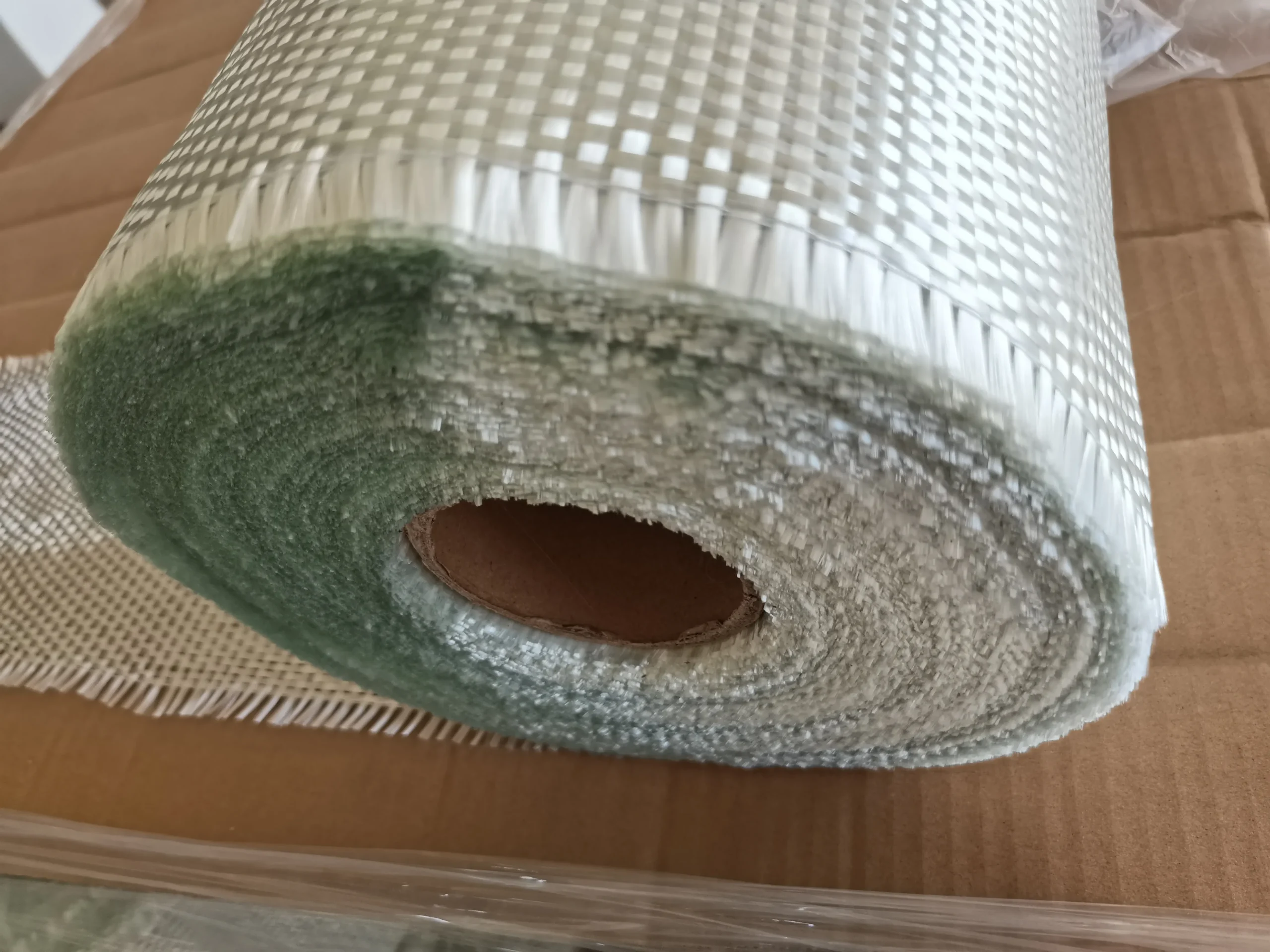
CSM fiberglass mat, or chopped strand mat, is a powerful reinforcement material widely used in the production of reinforced plastics. Its ability to enhance strength, durability, and versatility makes it an essential component in various industries that rely on composite materials. In this article, we’ll explore the key advantages of using CSM fiberglass mat in reinforced plastics and how it contributes to the creation of high-performance products.
What is CSM Fiberglass Mat?
CSM fiberglass mat is a nonwoven fabric made from randomly oriented chopped glass fibers, bonded together with a resin. The mat serves as a reinforcement material in composite plastics, providing improved strength and mechanical properties. Its random fiber arrangement ensures even distribution of stress across the material, which is crucial for enhancing the composite’s resistance to cracking and deformation.
CSM fiberglass mat is commonly used with various resins, including polyester, vinyl ester, and epoxy, making it suitable for a wide range of applications in automotive, aerospace, marine, and construction industries. This versatility and ease of use make it one of the most popular reinforcement materials in the production of reinforced plastics.
Why Choose CSM Fiberglass Mat for Reinforced Plastics?
There are several reasons why CSM fiberglass mat is often the go-to choice for reinforcing plastics. From improving mechanical properties to enhancing the material’s durability, here are some key advantages of using CSM fiberglass mat in reinforced plastics.
1. Increased Strength and Durability
One of the primary reasons for using CSM fiberglass mat in reinforced plastics is its ability to significantly improve the strength and durability of the material. The random orientation of the glass fibers in the mat ensures that stress is evenly distributed, making the composite more resistant to impact, tension, and compression forces.
In applications where high strength is required, such as in automotive parts, structural components, and industrial equipment, CSM fiberglass mat is an essential material. By reinforcing plastic with CSM fiberglass mat, manufacturers can create products that perform well under mechanical stress and remain durable over time.
2. Lightweight and High-Performance
The use of CSM fiberglass mat in reinforced plastics offers a unique combination of lightweight properties and high performance. CSM fiberglass mat helps create composite materials that are lighter than traditional alternatives, such as metals, without compromising on strength. This is particularly advantageous in industries like automotive and aerospace, where reducing weight is essential for improving fuel efficiency and overall performance.
For example, in the automotive industry, using CSM fiberglass mat to reinforce plastic components helps reduce the weight of the vehicle, improving fuel efficiency and reducing emissions. Similarly, in aerospace applications, lightweight composites made with CSM fiberglass mat contribute to reduced fuel consumption and enhanced overall efficiency.
3. Improved Impact Resistance
Impact resistance is another major advantage of CSM fiberglass mat in reinforced plastics. The fibers in the mat absorb and distribute the energy from impacts, preventing localized damage that could lead to fractures or cracks. This ability to withstand impact is crucial for applications where the composite material will be subjected to mechanical forces or external stresses.
In industries such as automotive and construction, CSM fiberglass mat is used to create parts that need to resist impacts and maintain structural integrity. For example, bumpers, fenders, and body panels in cars benefit from the added impact resistance provided by CSM fiberglass mat.
4. Resistance to Environmental Factors
CSM fiberglass mat enhances the resistance of reinforced plastics to environmental factors, including moisture, chemicals, and UV radiation. This resistance makes it an ideal reinforcement material for use in harsh environments, where other materials may degrade over time.
For instance, in marine applications, composites reinforced with CSM fiberglass mat are resistant to corrosion and degradation caused by exposure to water and salt. Similarly, in construction, reinforced plastics with CSM fiberglass mat can withstand exposure to moisture, heat, and chemicals, making them suitable for products like pipes, tanks, and coatings that need to endure demanding conditions.
5. Flexibility in Manufacturing
CSM fiberglass mat is highly adaptable to various manufacturing processes, making it an excellent choice for creating complex shapes and structures. The mat can easily be molded, cut, and shaped to fit the specific needs of different applications. This flexibility allows manufacturers to create custom products with unique properties, tailored to meet the requirements of their industry.
The ease of handling and shaping CSM fiberglass mat makes it an essential material for a wide range of industries. Whether it’s creating lightweight automotive parts or durable marine structures, CSM fiberglass mat can be molded into complex shapes with ease, providing designers with more freedom in their product development.
6. Cost-Effectiveness
CSM fiberglass mat is a cost-effective solution for reinforcing plastics, offering an excellent balance of performance and affordability. Compared to other reinforcement materials, such as carbon fiber, CSM fiberglass mat is significantly more affordable, making it an attractive option for manufacturers looking to reduce production costs without compromising on quality.
The affordability of CSM fiberglass mat makes it an ideal choice for industries that need high-performance composite materials at a lower cost. Whether it’s in automotive, marine, or construction applications, manufacturers can use CSM fiberglass mat to create high-quality reinforced plastics without incurring the high costs associated with other materials.
Applications of CSM Fiberglass Mat in Reinforced Plastics
CSM fiberglass mat is used in a wide range of applications where reinforced plastics are required. Here are some of the most common uses of CSM fiberglass mat:
Automotive Industry
In the automotive industry, CSM fiberglass mat is used to reinforce plastic components, such as body panels, bumpers, fenders, and interior parts. The mat provides the necessary strength and durability for these components while also reducing their weight, which contributes to improved fuel efficiency and overall vehicle performance.
Marine Industry
In the marine industry, CSM fiberglass mat is used to reinforce boat hulls, decks, and other structures. The mat helps create durable, lightweight composites that are resistant to moisture and corrosion, making them ideal for use in the harsh marine environment. Boats and other watercraft built with CSM fiberglass mat can withstand the damaging effects of water and salt, ensuring long-term performance.
Construction Industry
CSM fiberglass mat is also used in construction applications to reinforce concrete, create durable flooring, and produce chemical-resistant coatings. The mat enhances the strength and durability of construction materials, ensuring that they can withstand heavy loads, environmental stressors, and harsh chemicals.
Consumer Goods
CSM fiberglass mat is used in the production of reinforced plastics for consumer goods, such as household appliances, furniture, and sporting equipment. The mat enhances the strength, durability, and aesthetic quality of these products, making them more reliable and long-lasting.
Conclusion
CSM fiberglass mat is an indispensable material in the production of reinforced plastics, offering numerous advantages, including increased strength, durability, and impact resistance. Its lightweight properties and ability to resist environmental factors make it a go-to choice for industries such as automotive, marine, construction, and consumer goods. By incorporating CSM fiberglass mat into their manufacturing processes, companies can create high-performance, reliable composite materials that meet the demands of their industry.