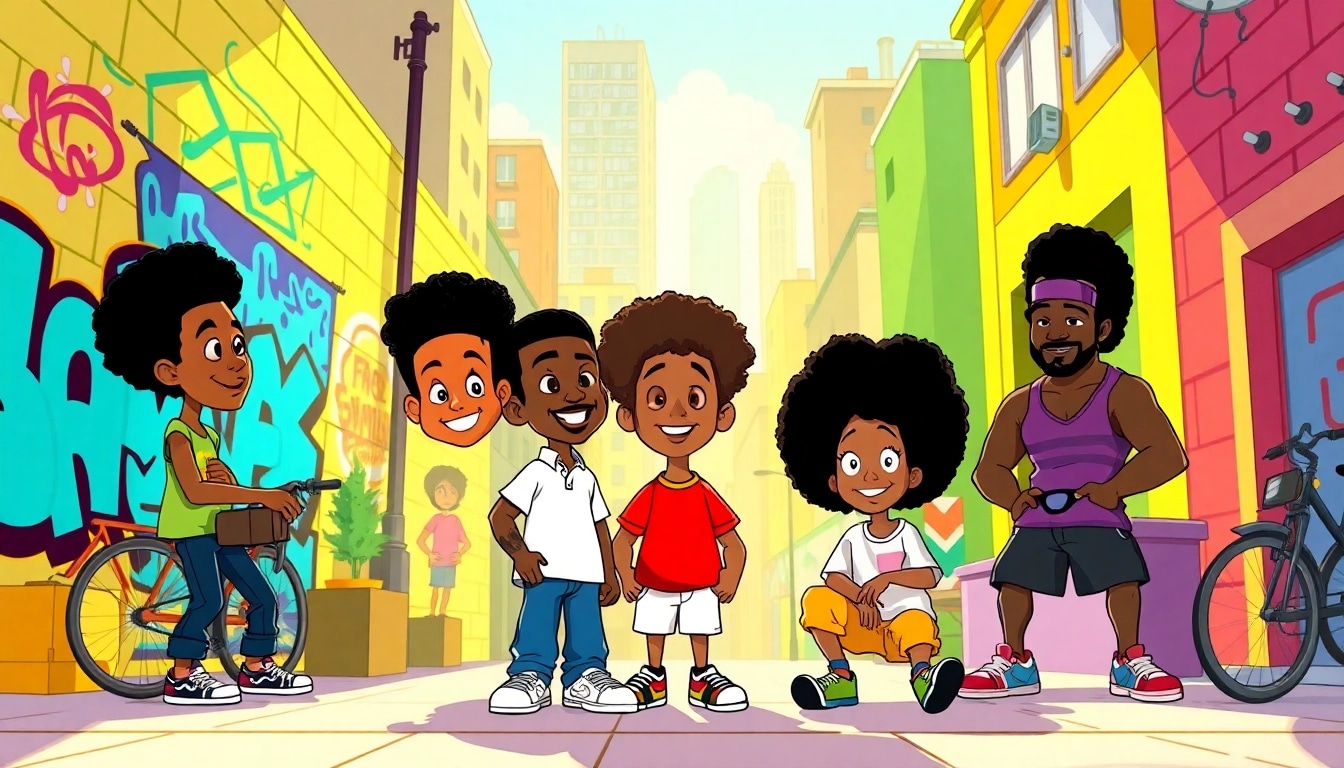
Introduction to African American Cartoons
African American cartoons have a vital role in the animation landscape, showcasing a rich tapestry of culture, identity, and storytelling that continues to evolve. From the groundbreaking works of the past to the fresh narratives emerging in 2026, these cartoons provide entertainment and serve as a mirror reflecting the diverse experiences of African Americans. As audiences increasingly seek content that resonates with their realities, the importance of representation in animation has never been more pronounced. For those looking to dive deeper into the world of African American Cartoons, this article explores their historical context, iconic series, cultural significance, challenges faced, and where to enjoy this vibrant genre.
Historical Context and Evolution
The journey of African American cartoons began in the 20th century, marked by a struggle against racial stereotypes and a quest for authenticity. Early representations often fell victim to caricatures, failing to capture the complexity of Black life. However, with the rise of independent animators and the push for more inclusive storytelling, the industry began to shift. Iconic shows like "Fat Albert and the Cosby Kids" in the 1970s provided a foundation, paving the way for future creators to build on. The 2000s heralded a new era with series such as "The Boondocks" and "The Proud Family," which not only entertained but also addressed serious societal issues.
Importance of Representation in Animation
Representation in animation is crucial, as it allows diverse narratives to be told, fostering understanding and empathy. For African American children, seeing characters who reflect their own experiences is empowering. It promotes a sense of belonging and encourages positive identity formation. Moreover, as parents seek content that aligns with their values, the demand for inclusive cartoons has spurred production companies to invest in diverse storytelling.
Popular Trends in 2026
As we navigate through 2026, the landscape of African American cartoons continues to evolve, with trends focusing on innovative storytelling techniques, diverse character arcs, and the integration of modern technology. Animated series are increasingly exploring themes related to mental health, generational trauma, and cultural pride, appealing to both younger audiences and adults. Furthermore, platforms for streaming are expanding their libraries to include more diverse content, making it accessible to a broader audience. This shift not only highlights the significance of African American voices in animation but also reflects a collective movement towards inclusivity.
Iconic African American Cartoons You Should Know
The Boondocks: A Cultural Phenomenon
"The Boondocks," created by Aaron McGruder, is often cited as a game-changer in the realm of African American animation. Premiering in 2005, it quickly gained acclaim for its sharp satire and social commentary on race relations in America. The series follows the lives of Huey and Riley Freeman, two brothers navigating life in a predominantly white suburban neighborhood. Its unique blend of humor and poignant storytelling has made it a cultural touchstone, influencing discussions on race and identity.
The Proud Family's Impact on Family Dynamics
Another iconic show, "The Proud Family" debuted in the early 2000s and has made a significant resurgence with its recent revival on Disney+. The series centers around Penny Proud, a teenage girl learning to balance her identity, friendships, and family expectations. "The Proud Family" has been praised for its authentic portrayal of African American family dynamics, addressing topics like culture, social justice, and self-acceptance, thereby resonating with audiences of all ages.
The Rise of New Characters in 2026
The emergence of new characters in 2026 highlights the industry's commitment to diversifying its narratives. Shows like "Craig of the Creek" and "Maggie Simpson" feature Black characters that contribute to the ongoing conversation about representation in children's media. These new characters not only entertain but also educate viewers about different cultural experiences, broadening the understanding of what it means to grow up African American today.
Understanding the Cultural Significance
Exploring Themes in African American Cartoons
At their core, African American cartoons delve into themes such as resilience, community, and social justice. Through storytelling, they explore the complexities of identity and the challenges faced by African Americans. Shows like "Doc McStuffins" not only entertain children but also teach important life lessons about empathy and care. By weaving these themes into entertaining narratives, animation becomes a powerful tool for building awareness and fostering conversations about critical social issues.
Influence on Youth and Identity
Cartoons featuring African American characters play a pivotal role in shaping the identity of young viewers. By presenting relatable characters and narratives, these shows help children understand their place in society, instilling pride in their heritage. The lessons learned from these cartoons can have lasting impacts, influencing how youth navigate their self-image and interact with peers from different backgrounds.
Building Community Through Storytelling
African American cartoons serve as a platform for community building, offering a space where shared experiences can be explored and celebrated. These animated stories allow viewers to connect with their culture while also engaging with others. The success of community-driven projects, such as "Motown Magic," illustrates how collective narratives can empower and inspire, showcasing the vibrant tapestry of African American culture.
Challenges Facing African American Animation
Industry Representation and Opportunities
Despite the progress made, African American animation still faces several challenges, particularly in terms of representation within the industry. While there are more black creators and executives than ever before, systemic barriers still exist. Greater advocacy for hiring practices that prioritize diversity can facilitate a richer storytelling landscape, enabling more authentic voices to contribute to animation.
Combatting Stereotypes in Cartoons
Another challenge is the ongoing battle against stereotypes in storytelling. Many shows still face scrutiny for perpetuating outdated or inaccurate portrayals of African Americans. Creators must navigate these sensitivities while striving for authenticity and depth in their characters. By critically evaluating narratives and embracing innovative storytelling, the animation community can work towards dismantling harmful stereotypes.
Future Prospects for Upcoming Animators
The future for aspiring African American animators looks promising. With organizations focusing on training and mentorship, emerging creators have access to resources that can help them break into the industry. Networking opportunities within festivals and industry events enable new voices to showcase their talents and gain visibility. As more individuals enter the field, the potential for diverse storytelling will only continue to grow, enriching the animation landscape.
Where to Find and Enjoy African American Cartoons
Streaming Platforms with Diverse Content
As interest in African American cartoons rises, numerous streaming platforms now feature dedicated sections for diverse content. Services like Netflix, Hulu, and Disney+ are expanding their libraries to include titles that celebrate African American culture, providing audiences with the opportunity to discover both classic and contemporary works.
Kids' Educational Shows and Their Impact
Educational cartoons are an essential facet of African American animation. Programs such as "Sesame Street" and "Bluey" incorporate diverse characters and storylines that encourage kids to embrace inclusivity. These shows not only entertain but also foster learning, helping children develop critical social skills and cultural awareness.
Recommended Viewing for All Ages
For anyone interested in exploring African American cartoons, a diverse list of recommended viewing is essential. Shows like "The Boondocks," "The Proud Family," and "Craig of the Creek" offer different perspectives on African American life, while films like "Soul" and "The Princess and the Frog" celebrate cultural heritage and creativity. This expansive array of content ensures that viewers of all ages can find narratives that resonate with them.