Overview of Florida Hurricane Damage
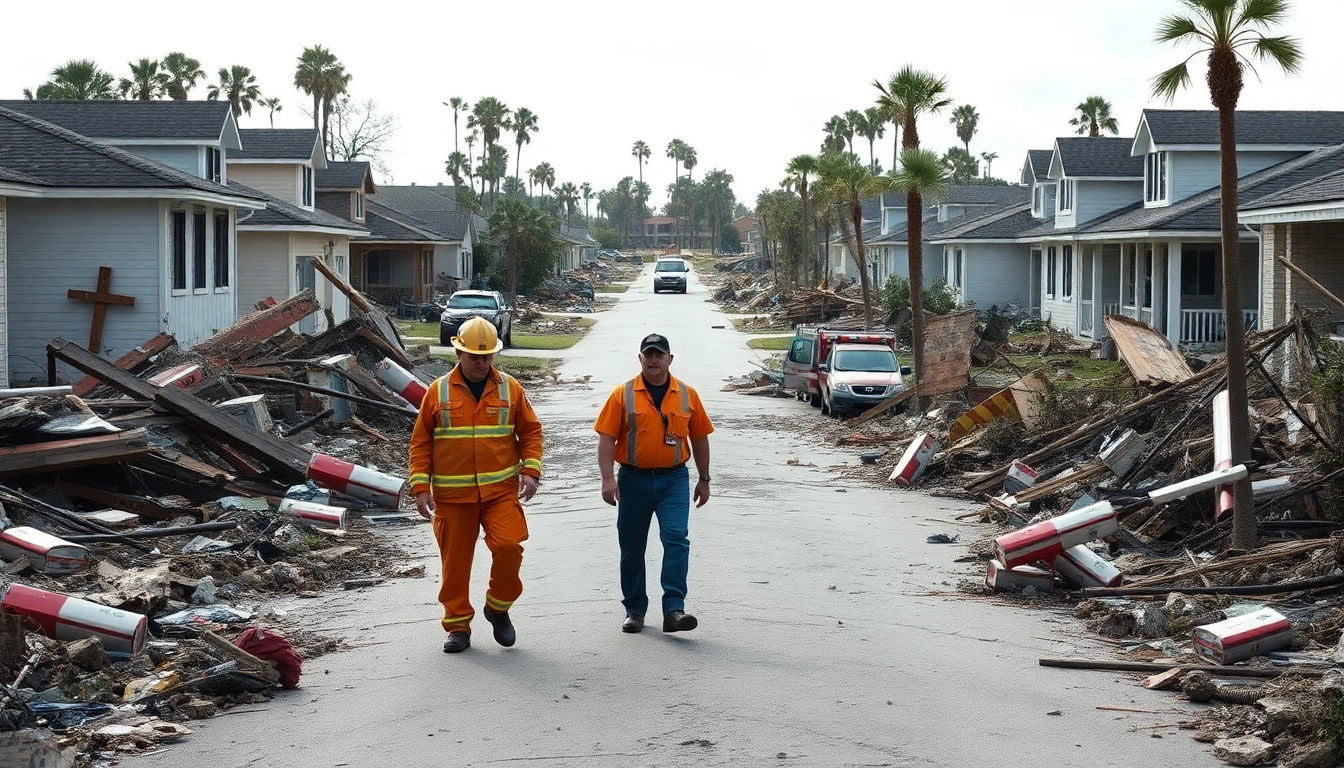
Florida is no stranger to hurricanes, which have become a significant concern for its residents and business owners. Tropical storms often sweep through the state, leaving destruction in their wake. The impact of Florida Hurricane Damage is felt not only in terms of property destruction but also through long-lasting effects on communities, economies, and the environment. Understanding the causes, the recent hurricanes that have hit the state, and the subsequent impacts is crucial for effective disaster preparedness and recovery.
What Causes Hurricane Damage in Florida?
Hurricanes are categorized based on their wind speeds and potential to cause damage. Florida's geographic location makes it particularly vulnerable to hurricanes and tropical storms originating from the Atlantic Ocean and Gulf of Mexico. The damage from these storms typically results from several factors:
- High Winds: Hurricanes can generate winds exceeding 157 mph. These winds can uproot trees, tear off roofs, and inflict severe damage on buildings.
- Storm Surge: A hurricane's storm surge is often the deadliest aspect, causing flooding by pushing seawater inland, submerging homes and businesses.
- Heavy Rainfall: Prolonged and intense rainfall can lead to flash floods and overflow rivers, contributing to extensive property damage.
- Tornadoes: Hurricanes can spawn tornadoes, which may add localized but devastating damage to affected areas.
Recent Hurricanes and Their Effects on Florida
Florida has endured a series of notable hurricanes in recent years, each leaving its mark:
- Hurricane Milton: This Category 3 hurricane struck Florida, causing extensive damage across many regions. The storm was characterized by strong winds and heavy rainfall, which resulted in over $100 billion in damages and significant impacts to agriculture in East Central Florida.
- Hurricane Helene: Responsible for widespread catastrophic damage across the southeastern U.S., Helene was a powerful hurricane that resulted in significant structural losses and fatalities in Florida.
Both storms emphasized the need for resilient infrastructure and improved emergency response protocols as communities grappled with immediate and long-term recovery.
Statistical Insights on Florida Hurricane Damage
The statistics surrounding hurricane damage in Florida are staggering. According to the Florida Office of Insurance Regulation, hurricanes consistently rank among the top causes of property loss.
- The average annual cost for hurricane damage in Florida can exceed $1 billion.
- Insurance claims made following hurricanes can number in the hundreds of thousands per storm, placing a strain on local and state economic resources.
- According to NOAA, between 1980 and 2020, Florida experienced approximately 37 hurricanes, leading to billions in losses and affecting millions of residents.
Assessing the Extent of Damage
Assessing the damage caused by hurricanes is a multi-faceted process involving numerous stakeholders, from local governments to independent contractors. This assessment is vital for prioritizing recovery efforts and securing funding.
Structural Damage Evaluations in Florida
Following a hurricane, structural evaluations help determine the safety of buildings and infrastructure. Engineers and inspectors typically conduct assessments based on:
- Structural Integrity: Assessing whether buildings or bridges remain standing and structurally sound.
- Foundation Evaluation: Ensuring that the building's foundation has not been compromised by flooding or erosion.
- Utility Assessments: Checking the state of electricity, water, and sewage systems to ensure they are operational and safe.
Economic Impact of Hurricane Damage on Local Communities
The economic repercussions of hurricane damage can be profound. In addition to the immediate repair costs, there are long-term impacts that can hinder a community's growth:
- Job Losses: Displaced workers in industries such as tourism, agriculture, and construction may face prolonged unemployment.
- Decline in Property Values: Real estate in areas severely impacted by hurricanes may see a significant drop in value, leading to decreased tax income for municipalities.
- Insurance Premium Increases: Residents may face higher insurance premiums, which can strain individual finances and make housing less affordable.
Environmental Consequences of Hurricanes
The environmental costs of hurricane damage are often overlooked but can be catastrophic:
- Habitat Destruction: Coastal and marine ecosystems can suffer from altered landscapes and increased pollution.
- Water Quality Issues: The influx of debris and contaminants can compromise local waterways.
- Soil Erosion: Strong winds and storm surges can lead to significant erosion, affecting agricultural productivity and land use.
Preparing for Future Hurricane Damage
Preparation is key to minimizing the effects of hurricanes on Florida’s communities. By anticipating storm impacts, residents and local governments can mitigate risks and improve safety.
Emergency Preparedness Plans for Residents
Having a comprehensive emergency preparedness plan can save lives and reduce property damage. Communities should focus on the following components:
- Evacuation Routes: Residents should be informed about clear and efficient evacuation routes ahead of any storms.
- Supply Kits: Families are advised to stock emergency kits that include food, water, medications, and first aid supplies.
- Communication Plans: Establishing reliable methods to stay in contact with family and community leaders can provide critical updates during a hurricane.
Building Codes and Their Impact on Damage Mitigation
Florida’s building codes have evolved to combat hurricane damage effectively. These codes focus on:
- Wind Resistance: New structures are mandated to withstand higher wind speeds.
- Elevation Standards: Homes built in flood zones must meet elevation requirements to reduce flood risks.
- Inspection Protocols: Comprehensive inspections must take place to ensure compliance with building standards.
Community Resources for Hurricane Preparedness
Local governments and organizations provide vital resources for hurricane preparedness, including:
- Workshops and Seminars: Community education initiatives help residents stay informed about hurricane risks and preparation.
- Emergency Shelter Information: Details regarding local emergency shelters are made available before storms.
- Disaster Recovery Plans: Local governments develop comprehensive recovery plans that detail the steps to be taken after a disaster.
Recovery Strategies After Florida Hurricane Damage
The recovery process following a hurricane can be daunting, yet having a solid strategy makes it manageable.
Insurance Claims and Documentation
Filing insurance claims is a critical step for homeowners dealing with hurricane damage. The process includes:
- Documentation: Collecting photos, receipts, and records of damaged items.
- Timeframes: Understanding deadlines for filing claims to avoid losing coverage.
- Working with Adjusters: Collaborating with insurance adjusters can help ensure claims are processed efficiently.
Restoration Steps for Affected Homes
The restoration process can take time and requires careful planning:
- Assessment of Damage: Professional assessments help determine the extent of structural damage and necessary repairs.
- Hiring Contractors: Engage with experienced contractors who are familiar with hurricane damage restoration.
- Long-Term Repairs: Prioritize repairs that will mitigate future hurricane damage, including retrofitting homes for strength.
Role of Government in Disaster Recovery
The government plays a vital role in recovery through:
- Federal Assistance Programs: Programs such as FEMA provide financial aid and resources to individuals and communities.
- Infrastructure Repair Funding: State and federal funds can be mobilized to rebuild critical infrastructure.
- Policy Development: Crafting policies that enhance community resilience against future hurricanes.
Long-term Implications of Florida Hurricane Damage
As Florida continues to face hurricane threats, understanding long-term implications is crucial for future preparedness and risk management.
Impact on Real Estate Markets and Housing
The real estate market in hurricane-prone areas is influenced by storm history and perceived future risk:
- Buying Trends: Areas frequently affected by hurricanes may see decreased demand as potential buyers weigh risks.
- Insurance Accessibility: Insurance companies may become more selective in coverage offerings, impacting housing affordability.
Lessons Learned from Past Hurricanes
Each hurricane provides valuable lessons. Challenges faced in the aftermath help guide future preparations, including:
- Improved Infrastructure: Investing in stronger infrastructure can significantly reduce future damage.
- Community Resilience Programs: Strengthening community ties aids recovery and improves long-term outcomes.
- Education and Awareness: Ongoing education regarding hurricane preparedness ensures residents are better prepared.
Future Predictions for Hurricane Frequency and Severity
As climate change continues to evolve, scientists predict changes in hurricane patterns:
- Increasing Intensity: Storms may become stronger due to warmer ocean temperatures.
- Changing Paths: Hurricanes may follow different trajectories, impacting regions previously seen as less vulnerable.
- Long-term Planning Needs: Local and state governments will need to adapt their emergency plans in response to changing storm dynamics.
In conclusion, understanding the complexities of Florida Hurricane Damage involves navigating the immediate and long-term effects of severe weather events. By focusing on preparedness, recovery, and resilience, residents and communities can better equip themselves to handle the challenges posed by future hurricanes.