

What is Drayage?
Definition of Drayage
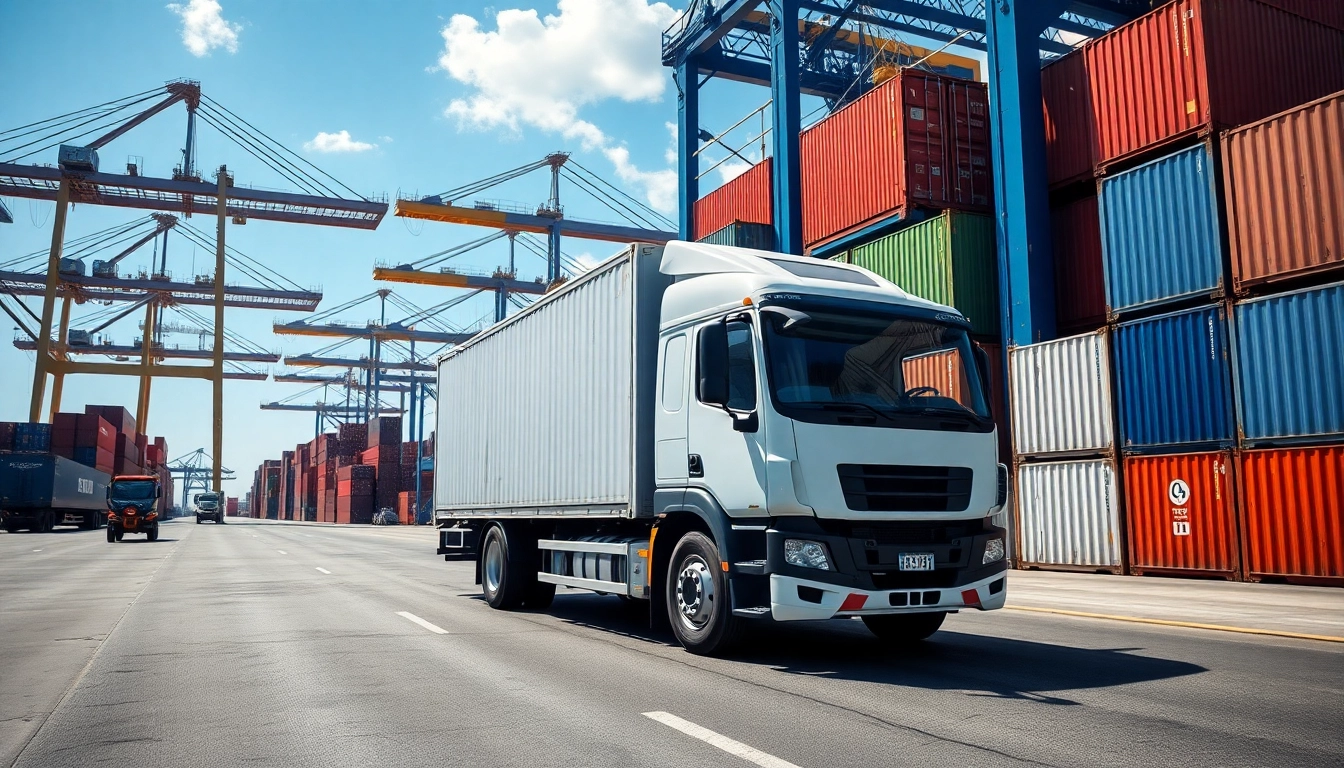
Drayage refers to the transportation of shipping containers by truck to their final destination over short distances. This logistics activity commonly occurs at ports or intermodal terminals and typically involves moving cargo from a vessel to a rail yard, warehouse, or distribution center. As a critical link in the supply chain, drayage plays an essential role in facilitating international trade and domestic distribution. For many businesses, understanding the nuances of drayage is vital for optimizing their logistics operations.
Importance in the Supply Chain
Drayage is critical for several reasons: it connects different modes of transportation (e.g., from ship to truck), facilitates timely deliveries, and minimizes congestion at ports and terminals. Properly managed drayage operations can reduce lead times, enhance visibility in the supply chain, and ultimately improve customer satisfaction. Moreover, as e-commerce continues to rise, the demand for efficient drayage solutions has grown, emphasizing its importance in modern logistics.
Common Drayage Routes
Drayage typically occurs along several common routes, including:
- Port to Warehouse: Transportation of containers from shipping ports directly to warehouses for storage or processing.
- Warehouse to Rail Yard: Moving cargo from warehouses to intermodal rail yards for further distribution.
- Rail Yard to Final Destination: The final leg in the cargo journey, transporting goods from rail facilities to customer locations or retail stores.
The Role of Drayage in Freight Logistics
Connection Between Land and Sea
Drayage serves as the pivotal connection between maritime and land transportation. When freight arrives via cargo ships, drayage allows for the swift transfer of goods to trucks that can further distribute the cargo to inland destinations. This process not only minimizes the time containers spend at ports but also aids in managing port congestion, an ongoing challenge in global trade.
Challenges in Drayage Operations
Despite its importance, drayage operations face various challenges, including:
- Regulatory Compliance: Navigating the complex web of local regulations can be cumbersome.
- Traffic Congestion: Urban areas often experience high levels of traffic, affecting delivery times.
- Container Availability: The proper management of container resources is essential to ensure timely drayage.
Addressing these challenges requires strategic planning, technology adoption, and a strong partnership between all parties involved in logistics.
Drayage vs. Traditional Freight Transport
Drayage differs from traditional freight transport in several key ways. While traditional freight transport can handle shipments over longer distances using various modes, drayage specifically focuses on short-distance movements to facilitate the transition of goods between modes of transport. Understanding these distinctions helps businesses leverage the unique advantages of drayage in their operations.
Best Practices for Drayage Transportation
Efficient Scheduling and Routing
Effective scheduling and routing are vital for optimizing drayage operations. Companies can use route optimization software to identify the most efficient paths for their trucks, thereby minimizing fuel consumption and reducing costs. Additionally, flexible scheduling can adapt to changes in cargo loads and delivery windows, ensuring timely service.
Compliance with Regulations
Compliance with local and federal regulations is critical to ensure seamless drayage operations. This includes maintaining the necessary certifications, adhering to local laws regarding weight limits, and keeping up with environmental regulations. Regular training and updates for drivers and logistics personnel can help mitigate risks associated with non-compliance.
Technology in Drayage Management
Leveraging technology enhances the visibility and efficiency of drayage operations. Tools such as transport management systems (TMS), real-time tracking, and data analytics can provide businesses with valuable insights into their transportation activities. These technologies can help automate processes, streamline communication, and improve overall service delivery.
Measuring Drayage Performance
Key Performance Indicators (KPIs)
To gauge the effectiveness of drayage operations, businesses should monitor Key Performance Indicators (KPIs) such as:
- Turnaround Time: The time taken from receiving a drayage order to delivering the cargo to its destination.
- Cost per Shipment: Assessing the costs associated with each drayage operation.
- On-Time Delivery Rate: Tracking the percentage of shipments delivered on or before the scheduled time.
Monitoring these KPIs helps companies identify areas for improvement and optimize their operations over time.
Cost Analysis for Drayage Services
Performing a cost analysis is essential for determining the financial viability of drayage operations. Businesses should consider various expenses, including fuel, labor, maintenance, and administrative costs. By analyzing these components, companies can create budgets, negotiate better rates with providers, and implement cost-saving measures where possible.
Improving Delivery Timeliness
Timeliness in delivery is a crucial factor affecting customer satisfaction and operational efficiency. To improve delivery timeliness, businesses should invest in route optimization tools, establish strong relationships with local dispatchers, and maintain open lines of communication with drivers. Additionally, proactive planning for peak periods and managing unexpected delays can further enhance service levels.
Future of Drayage in the Transportation Industry
Sustainability Trends
As environmental concerns continue to gain prominence, sustainability trends are becoming increasingly relevant within the drayage sector. Companies are exploring greener alternatives, such as electric or hybrid trucks, to minimize their carbon footprint. Additionally, implementing more efficient logistics strategies can contribute to reduced waste and energy consumption.
Impact of e-Commerce on Drayage Services
The rise of e-commerce has significantly influenced drayage practices. With the growing demand for quicker deliveries, drayage providers are adapting their operations to meet the needs of businesses and consumers alike. This shift calls for faster turnaround times and increased flexibility, pushing the industry to innovate in response to these demands.
Emerging Technologies in Drayage
Emerging technologies are set to reshape the drayage landscape, with advancements like automated vehicles, advanced fleet management software, and blockchain technology. These innovations promise to enhance efficiency, transparency, and accountability in drayage operations. Staying informed about and adopting these technologies will be essential for companies seeking to remain competitive in this fast-evolving trade environment.