
Understanding Cape Cod Home Addition
What Constitutes a Cape Cod Home Addition?
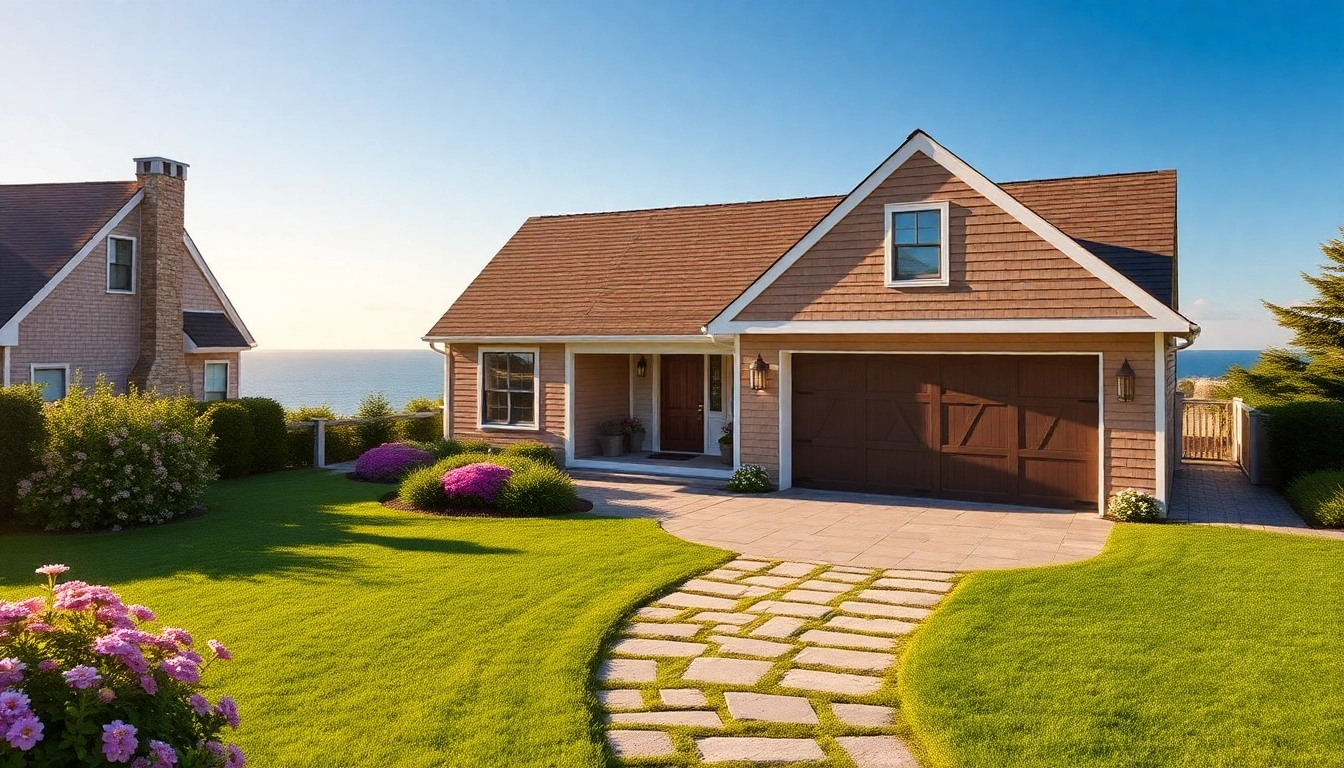
A Cape Cod home addition typically refers to the expansion of an existing Cape Cod-style house, characterized by its steep rooflines, symmetrical design, and dormer windows. When considering a cape cod home addition, homeowners might opt to add new rooms, an attached garage, or even enhance outdoor spaces like decks or patios. This type of addition should echo the quintessential New England style while ensuring a seamless integration with the existing structure.
Benefits of a Cape Cod Home Addition
Choosing to expand your Cape Cod home can provide numerous advantages. First and foremost, it increases your living space, accommodating growing families or changing lifestyles. Additional square footage can enhance functionality; for example, adding a master suite, office, or playroom can significantly improve everyday comfort and convenience.
Moreover, a well-planned addition can elevate your home’s market value. Potential buyers are often attracted to homes that offer ample space and modern amenities. Finally, a cape cod home addition allows for personalization, letting you tailor the design and features to your tastes while maintaining the classic charm of the original home.
Key Design Elements to Consider
When planning your Cape Cod home addition, it’s crucial to maintain architectural harmony with the existing structure. Key design elements include:
- Roof Design: Opt for steeply pitched roofs similar to the original home.
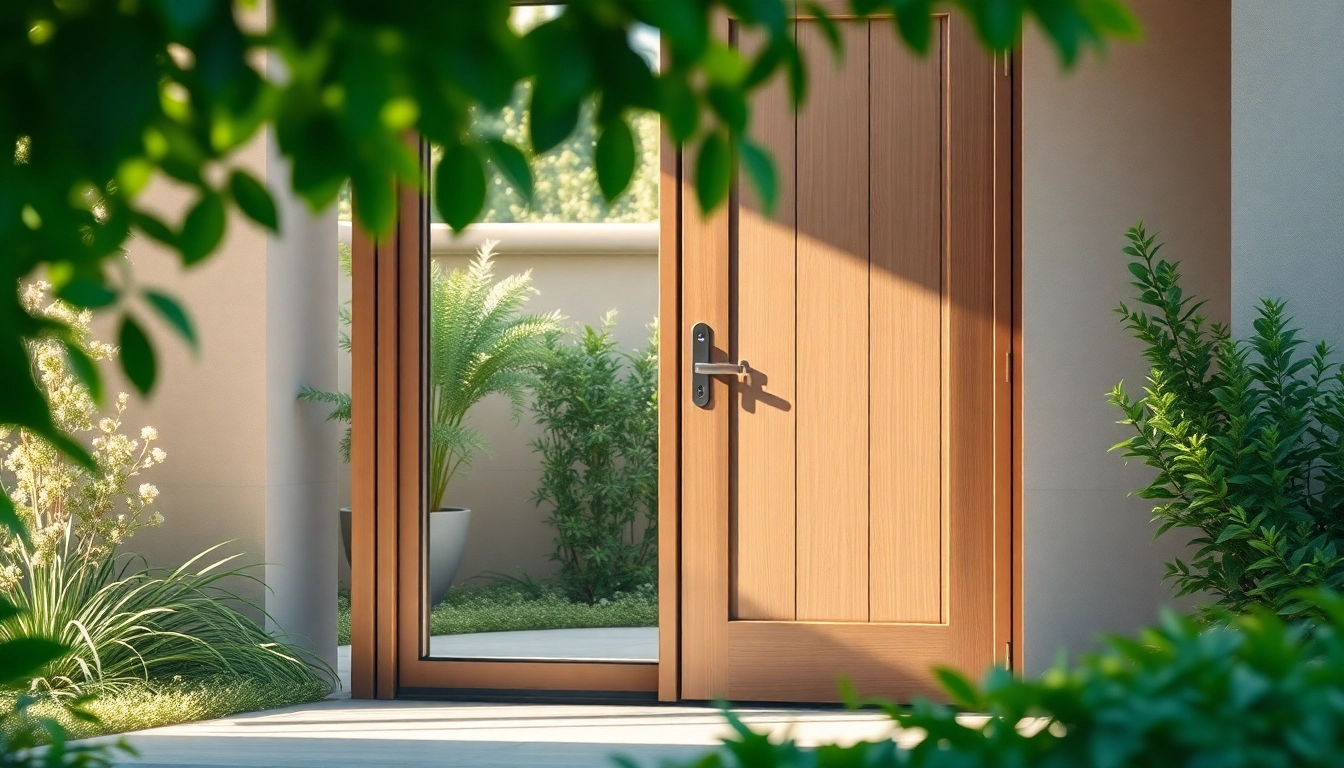
- Windows and Doors: Use double-hung windows and wooden doors to reflect the traditional style.
- Exterior Materials: Consider clapboard siding or shingles to create a cohesive look.
- Color Palette: Incorporate neutral, muted colors synonymous with Cape Cod aesthetics.
Incorporating these elements will ensure that your addition is visually appealing and coherent with the original structure.
Designing Your Cape Cod Home Addition
Choosing the Right Architectural Style
While the Cape Cod style is defined by its simplicity and functionality, adaptations can be made to meet modern needs. Explore architectural styles like Traditional Cape Cod, Modern Cape Cod, or even Craftsman styles, ensuring any change stays true to the essence of the original design. An architect familiar with Cape Cod homes can offer guidance in selecting the most appropriate style.
Maximizing Space and Functionality
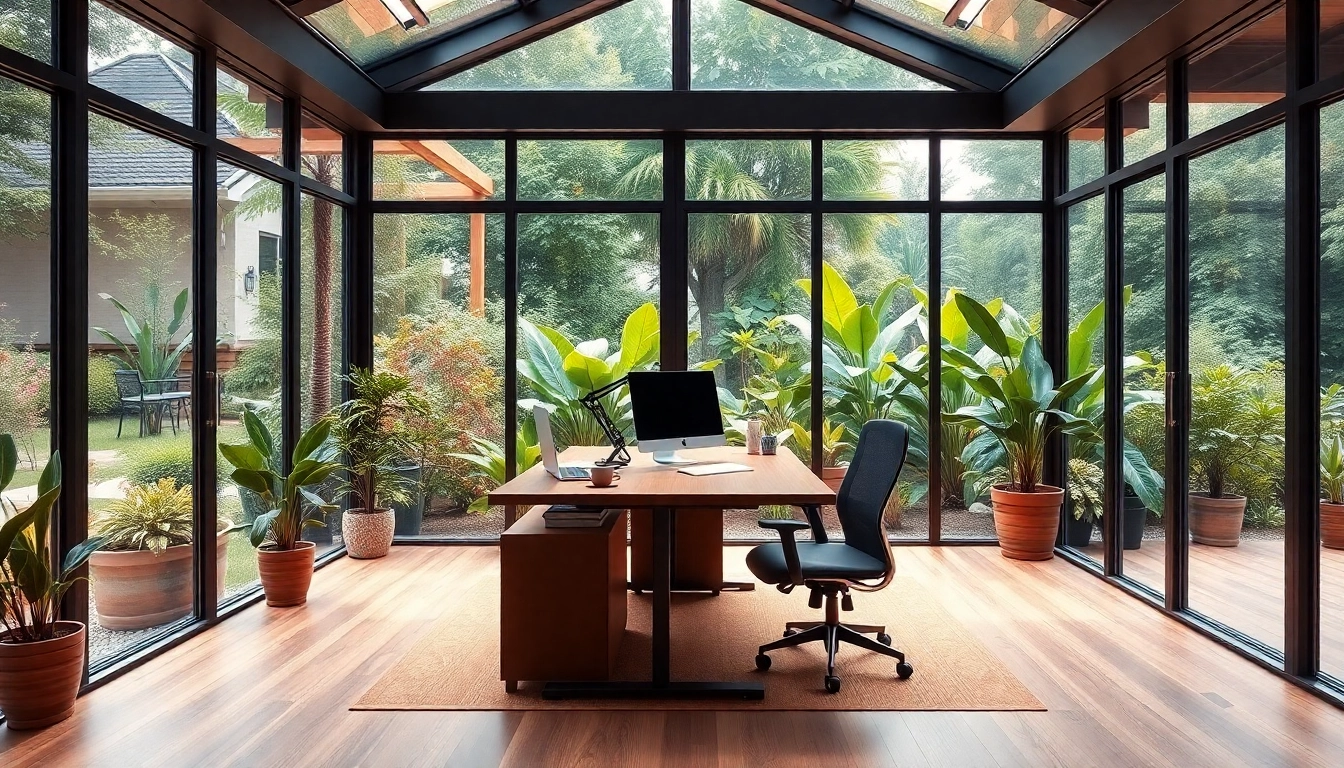
In most cases, space optimization is key to ensuring your home addition provides the necessary benefit. Consider using high ceilings, built-in storage, and open layouts that allow for flexibility in furnishings and use. Connecting indoor and outdoor spaces through expansive windows or sliding glass doors can also create an illusion of larger living space while enhancing natural light.
Integrating with Existing Structures
Seamless integration is essential for any successful addition. Pay careful attention to align rooflines and match the foundation or eaves of your existing home. Consider how landscaping can also provide a transitional space that connects new and old structures, such as pathways or garden features that lead naturally into the addition.
Budgeting for Your Cape Cod Home Addition
Estimating Costs for Your Project
Budgeting for a home addition can be complex; however, an accurate estimate will set the foundation for a successful project. The costs typically range from $100 to $300 per square foot, depending on design choices, materials, and location. For example, a simple room addition may fall on the lower end of that range, while a custom-designed space with premium finishes may be at the higher end.
Financing Options Available
To finance a Cape Cod home addition, homeowners can consider several avenues, including personal loans, home equity loans, or refinancing existing mortgages. Consulting with a financial advisor can help determine the best option suited to your financial situation and long-term goals.
Tips for Staying On Budget
Staying within budget requires proactive planning and communication. Here are some essential tips:
- Establish a clear budget before starting the project.
- Choose cost-effective materials without compromising quality.
- Work with experienced contractors who provide transparent estimates.
- Anticipate potential additional costs, such as permits and inspections.
Common Challenges in Cape Cod Home Additions
Dealing with Zoning and Permits
Before proceeding with your home addition, it’s important to understand local zoning laws and building regulations. Permit requirements can vary significantly, and navigating these can be a daunting task. Collaborating with a knowledgeable architect or contractor familiar with local codes can ensure adherence and save time.
Managing Construction Disruptions
During construction, your home life will undergo temporary disruptions. It’s necessary to communicate openly with your contractor about timelines, work schedules, and what to expect. Creating a make-shift space for your family can help ease the transition during this period of change.
Ensuring Design Consistency
When expanding your home, maintaining design consistency is crucial. Ensure you work closely with your architect to achieve a harmonious look throughout—the addition should feel like a natural extension of the existing home. Consider how materials, windows, and rooflines are employed, as this will create a unified aesthetic.
FAQs on Cape Cod Home Addition
What are the typical costs involved in a Cape Cod home addition?
The costs can vary widely based on design, materials, and location, but typically range from $100 to $300 per square foot.
How long does a Cape Cod home addition project usually take?
Most additions take between 3 to 6 months, depending on the complexity and size of the project.
Can a Cape Cod home addition add value to my property?
Yes, well-planned additions can significantly increase your home’s resale value, enhancing both functionality and aesthetics.
What considerations should I keep in mind for an eco-friendly addition?
Focus on sustainable materials, energy-efficient designs, and proper insulation to maximize efficiency and reduce environmental impact.
Do I need an architect for my Cape Cod home addition?
While not mandatory, hiring an architect can greatly benefit the design process and ensure compliance with local building codes.