
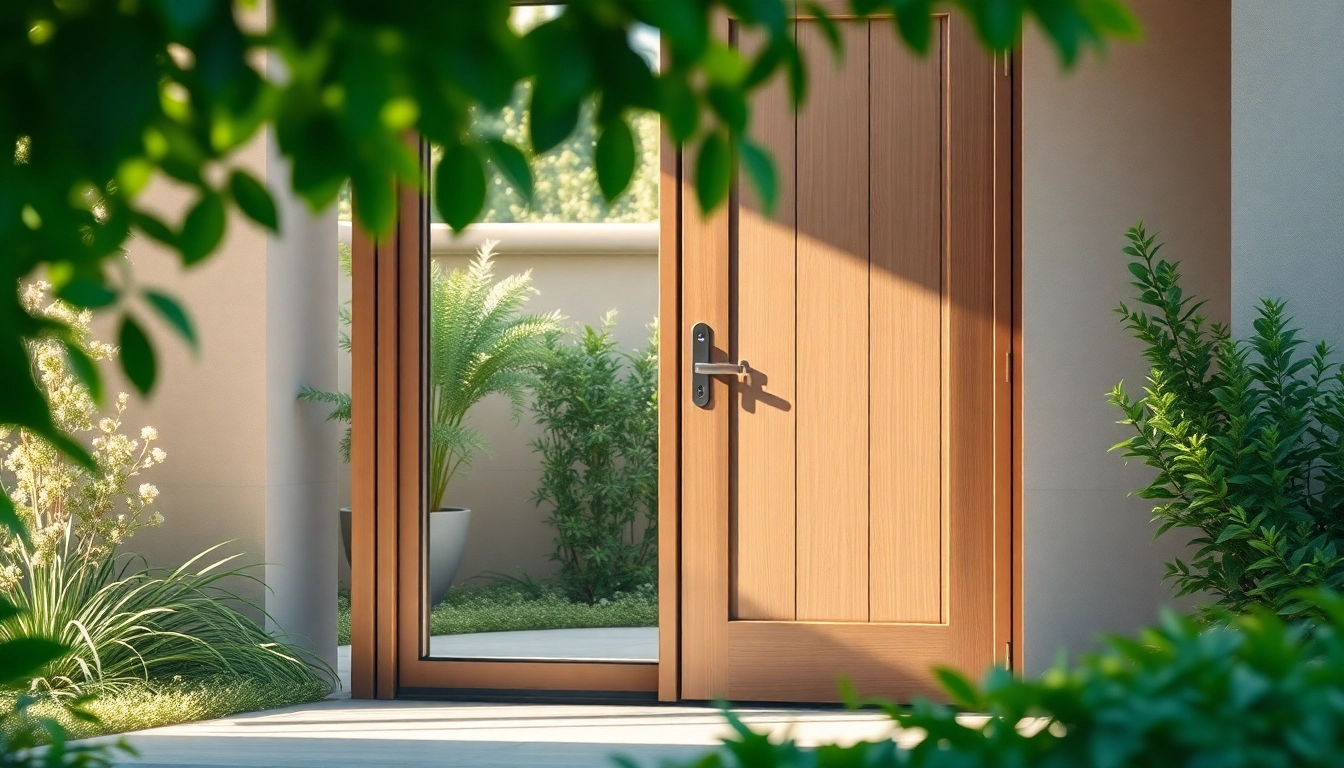
Introduction to Single Leaf Swing Door
A single leaf swing door is a door constructed to pivot on hinges, allowing for effortless entry and exit from a space while maintaining an element of style and functionality. These doors are often characterized by their single panel—meaning they open from one side only—providing an unencumbered pathway. Ideal for a variety of applications, the single leaf swing door not only facilitates movement but can also enhance the aesthetic appeal of a corridor or an entryway. To explore various styles and options available for your space, consider checking out options for a single leaf swing door.
Definition and Features
A single leaf swing door typically consists of a single panel mounted to a door frame by hinges. This door design allows the panel to swing open in one direction. Several features often distinguish these doors:
- Material: Made from glass, wood, metal, or composite materials, each offering unique features and benefits.
- Size: Can be customized in width and height to suit various architectural requirements.
- Hardware: Fitted with specific hinges, handles, and locking mechanisms tailored to enhance usability and security.
- Functionality: Swing doors can be automated for easy accessibility in commercial spaces or designed manually for residential use.
Benefits of Using Single Leaf Swing Door
The single leaf swing door provides numerous advantages that can attract both residential and commercial applications:
- Space Efficiency: Takes up minimal space when opened, making it perfect for narrow hallways or entry points.
- Accessibility: Offers easy access suited for both foot traffic and wheeled items such as carts or strollers.
- Aesthetic Versatility: Available in various materials and finishes, allowing seamless integration into any design style.
- Cost-Effective: Generally more affordable to install compared to complex automated or sliding door systems.
Common Uses in Architecture
Single leaf swing doors can be found across an array of architectural settings:
- Residential Homes: Commonly used as kitchen or pantry doors, providing functionality while blending with the home’s décor.
- Commercial Spaces: Suitable for retail stores, offices, and restaurants, where they manage the flow of visitors efficiently.
- Institutional Buildings: Often used in schools and hospitals where frequent movement is essential.
- Outdoor and Indoor Transitions: These doors facilitate smooth transitions from patios to interior spaces or between rooms within a home.
Design Options for Single Leaf Swing Door
The design of a single leaf swing door is not just functional, it can also be a distinctive part of your space’s aesthetic. Below, we’ll explore material choices, styles, and the potential for customization.
Material Choices
The versatility of single leaf swing doors is largely defined by the material used in their construction:
- Wood: Offers a classic and warm appearance, ideal for traditional aesthetics, and can be stained or painted.
- Metal: Provides a modern, sleek look with enhanced durability; popular in commercial settings.
- Glass: Allows for natural light to flow between spaces, often used in office settings or as patio doors.
- Composite: Combines different materials to offer cost-effective and sustainable solutions with varied appearances.
Aesthetic Styles and Trends
As design trends evolve, single leaf swing doors have adapted to reflect contemporary tastes:
- Minimalist: Simple lines and neutral colors dominate this style, focusing on functionality.
- Rustic: Incorporating distressed finishes and natural wood grains for a homey feel.
- Industrial: Features metal frames and raw materials, perfect for loft or modern-style spaces.
- Transitional: A blend of traditional and contemporary elements to create a balanced design.
Customization and Personalization
One of the greatest advantages of single leaf swing doors is their ability to be customized:
- Colors and Finishes: Custom painting and staining options ensure the door matches your existing décor.
- Sizing: Tailor the height and width to fit unique openings or design concepts.
- Additional Features: Including frosted or etched glass designs for privacy while maintaining light flow.
- Hardware Options: Choose handles, locks, and hinges that complement the overall look.
Installation Guide for Single Leaf Swing Door
Installing a single leaf swing door can be a satisfying DIY project, but it requires careful planning and execution to ensure it functions properly. Here’s a comprehensive guide.
Tools Required
Before beginning the installation process, gather the necessary tools:
- Measuring tape
- Level
- Drill and drill bits
- Screwdriver
- Hammer
- Chisel
- Hinges
Step-by-Step Installation Process
- Measure the Door Frame: Accurate measurements are crucial for the proper fitting of your swing door.
- Select the Right Door: Choose a door that fits within the measurements of the door frame.
- Attach the Hinges: Position the hinges on the side of the door where you want it to swing.
- Establish the Hinge Placement: Mark where to drill into the door frame for the hinges on the wall.
- Drill Holes: Use your drill to create holes for the hinges and secure them into place.
- Finalize Handle and Lock Installation: Ensure the handle and lock are both installed for secure operation.
- Test the Door: After installation, swing the door several times to ensure smooth operation.
Common Installation Mistakes
Mistakes during installation can lead to lasting issues:
- Incorrect Measurements: Always double-check measurements before cutting or buying a door.
- Poor Hinge Placement: Ensure hinges are installed at the same height on both the door and frame for stability.
- Neglecting Leveling: Failing to level the door can result in difficult operation and gaps at the top or bottom.
Maintenance Tips for Single Leaf Swing Door
Maintaining a single leaf swing door is essential for longevity and seamless operation. Here are some tips to help you keep it in excellent condition.
Routine Care and Cleaning
Regular maintenance will prolong the life of any swing door. Here are some practices:
- Regular Cleaning: Wipe down the door surface with a soft cloth and appropriate cleaner, depending on the material.
- Hardware Inspection: Periodically check screws and hinges to ensure they’re not loose and re-tighten as necessary.
- Lubrication: Apply lubricant to hinges and locks every few months to prevent sticking.
Troubleshooting Common Issues
Address these common problems promptly:
- Door Sticking: Check for and remove any debris or obstructions in the doorway.
- Misaligned Hinges: Adjust or reattach hinges if the door isn’t swinging properly.
- Squeaky Sounds: The hinges may require lubrication or the use of a silicone spray to silence them.
When to Call a Professional
While many maintenance tasks can be handled by homeowners, certain scenarios require professional assistance:
- Serious Structural Damage: If the door or frame shows significant damage, seek expert evaluation.
- Complex Malfunctions: Issues with locking mechanisms or automated doors should be examined by a qualified technician.
Frequently Asked Questions about Single Leaf Swing Door
What is the average cost of a single leaf swing door?
The cost can vary widely depending on material, size, and customization, typically ranging from $200 to $1,500.
Are single leaf swing doors suitable for outdoor use?
Yes, provided you choose weather-resistant materials like fiberglass, steel, or treated wood.
What types of materials are best for single leaf swing doors?
Wood for aesthetics, metal for durability, and glass for light are popular choices among homeowners.
How can I ensure the door is energy efficient?
Opt for insulated materials, seal gaps properly, and use energy-efficient weather stripping to improve efficiency.
Can I install a single leaf swing door myself?
Yes, with the right tools and knowledge, it’s a manageably straightforward DIY project, although professional help is advisable for large or complex installations.